+86 15633683072
If you work in chemical, pharmaceutical, or lithium battery manufacturing, you have probably seen the challenge of cleaning reusable IBC totes that have held aggressive materials like LiPF₆, electrolytes, or corrosive acids. Manual cleaning is slow, inconsistent, and dangerous. This is where an IBC tote cleaning system becomes essential.
An IBC tote cleaning system is an automated machine designed to wash, rinse, and dry the interior and exterior of intermediate bulk containers (typically 275–330 gallons) without requiring workers to enter the tote. Modern systems use robotic arms, high‑pressure nozzles, and closed‑loop chemical recirculation to remove crystallized residues, viscous oils, or dried‑on chemicals. But not all systems are equal. For hazardous applications such as LiPF₆ electrolyte, a standard IBC washing machine will quickly fail due to corrosion. That is why Kehui has developed a purpose‑built IBC tote cleaning system that integrates corrosion‑resistant materials, automated tank cleaning logic, and full safety interlocks.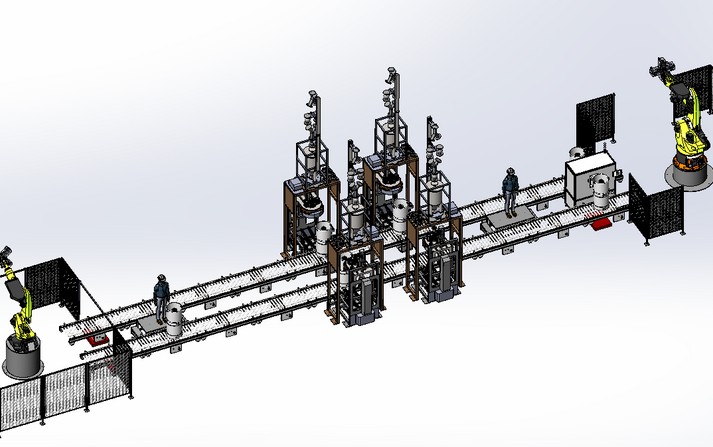
A typical IBC tote cleaning system follows a six‑stage automated cycle:
Container positioning – The tote is placed on a turntable or fixed station. Sensors detect its size and orientation.
Pre‑rinse – Low‑pressure water or solvent removes loose debris.
Recirculated wash – Heated detergent or solvent is sprayed through a rotating nozzle (or robotic lance) at pressures from 5 to 500 bar. The liquid is filtered and reused.
Intermediate rinse – Fresh water or solvent flushes away remaining chemicals.
Final rinse – Deionized water ensures no residue remains.
Drying – Heated air or nitrogen blows over all surfaces.
For electrolyte‑contaminated totes, the IBC tote cleaning system includes a solvent pre‑wash (DMC or EMC) and a nitrogen drying stage with dew point below -40°C. This prevents the formation of hydrofluoric acid. As part of automated tank cleaning, the system can also clean stainless steel process tanks, mixing vessels, and reactors by using a longer lance or robotic arm that enters through a manway.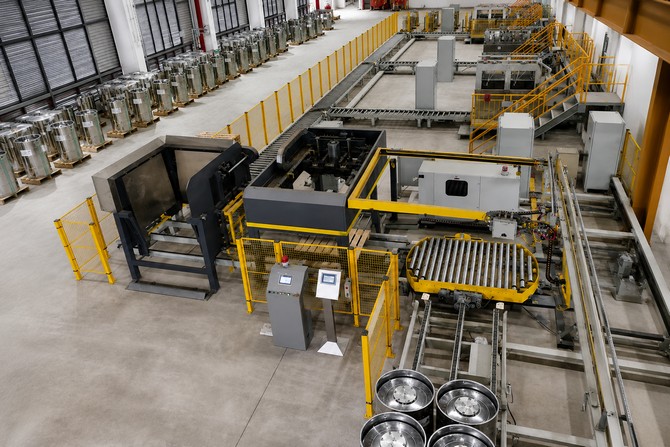
Automated tank cleaning offers several advantages over manual lancing or spray balls:
Consistency – A pre‑programmed cycle delivers the same result every time.
Safety – No confined space entry; operators work from a remote HMI.
Efficiency – Cleaning time drops from 20–30 minutes per tote to 2–6 minutes.
Lower cost – Less detergent, less water, and fewer labor hours.
Many plants start with a basic IBC washing machine but soon discover that fixed spray heads cannot reach corners, chimes, or bottom sumps. An advanced IBC tote cleaning system uses either a 360° rotating jet head or a robotic manipulator that follows a 3D path inside the container. For automated tank cleaning of large vessels, the robot is mounted on a telescopic mast.
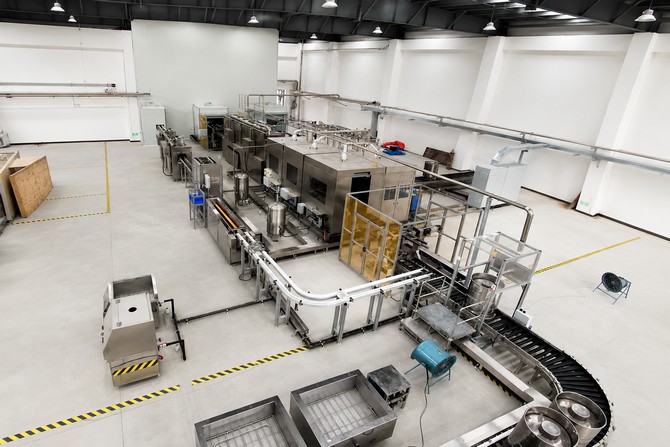
A complete IBC washing machine consists of:
Wash enclosure – Sealed polypropylene or stainless steel with safety interlock doors.
Spray system – Rotating nozzle (180°–360°) or robotic arm with high‑pressure nozzle.
Pump unit – 5–500 bar, VFD‑controlled, PTFE or Hastelloy wetted parts.
Chemical dosing tanks – For alkaline, acid, and solvent cleaning agents.
Filtration skid – Bag filters (25–100 µm) to remove solid particles.
Drying module – Heated air or nitrogen blower with dew point monitor.
Control panel – PLC with touchscreen HMI, recipe storage, and data logging.
For container cleaning equipment to handle LiPF₆ residues, all fluid‑contact surfaces must be PTFE‑lined or made from PVDF/Hastelloy. Ordinary stainless steel will pit within months. This is why Kehui’s container cleaning equipment uses only corrosion‑resistant alloys and seals.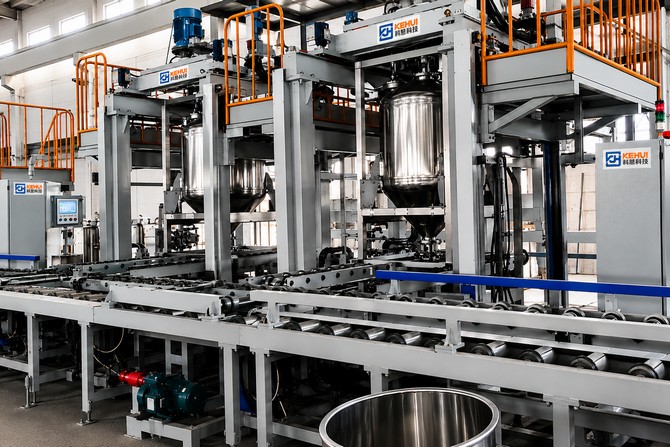
Industrial IBC cleaning is required in many sectors:
Lithium battery materials – LiPF₆, electrolyte, lithium salts.
Specialty chemicals – Acids, alkalis, isocyanates, monomers.
Food and beverage – Syrups, oils, concentrates.
Pharmaceuticals – Active ingredients, solvents, intermediates.
A dedicated industrial IBC cleaning system can process hundreds of totes per week, with automated changeover between different container types. The best industrial IBC cleaning systems also include a solvent recovery still that distills used cleaning fluid, reducing waste disposal costs by 70%.
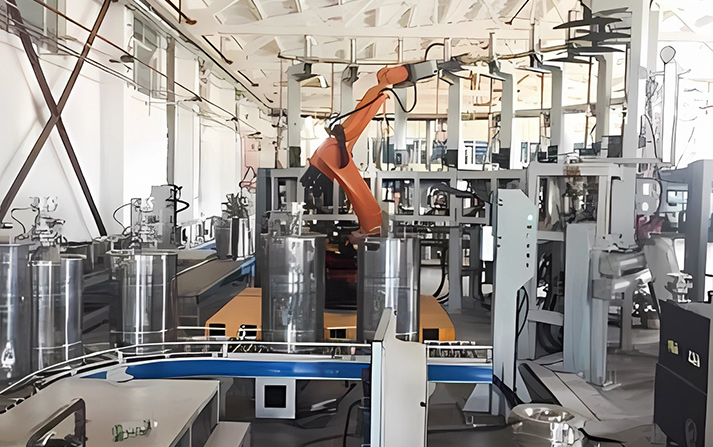
A full container washing system goes beyond a single IBC cleaner. It may include:
Conveyor loading – Rollers or chain drive for continuous operation.
Pre‑inspection station – Barcode reader and visual check.
Multiple wash bays – One robot services several positions.
Drying tunnel – For high‑speed inline drying.
Clean‑room discharge – HEPA‑filtered air and UV sanitation.
Kehui has supplied complete container washing system lines to battery material producers, integrating with their existing automated tank cleaning infrastructure. For example, at Do‑Fluoride, the IBC tote cleaning system is linked to a solvent recirculation loop that reduces DMC consumption by 54%.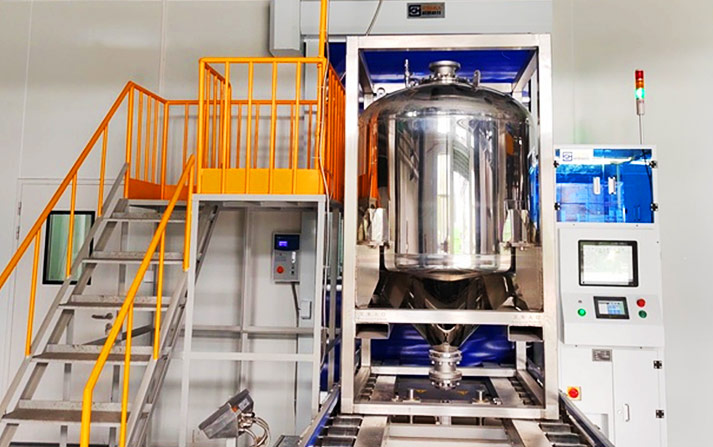
Kehui’s IBC tote cleaning system stands out because of its automated tank cleaning capability using a robotic arm. Unlike fixed spray‑ball systems, our IBC washing machine adapts to deformed drums and reaches every internal crevice. All wetted parts are PTFE‑lined or Hastelloy C276. The container cleaning equipment includes real‑time pressure feedback, dew point monitoring, and full data export. For industrial IBC cleaning at high volume, we offer multi‑station configurations with a single gantry robot. Our container washing system can be delivered as a mobile skid or a permanent clean‑in‑place (CIP) installation.
An IBC tote cleaning system is not a luxury—it is a necessity for any facility handling hazardous or sensitive chemicals. Whether you need a standalone IBC washing machine or a fully integrated automated tank cleaning solution, Kehui has the experience and technology to deliver. From industrial IBC cleaning of LiPF₆ drums to container cleaning equipment for pharmaceutical totes, our systems provide safety, repeatability, and rapid ROI.
Contact Kehui today to request a free technical consultation or a demo of our container washing system tailored to your residues and throughput requirements.
Zhengzhou Kehui Technology Co., Ltd
Email: info@zzkehui.com





 Chinese
 English
 OA
OA Current location:
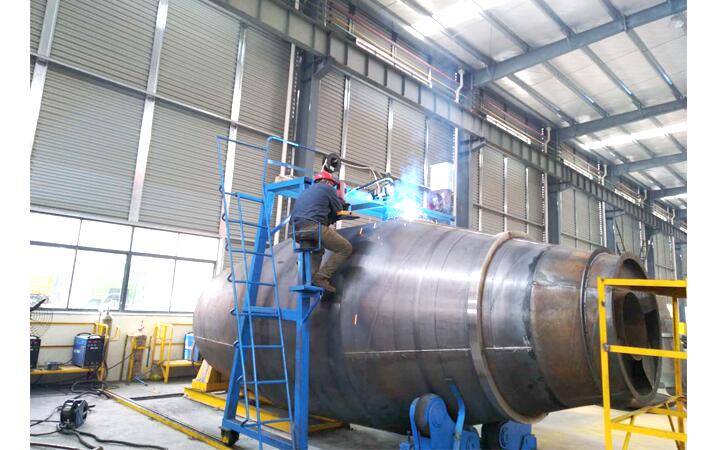 Concrete Mixer Drum Robotic Welding Solutions
 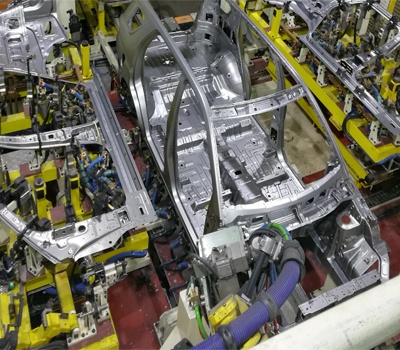 Automobile Body Production Line Welding Fixtures
 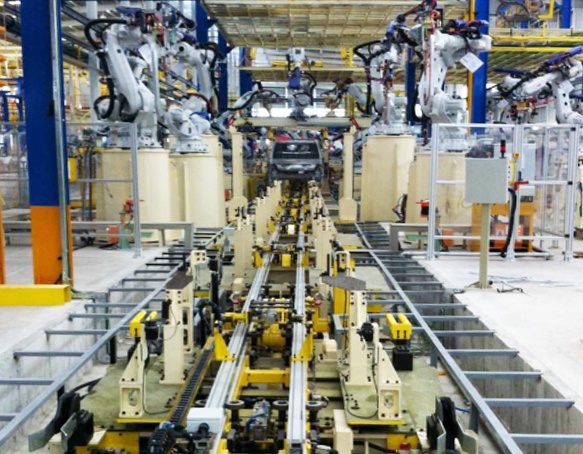 Automotive Body Welding Automated Manufacturing Solutions
 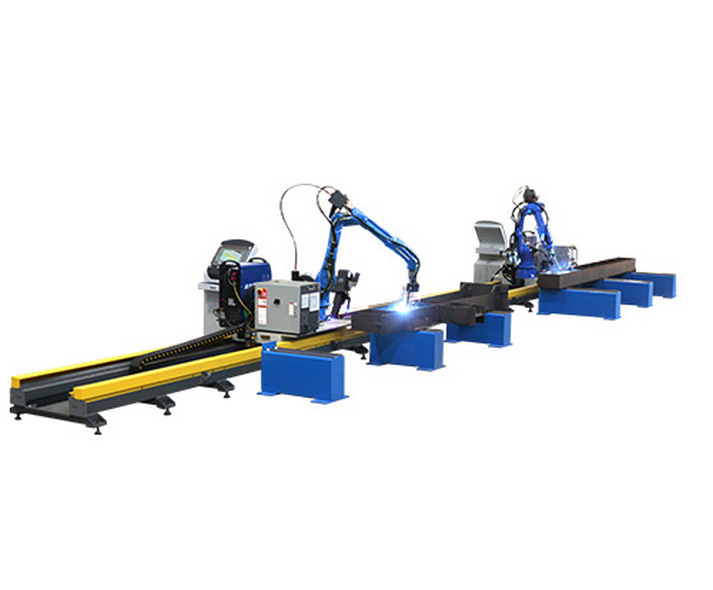 Free-Teaching Programming Welding Robot Cell For I Beam Welding
 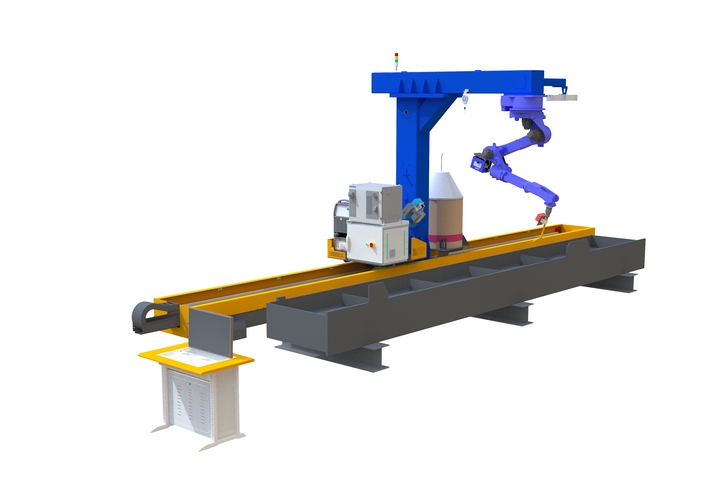 No Programming Required Robotic Welding Systems for H beam Welding Line