Robots in Production Lines: Where Welding Leads the Way
2026-05-13 11:36:26
Walk into any modern manufacturing facility, and you will see them. Robots moving with precision, handling tasks that humans once did with torches and grinders. Among all the applications of robots in production lines, welding stands out as the most demanding. It requires precision, repeatability, and the ability to adapt to real-world variation.
This article focuses on welding robots in production lines—how they work, why they matter, and what separates a successful robot welding line from an expensive disappointment. We will also look at the automated robotic welding system as the core of modern fabrication.
Why Welding Robots Dominate Production Lines
Of all the tasks performed by robots in production lines, welding is one of the most common. The reasons are straightforward. Welding is physically demanding. It exposes workers to heat, fumes, and awkward postures. It requires consistent technique across hundreds or thousands of identical joints.
Welding robots in production lines solve these problems. They never tire. They never shake. They maintain the same torch angle and travel speed at 3:00 PM as they did at 8:00 AM.
But not every robot welding line delivers on this promise. The difference lies in integration.
What Makes a Robot Welding Line Successful
A robot welding line is more than a robot arm with a torch attached. It is a complete system that includes positioners, seam tracking, wire feeders, power sources, and safety equipment. When all these components work together, the robot welding line runs shifts with minimal intervention.
The best welding robots in production lines share several characteristics:
- They adapt to part variation using vision or through-arc sensing - They manage multi-pass sequences automatically - They log data for every weld—current, voltage, travel speed - They integrate with upstream and downstream processes
An automated robotic welding system that lacks these features will struggle in a real production environment.
Automated Robotic Welding System: The Heart of Modern Lines
The term automated robotic welding system describes a fully integrated cell or line where robots handle the welding while operators supervise, load parts, and perform quality checks. These systems range from single-station cells to multi-robot lines that weld complex assemblies.
In an automated robotic welding system, the robot communicates with positioners, conveyors, and safety devices. It receives part identification from barcode readers or vision systems. It selects the correct welding program automatically.
For manufacturers running mixed-model production, this flexibility is essential. The robot welding line must switch from welding a chassis component to a suspension part without manual reprogramming.
Where Welding Robots in Production Lines Deliver the Most Value
Certain applications yield exceptional returns from welding robots in production lines.
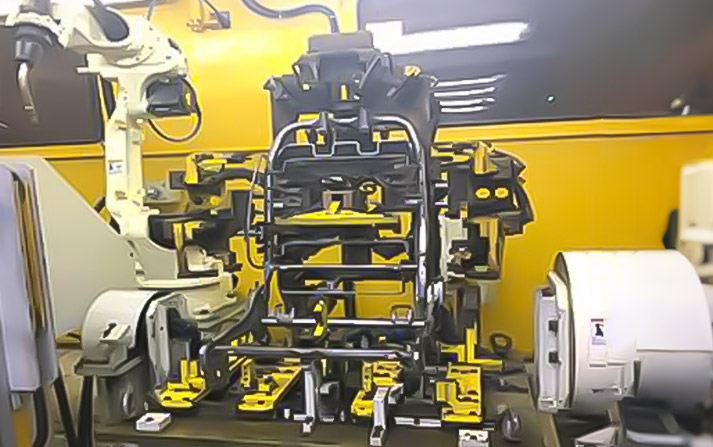
High-volume automotive parts: Control arms, subframes, and exhaust components require hundreds of welds per part. A robot welding line outproduces manual cells by three to one.
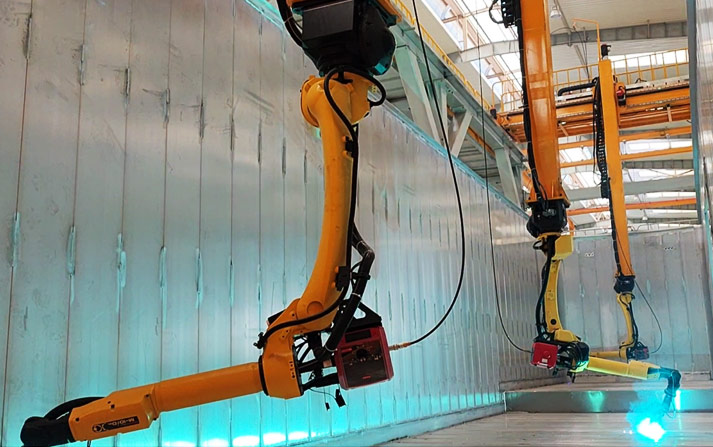
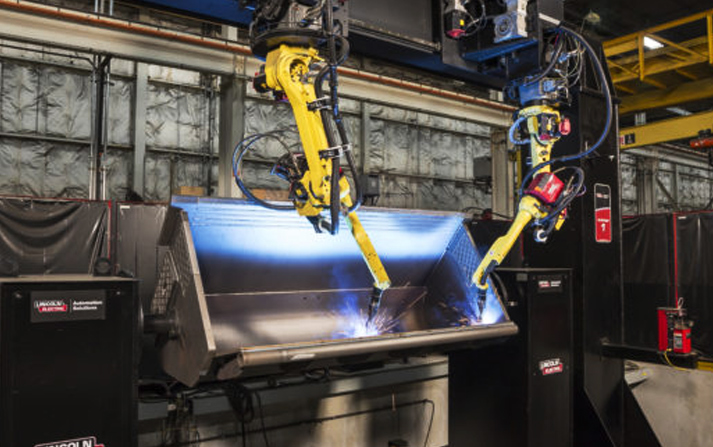
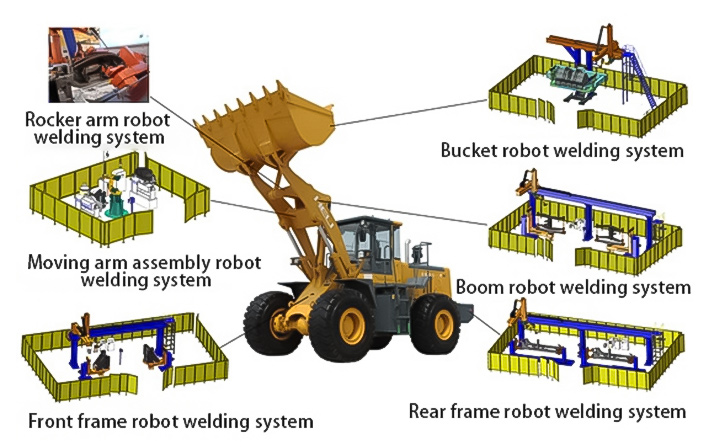
Heavy equipment fabrication: Bulldozer frames, excavator arms, and forklift masts involve thick plate and long seams. An automated robotic welding system handles the multi-pass work that exhausts human welders.
Structural steel and beams: Building columns and bridge girders require consistent fillet welds along lengths of several meters. Welding robots in production lines with track-mounted arms or positioners manage these efficiently.
Job shop mixed batches: Even low-volume shops benefit from robots in production lines when the automated robotic welding system is programmed offline and can switch between part types quickly.
The Integration Challenge
Buying a robot is easy. Building a productive robot welding line is hard. The difference comes down to integration expertise.
An automated robotic welding system must be designed around your specific parts, your specific materials, and your specific production flow. Off-the-shelf solutions rarely work without modification.
This is why experienced integrators focus on process development before equipment selection. They weld your parts in their lab. They measure cycle times. They identify potential issues with part fit-up or material variation. Only then do they design the robot welding line.
Real-World Example: Automotive Supplier Scales Up
A tier-one automotive supplier needed to increase production of welded subframes. Manual welding was too slow, and quality varied between shifts.
They installed an automated robotic welding system with two robots sharing a single positioner. The robot welding line now produces one subframe every 90 seconds—triple the manual rate. First-pass yield improved from 88% to 97%.
The welding robots in production lines run unattended during breaks and shift changes. Operators load raw parts and inspect finished welds. The automated robotic welding system logs every parameter, providing traceability for every subframe.
Why Choose Us for Your Robot Welding Line
We have been integrating welding robots in production lines since 1994. That is three decades of designing, building, and commissioning robot welding line systems for manufacturers worldwide.
Our automated robotic welding system installations operate in over fifty countries. We hold CE certification and all necessary export documentation. Our engineers travel to your facility for installation, commissioning, and training.
We price competitively and deliver on short lead times because we maintain inventory and know our supply chain.
When you partner with us, you are not just buying equipment. You are buying decades of experience making welding robots in production lines work on real parts, with real schedules, and real people.
Your Next Step
If you are ready to bring robots in production lines to your welding operation, start with a conversation. Send us your part drawings, material specifications, and current production volumes. We will propose a robot welding line or automated robotic welding system that fits your budget and delivers measurable ROI.





 Chinese
 English
 OA
OA Current location:
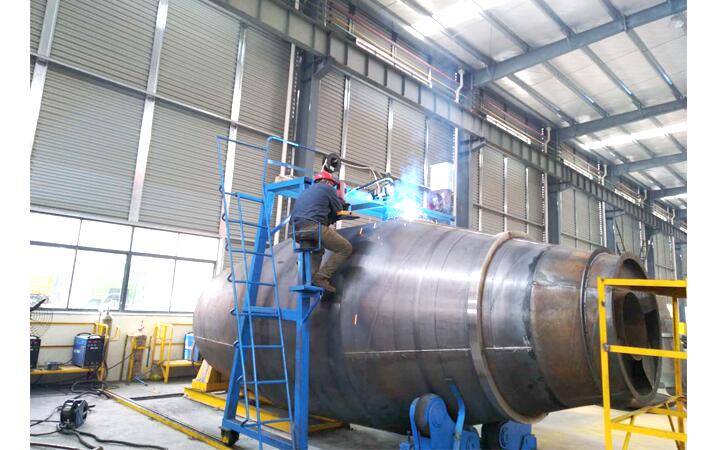 Concrete Mixer Drum Robotic Welding Solutions
 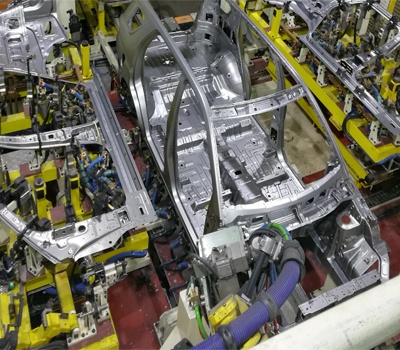 Automobile Body Production Line Welding Fixtures
 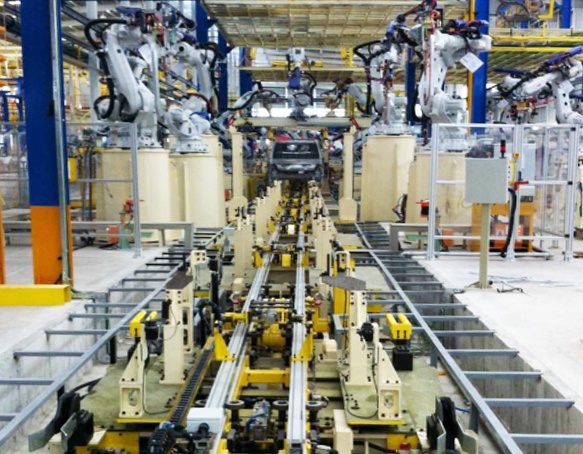 Automotive Body Welding Automated Manufacturing Solutions
 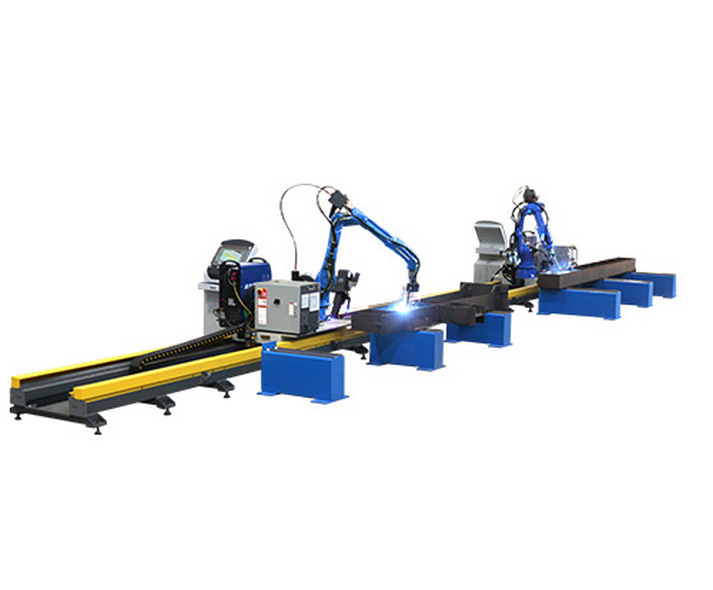 Free-Teaching Programming Welding Robot Cell For I Beam Welding
 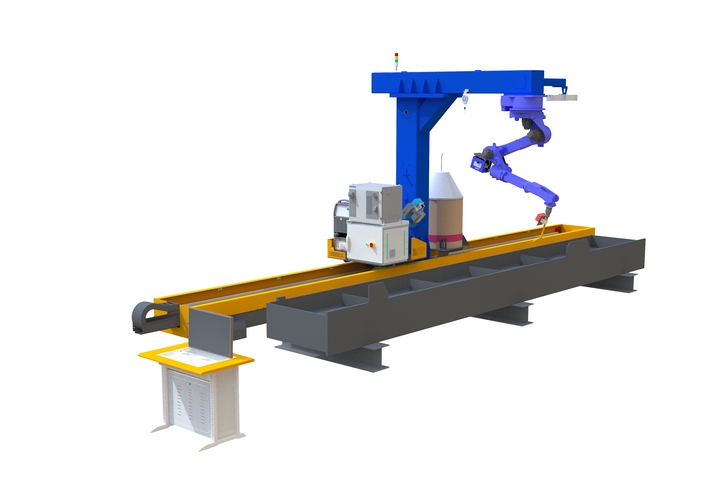 No Programming Required Robotic Welding Systems for H beam Welding Line