+86 15633683072
LiPF₆ (lithium hexafluorophosphate) is the most widely used conductive salt in lithium-ion battery electrolytes. However, this material is highly sensitive to moisture and poses significant safety hazards if not properly managed. Understanding the risks is the first step toward safe operation.
The primary danger lies in hydrolysis. When LiPF₆ reacts with even trace amounts of water (measured in parts per million), it decomposes and generates highly corrosive hydrofluoric acid (HF) along with other harmful byproducts such as PF₅ and POF₃. The hydrolysis reaction follows a multi-step process:
LiPF₆ dissociation → LiF + PF₅
PF₅ + H₂O → POF₃ + 2HF
POF₃ + H₂O → HPO₂F₂ + HF
The consequences of HF formation are severe. HF attacks the cathode material, dissolves transition metals such as manganese and cobalt, and damages the solid electrolyte interphase on the anode side. Beyond battery performance degradation, LiPF₆ itself is classified as a hazardous material that is toxic if swallowed or in contact with skin, and causes severe skin and eye burns. Regulations require that LiPF₆ be handled under dry protective gas with adequate ventilation, and workers must wear appropriate personal protective equipment including gloves, protective clothing, and face protection.
These hazards create a clear requirement: any facility handling LiPF₆-based electrolyte must implement rigorous safety protocols, including moisture-controlled environments and automated, closed-system operations.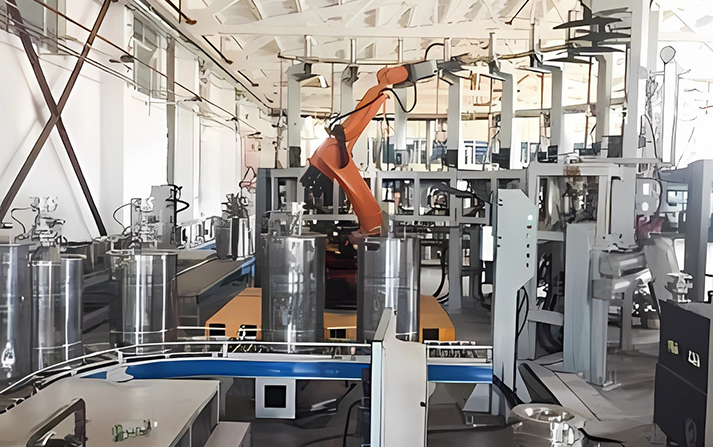
Given the hazards described above, manual electrolyte filling is not a viable option for modern production. This is where automated electrolyte filling technology becomes essential.
An automated electrolyte filling line operates inside fully enclosed operational chambers with automated inert gas purging and real-time leak detection systems. These systems maintain an environment with zero moisture, extreme precision in dosing, and robust safety protocols to handle volatile chemicals like LiPF₆.
Modern automated electrolyte filling systems integrate several key features:
Sealed chambers that isolate the filling process from ambient humidity
PLC-controlled operation with touch screen interfaces for flexible parameter setting
Vacuum-assisted filling to improve electrolyte penetration and ensure complete absorption
Real-time leak detection that immediately shuts down the system upon detection of any breach
For facilities seeking to scale up lithium battery production, automated electrolyte filling represents the industry standard. It delivers consistent dosing accuracy, eliminates operator exposure to hazardous chemicals, and ensures that every battery cell receives the precise amount of electrolyte required for optimal performance.
Beyond safety, precision is paramount. The electrolyte filling process directly affects cell performance, safety, and efficiency, with automated systems achieving closed-loop filling yields as high as 99.98%. High-precision dosing pumps with magnetic hermetic designs can deliver absolute accuracy with variation less than 1%, operating under vacuum conditions to minimize overfill and reduce material waste. A well-designed electrolyte filling line is therefore not just a safety measure—it is a productivity and quality investment. This is why an electrolyte filling line has become the standard configuration for gigafactories worldwide, from laboratory-scale pouch cell production to mass-scale EV battery manufacturing lines. Whether processing small batches in R&D or running continuous production 24/7, an automated electrolyte filling line ensures each container receives exactly the programmed volume under strictly controlled conditions, eliminating batch-to-batch variation and reducing the risk of costly rework.
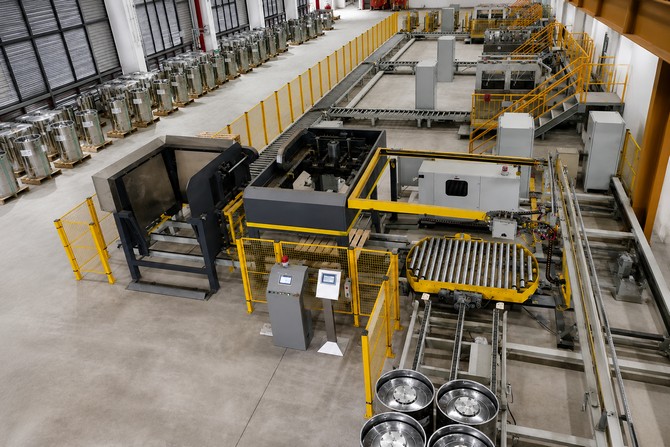
Empty drums and IBC totes that have previously contained LiPF₆-based electrolyte cannot simply be rinsed and reused. Residual LiPF₆ left inside a container will continue to react with any moisture present, forming HF that corrodes the container walls and contaminates the next batch. This is where IBC tank cleaning equipment becomes an indispensable part of the electrolyte handling ecosystem.
IBC tank cleaning equipment is specifically engineered to handle the aggressive nature of LiPF₆ residues. Unlike general-purpose industrial washers, specialized IBC tank cleaning equipment uses corrosion-resistant materials such as PTFE-lined steel or Hastelloy throughout all wetted components, ensuring that the cleaning process does not cause pitting or stress cracking. The cleaning equipment can be configured as a mobile, compact unit that is easily transportable anywhere within a facility, requiring few parts and featuring intuitive controls for simple installation and operation.
In LiPF₆ electrolyte applications, IBC tank cleaning equipment must be paired with LiPF6 automated cleaning technology. LiPF6 automated cleaning refers to closed-loop washing systems that recirculate cleaning solution through filters, removing solid particles and crystallized deposits while minimizing solvent consumption. LiPF6 automated cleaning also integrates with nitrogen purging capabilities to dry containers thoroughly after washing, preventing any residual moisture from triggering further hydrolysis. A complete cleaning system for electrolyte containing LiPF6 is designed to meet the unique challenges of these materials—removing thick or dried-on residues, safely handling hazardous waste, and preparing containers for reuse or sale. The design features of such a cleaning system for electrolyte containing LiPF6 typically include 360° rotating jet nozzles that clean the entire interior surface (top, walls, and corners) in 2–6 minutes per container, with pressure ranges adjustable from 5 to 500 bar to solve cleaning problems under various working conditions.
Without proper IBC tank cleaning equipment and LiPF6 automated cleaning protocols, any container that previously held electrolyte becomes a potential source of corrosion and contamination. By investing in a dedicated cleaning system for electrolyte containing LiPF6, manufacturers can protect both their equipment and their product quality while ensuring worker safety.
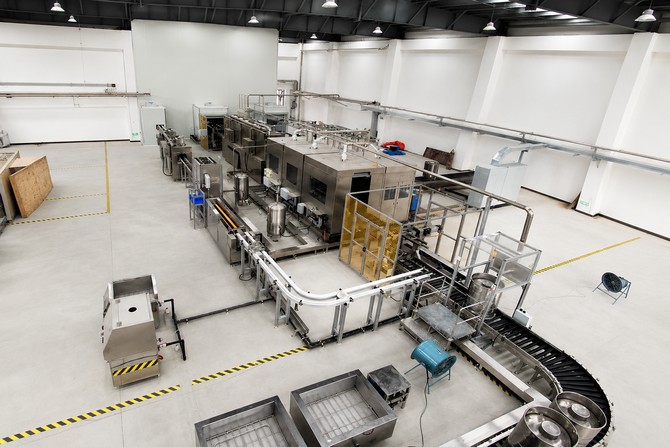
The safest and most efficient approach to handling LiPF₆-based electrolyte is to integrate automated electrolyte filling, IBC tank cleaning equipment, and LiPF6 automated cleaning into a unified workflow.
Step 1 – Receiving and Inspection
Empty drums and IBC totes arrive at the facility. Each container is logged into the inventory system. If the container was previously used for electrolyte, it is immediately directed to the IBC tank cleaning equipment station.
Step 2 – Automated Cleaning
The cleaning system for electrolyte containing LiPF6 begins its programmed cycle. Using a 360° rotating jet nozzle, the system applies high-pressure cleaning at adjustable pressures to remove all LiPF₆ residues. The LiPF6 automated cleaning process includes multiple stages: pre‑rinse to remove loose solids; recirculated wash with detergent or solvent to dissolve chemical residues; final rinse with deionized water; and heated air or nitrogen drying to eliminate residual moisture. The entire cycle takes 2–6 minutes per container, delivering consistent and repeatable results every time.
Step 3 – Filling
Once containers are verified clean and dry, the electrolyte filling line takes over. The automated electrolyte filling system positions the container under a sealed nozzle, establishes an inert nitrogen atmosphere, executes a multi-stage filling program (fast fill then drip fill) to achieve target weight with ±0.05% accuracy, and finally caps the container with a torque-controlled head.
Step 4 – Safety Verification
Throughout both cleaning and filling stages, sensors continuously monitor dew point, pressure, temperature, and leak status. Any deviation triggers an automatic shutdown and alerts the operator. All cycle data—including cleaning parameters, fill weights, and environmental conditions—are logged for quality audits and regulatory compliance.
This integrated workflow represents the industry benchmark for LiPF₆ electrolyte handling. It eliminates manual intervention, prevents HF generation, reduces labor costs, improves throughput, and ensures product quality from container arrival to final shipment.
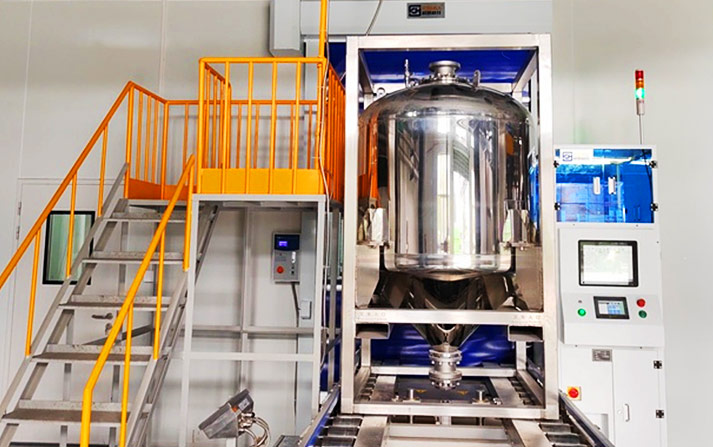
Kehui brings extensive practical experience in designing and manufacturing automated electrolyte filling lines and IBC tank cleaning equipment specifically for LiPF₆-based electrolyte applications. Our equipment has been successfully deployed at multiple Chinese battery material manufacturers serving the global lithium battery supply chain.
Case Example – Do‑Fluoride (DFD)
Do‑Fluoride, one of China’s largest LiPF₆ producers with approximately 20% global market share and annual shipments exceeding 50,000 tons, faced the challenge of cleaning hundreds of drums and IBC totes daily that had contained LiPF₆ crystals and electrolyte films. Kehui supplied a complete cleaning system for electrolyte containing LiPF6 featuring a robotic manipulator, PTFE-lined wetted parts, closed‑loop solvent recovery, and nitrogen drying. After deployment, Do‑Fluoride reported cleaning time per drum reduced from 18 minutes to 5 minutes (a 72% improvement), labor reduced from four operators per shift to one, solvent consumption cut by 54% through recirculation, and zero HF exposure incidents since commissioning.
Case Example – Shinghwa (Sinomax)
Shinghwa, a global leader in electrolyte solvents with over 40% market share in high‑end carbonates, needed to clean 300+ IBC totes per day without cross‑contamination. Kehui installed an automated electrolyte filling preparation line integrated with IBC tank cleaning equipment that uses a robotic arm and closed‑loop solvent recovery. The results included cleaning cycle time reduced from 22 minutes per tote (manual) to 6 minutes (automated), solvent consumption cut by 60%, operator exposure eliminated, and throughput tripled with a single machine handling the entire daily volume.
These real‑world implementations demonstrate that the combination of proper automated electrolyte filling and IBC tank cleaning equipment—supported by robust LiPF6 automated cleaning protocols—delivers measurable improvements in safety, efficiency, and cost.
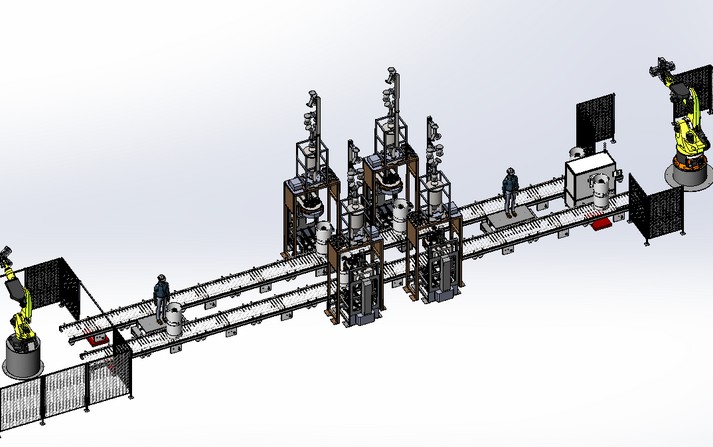
Handling LiPF₆-based electrolyte demands more than standard industrial practices—it requires purpose‑built automation, rigorous moisture control, and comprehensive safety systems. From understanding the hydrolysis risk to implementing an integrated workflow of automated electrolyte filling and IBC tank cleaning equipment, every step must be engineered for the unique challenges of this material.
Kehui offers complete solutions for electrolyte filling line integration, including IBC tank cleaning equipment with corrosion‑resistant construction, LiPF6 automated cleaning systems, and turnkey cleaning system for electrolyte containing LiPF6 installations. With proven references at industry leaders like Do‑Fluoride and Shinghwa, Kehui’s technology is ready to support your electrolyte handling operations.
Contact Kehui today to discuss your specific requirements, request a free technical consultation, or schedule a live demo of our automated electrolyte filling and container cleaning systems.
Zhengzhou Kehui Technology Co., Ltd
Email: info@zzkehui.com





 Chinese
 English
 OA
OA Current location:
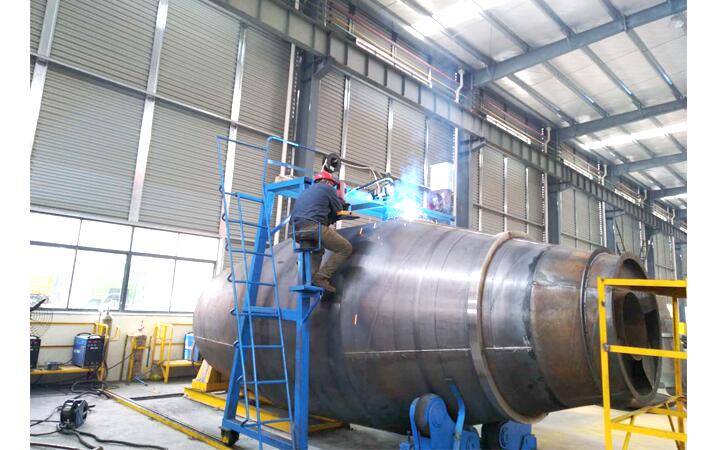 Concrete Mixer Drum Robotic Welding Solutions
 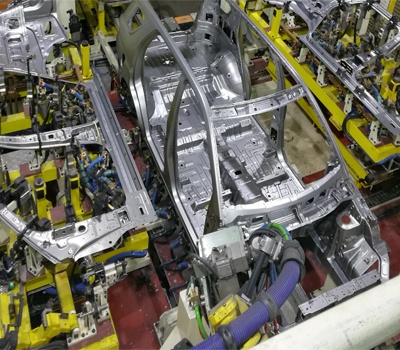 Automobile Body Production Line Welding Fixtures
 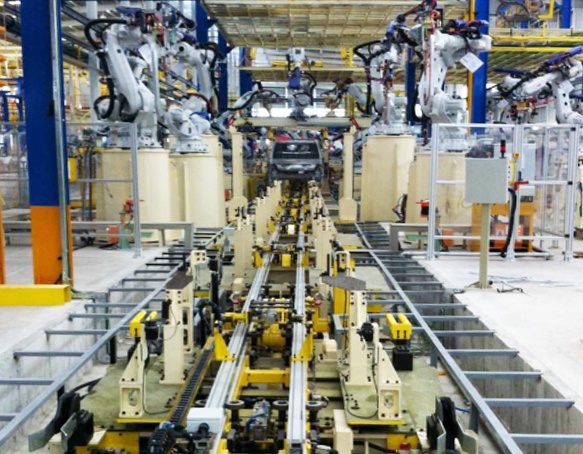 Automotive Body Welding Automated Manufacturing Solutions
 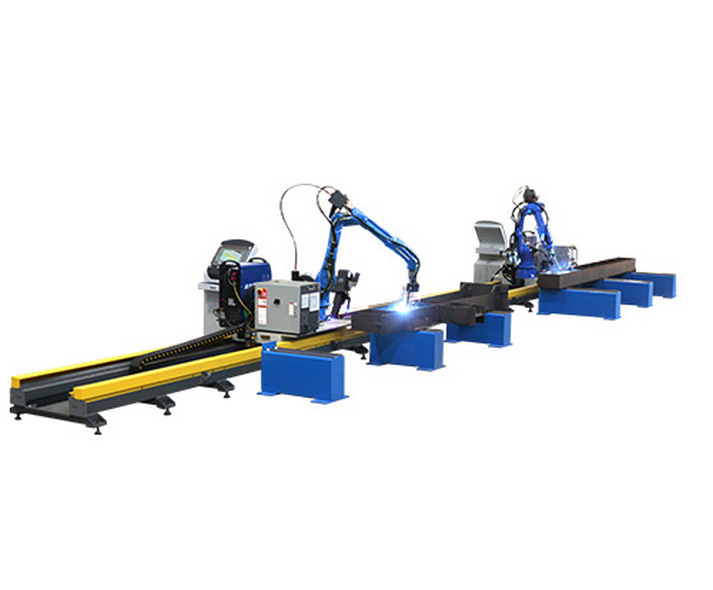 Free-Teaching Programming Welding Robot Cell For I Beam Welding
 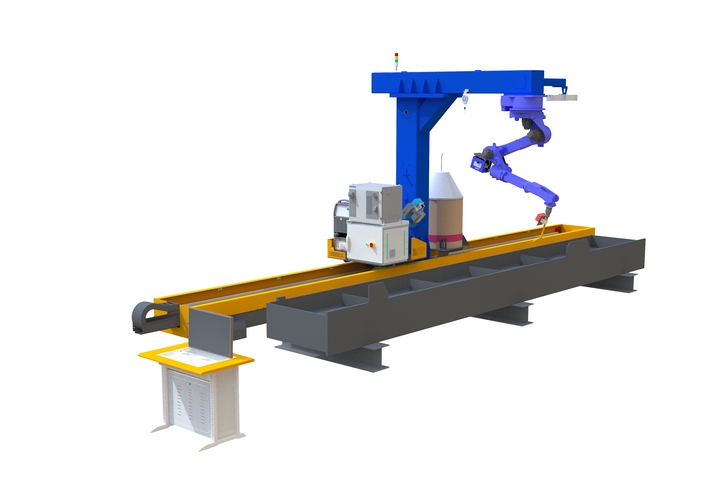 No Programming Required Robotic Welding Systems for H beam Welding Line