+86 15633683072
Electrolyte used in lithium battery manufacturing process contains lithium hexafluorophosphate (LiPF₆), a highly moisture‑sensitive salt. When exposed to humidity, LiPF₆ decomposes and releases hydrofluoric acid (HF), which corrodes container walls, contaminates next batches, and poses severe safety risks to operators. Understanding how to clean chemical drums that have stored electrolyte requires specialized knowledge because conventional washing methods often fail to remove crystalline residues and can actually accelerate corrosion.
For production managers searching for an IBC tank cleaning machine, the challenge is clear: electrolyte residues are sticky, hygroscopic, and chemically aggressive. A standard pressure washer cannot dissolve dried LiPF₆ crystals, and manual scrubbing puts workers in direct contact with toxic compounds. This is why electrolyte drum cleaning demands a completely different approach compared to cleaning non‑hazardous materials.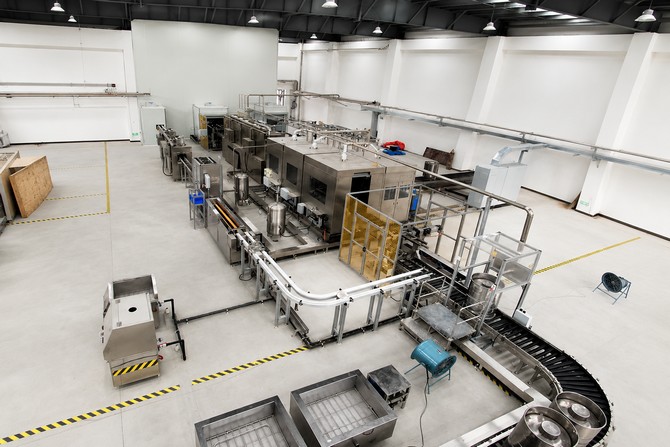
The three major risks associated with improper electrolyte drum cleaning are:
Corrosion – Residual LiPF₆ attracts moisture from the air, forming HF that pits stainless steel and degrades plastic liners. Over time, drums become unsafe for reuse.
Contamination – Even trace amounts of old electrolyte can ruin a new batch, leading to costly product rejection and production delays.
Safety – HF exposure can cause severe chemical burns and respiratory damage. Operators cleaning drums manually face the highest risk.
These risks drive battery material producers to search for how to clean chemical drums efficiently and safely. Many discover that manual methods are simply inadequate for the lithium battery manufacturing process, where purity standards are measured in parts per million.
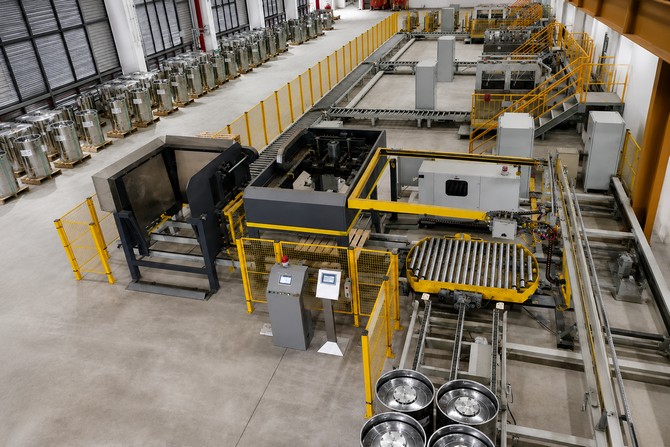
Traditional manual cleaning of electrolyte drums involves several steps: opening the drum, draining residual liquid, using a high‑pressure lance or spray ball, rinsing with solvent or water, and drying. In practice, this method suffers from:
Inconsistent results – Operator fatigue and variation lead to missed spots, especially on drum bottoms and chime seams.
Low throughput – A single worker may spend 15–20 minutes per drum, limiting daily capacity.
High labor cost – Multiple shifts of skilled workers are needed, and finding personnel willing to handle hazardous chemicals is increasingly difficult.
Safety incidents – Confined space entry and splash exposure remain real dangers.
These limitations explain why more facilities are replacing manual stations with an IBC tank cleaning machine that automates the entire cycle. Similarly, custom tank cleaning systems designed for electrolyte residues deliver consistent, repeatable performance without exposing workers to harm.
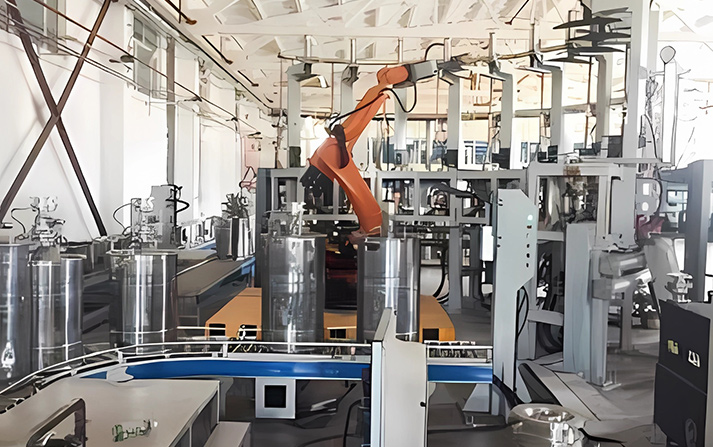
So, how to clean chemical drums in modern lithium battery manufacturing process? The answer lies in robotic, closed‑loop cleaning technology. Kehui has developed an IBC tank cleaning machine that uses an articulated robotic arm to reach every interior surface of a drum or IBC tote. The robot follows a pre‑programmed 3D path, adjusting nozzle angle and pressure in real time based on residue mapping.
For facilities with unique container geometries or specific throughput targets, custom tank cleaning systems can be engineered to integrate with existing production lines. Kehui offers fully sealed wash chambers with nitrogen purging (dew point ≤ -50°C), solvent recirculation, and heated drying stages. These custom tank cleaning systems ensure that even heavily crystallized LiPF₆ deposits are completely removed without moisture intrusion.
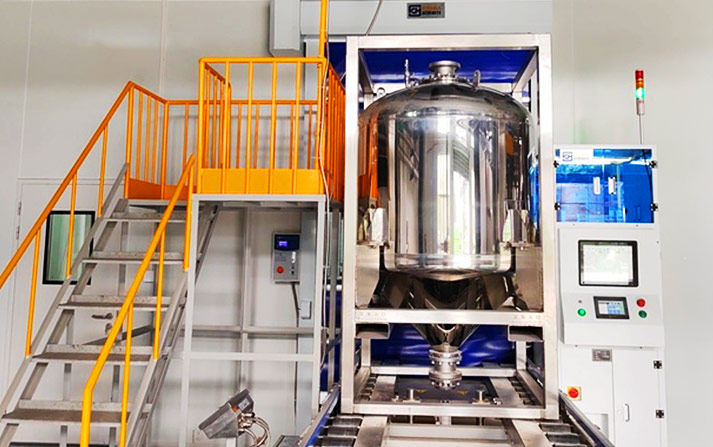
The effectiveness of any IBC tank cleaning machine for electrolyte drums depends on three core technologies:
Corrosion‑resistant materials – All wetted parts are manufactured from PTFE‑lined steel, PVDF, or Hastelloy C276. These materials withstand HF attack and last for years without pitting or seal failure.
Robotic automation – A 4‑ to 6‑axis robotic arm with pressure feedback adapts to deformed drums and ensures 100% coverage. One operator can supervise multiple machines from a remote HMI.
Safety interlocks – The cleaning chamber remains sealed during operation. Door opening triggers an automatic shutdown. Exhaust scrubbers capture any solvent vapors, and dew point monitors alarm if humidity exceeds setpoint.
These technologies directly answer the question of how to clean chemical drums containing hazardous electrolytes. Instead of risking operator exposure, the automated system handles everything from pre‑rinse to final drying.
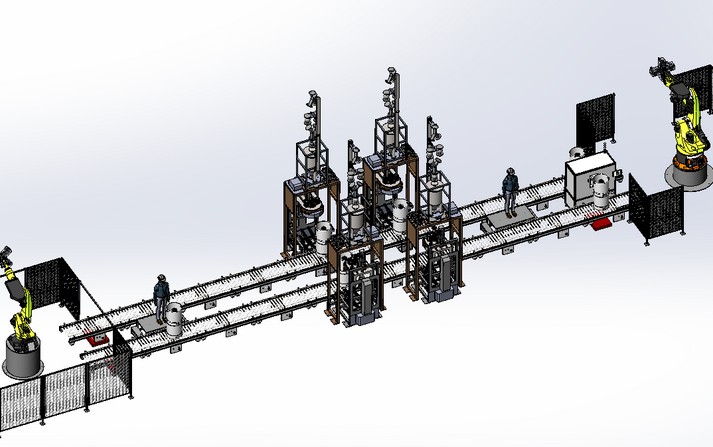
Do‑Fluoride, one of China’s largest LiPF₆ producers, faced exactly the challenges described above. With an annual output exceeding 50,000 tons, the company needed to clean hundreds of drums and IBC totes daily. Manual methods were slow, inconsistent, and increasingly difficult to staff.
Kehui supplied a complete automated cleaning line featuring an IBC tank cleaning machine with robotic arm and solvent recovery. The custom tank cleaning systems integrated three wash stages: solvent pre‑rinse (DMC), hot alkaline wash, and deionized water rinse, followed by heated nitrogen drying. After installation, Do‑Fluoride reported:
Cleaning time per drum reduced from 18 minutes to 5 minutes
Labor reduced from 4 operators per shift to 1
Solvent consumption cut by 54% through closed‑loop recirculation
Zero HF exposure incidents since commissioning
This real‑world example demonstrates that how to clean chemical drums in lithium battery manufacturing process is no longer a problem when the right IBC tank cleaning machine is deployed. Do‑Fluoride has since standardized on Kehui’s equipment for new production lines.
Cleaning electrolyte drums in lithium battery manufacturing process requires more than just high pressure—it demands corrosion resistance, automation, and closed‑loop safety. Understanding how to clean chemical drums containing LiPF₆ leads to one clear solution: a purpose‑built IBC tank cleaning machine with robotic control and solvent recovery. For facilities with unique needs, custom tank cleaning systems can be engineered to match specific container types, throughput targets, and safety standards.
If your electrolyte drum cleaning process still relies on manual methods, or if you are scaling up production and need a reliable automated solution, contact Kehui today. We will provide a detailed proposal based on your container volumes, residue types, and facility layout.
Zhengzhou Kehui Technology Co., Ltd
Email: info@zzkehui.com





 Chinese
 English
 OA
OA Current location:
 Concrete Mixer Drum Robotic Welding Solutions
  Automobile Body Production Line Welding Fixtures
  Automotive Body Welding Automated Manufacturing Solutions
 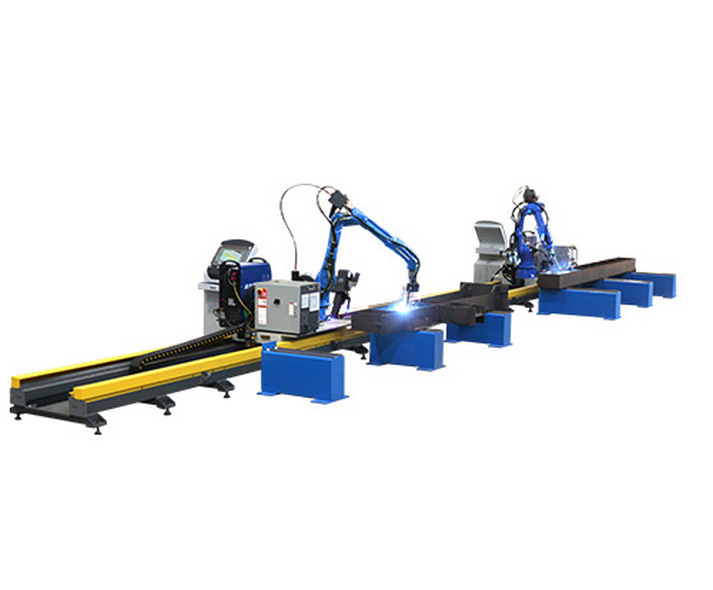 Free-Teaching Programming Welding Robot Cell For I Beam Welding
 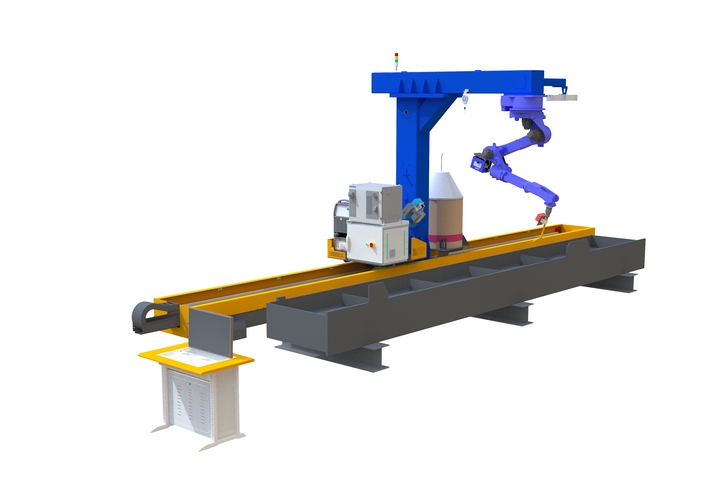 No Programming Required Robotic Welding Systems for H beam Welding Line