Custom Tube to Tubesheet Welding Machine: Built for Your Exact Job
2026-05-13 17:13:07
Walk into any heat exchanger shop, and you will see the same tension playing out. The off-the-shelf welding equipment sort of works for most tubes, but then you hit that oddball tube diameter or that funky joint configuration, and suddenly nothing fits right. That is why we started building custom solutions. A custom tube to tubesheet welding machine is not just a luxury—it is often the only way to get consistent results when your job does not match the standard catalog.
We have been building automatic tube to tubesheet welding machine systems for over fifteen years. In that time, we have learned that one size never fits all. Tube diameters range from tiny instrument tubing to massive boiler tubes. Materials vary from common carbon steel to exotics like titanium or Inconel. Joint configurations include flush, protruding, recessed, and everything in between. A standard machine might handle 80% of what you weld. For the other 20%, you need something tailored.
What Makes a Tube to Tubesheet Welding Machine "Custom"
The term custom tube to tubesheet welding machine gets thrown around loosely. Some vendors call a machine custom just because they changed a collet size. That is not custom—that is just swapping parts.
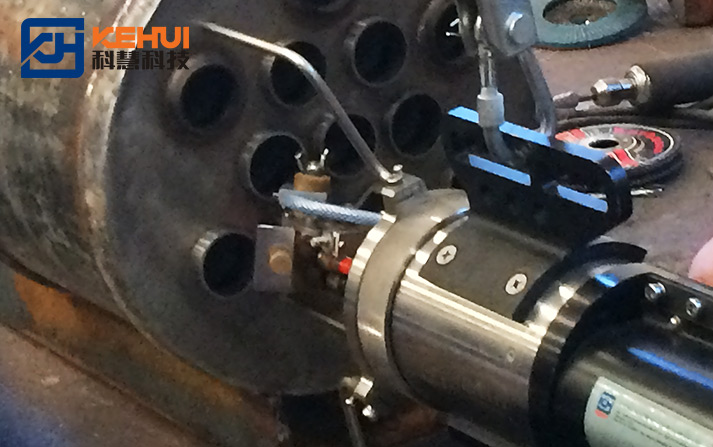
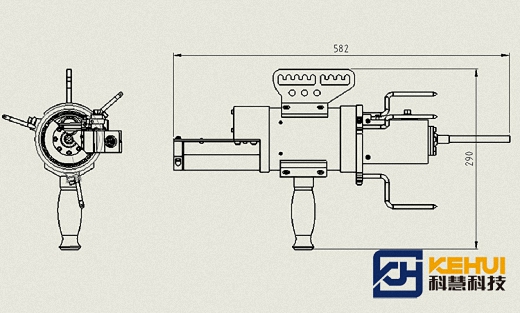
Real customization starts with the weld head. The tube to tube sheet welding head must center accurately on your specific tube diameter. Standard heads cover ranges, but if your tube falls at the very top or bottom of a range, centering accuracy suffers. A custom head is machined specifically for your tube OD and ID, with collets and mandrels matched to your tolerances. This matters because even a 0.2 mm off-center condition creates uneven penetration around the tube circumference.
The torch angle is another variable. For tube to tube sheet orbital welding machine applications with protruding tubes, a torch angle of 5 to 15 degrees is typical. But some jobs need steeper angles to reach into recessed configurations or tighter bundles. A custom machine allows you to specify the exact angle your joint geometry demands.
Cooling requirements vary too. High-current, high-duty-cycle applications need aggressive water cooling. Light-duty jobs might run fine with air cooling. A custom tube to tubesheet welding machine should match the cooling system to your actual production volume, not some generic specification.
Why Off-the-Shelf Often Falls Short
We have seen customers struggle with standard equipment more times than we can count. A typical scenario: a shop buys a automatic tube to tubesheet welding machine from a major brand, thinking it will handle everything. Then they get a contract for a bundle with 1.25-inch tubes, and the machine's collet system cannot quite center properly. The welds look good on the surface, but when they section samples, penetration varies from 80% down to 40% around the circumference. That is a failure waiting to happen.
Another common issue is wire feeding. Standard tube to tube sheet orbital welding machine heads often have fixed wire guide positions. If your joint requires a specific wire entry angle to avoid shadowing or to reach a tight corner, a standard head cannot adapt. A custom head positions the wire guide exactly where you need it, ensuring consistent filler metal deposition.
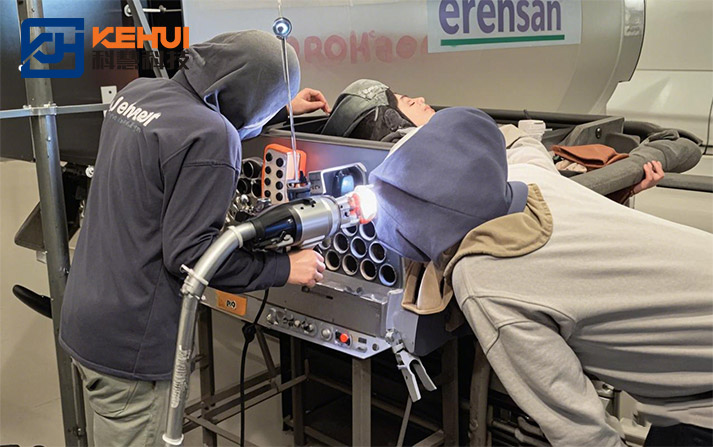
Access is a third problem. In dense tube bundles, standard weld heads are often too bulky to fit between tubes. The clearance might be 10 mm, but the standard head needs 15 mm. That means you cannot weld certain tubes at all. A custom tube to tubesheet welding machine head can be slimmed down, with compact drive systems and reduced body diameter, to slip into those tight lanes.
Real Customizations We Have Built
Over the years, we have built custom tube to tubesheet welding machine systems for some unusual applications. One customer needed to weld 6 mm OD stainless tubes to a tubesheet for a medical device heat exchanger. The standard smallest tube size in most catalogs is 12 mm. We built a micro-head with custom collets, a miniaturized drive motor, and a modified gas lens to get proper coverage. That tube to tube sheet welding job now runs with a reject rate under 0.5%.
Another job involved a nuclear application with 50 mm thick tubesheets. The tubes were recessed 8 mm below the face, and the weld had to be made inside that recess without filler wire. Standard heads could not reach deep enough without crashing. We designed an extended torch nozzle and modified the centering mandrels to grip near the tube end while keeping the tungsten positioned correctly inside the recess. The resulting tube to tube sheet orbital welding machine head completed the job with perfect penetration on every weld.
A third customer built large seawater-cooled condensers with titanium tubes and titanium-clad tubesheets. Titanium is sensitive to contamination and requires exceptional gas coverage. Standard heads leaked too much air into the weld zone, causing discoloration and embrittlement. We built a custom head with improved gas seals, a redesigned chamber geometry, and higher gas flow capacity. The automatic tube to tubesheet welding machine now produces bright, oxide-free welds consistently.
When to Consider a Custom Machine
Not every application needs a custom tube to tubesheet welding machine. If you weld standard tube sizes between 12 mm and 80 mm, with typical joint configurations, an off-the-shelf automatic tube to tubesheet welding machine is probably fine. But here are the signals that you need something custom:
Non-standard tube diameters. If your tubes measure 18.5 mm or 2.75 inches, standard collet ranges may not center properly. A custom head machined to your exact diameter eliminates centering error.
Unusual materials. Some alloys require unique gas coverage, heat input control, or filler metal delivery. Standard gas lenses may not provide enough coverage for titanium. Standard pulse parameters may not be optimized for nickel alloys.
Tight clearance. If your tube pitch is less than 1.5 times the tube diameter, standard heads may not fit between tubes. Compute the diagonal clearance across the tube bundle before buying equipment.
Recessed joints. Welding inside a recess deeper than 3 mm requires extended torch nozzles and modified gas delivery. Standard heads are not designed for this.
High production volumes. If you weld thousands of tubes per month, duty cycle becomes critical. A custom head with aggressive water cooling and heavy-duty bearings will outlast standard equipment.
The Design Process for a Custom Tube to Tubesheet Welding Machine
When a customer asks us for a custom tube to tubesheet welding machine, we start with a detailed specification. Tube diameter and wall thickness. Tube material and tubesheet material. Joint configuration—flush, protruding, or recessed, with dimensions. Tube pitch and bundle geometry. Production volume and desired cycle time.
From that specification, we design the weld head geometry. The centering mandrels are machined to your tube ID. The collet system is sized to your OD. The torch angle is set precisely. The tungsten adjustment range is configured to give you the necessary electrode stickout and angle for your joint.
We then build a prototype head and send it to you for testing. You run samples on your material, section them, and inspect the welds. If anything needs adjustment—tungsten position, gas flow rate, pulse parameters—we refine the design. Once you approve the prototype, we build production units and train your operators.
This process takes time, but it eliminates the "almost fits but not quite" frustration that comes with standard equipment. You get a automatic tube to tubesheet welding machine that is built for your exact job, not someone else's.
Cost Considerations
A custom tube to tubesheet welding machine costs more upfront than a standard unit. You are paying for engineering, prototype machining, and testing. But the long-term economics often favor custom.
Consider scrap and rework. If a standard machine produces a 5% reject rate on your difficult tubes, and you weld 10,000 tubes per year, you are reworking 500 tubes. Each rework takes time, consumes materials, and risks further damage. A tube to tube sheet orbital welding machine custom-built for your application might cut that reject rate to under 1%. The savings in rework alone can pay for the custom equipment within months.
Consider productivity. A standard machine might require five minutes of setup per tube because the head does not fit well or the centering is finicky. A custom head that snaps into place in 30 seconds per tube saves hours per bundle. Over a year, that adds up to weeks of labor savings.
Consider capability. Sometimes the standard machine simply cannot do the job at all. Without a custom tube to tubesheet welding machine, you would have to turn down contracts. The revenue from those contracts justifies the custom equipment easily.
Industries That Need Custom Solutions
Certain industries consistently need custom automatic tube to tubesheet welding machine solutions because their requirements fall outside standard catalogs.
Nuclear power involves exotic alloys, strict documentation, and often non-standard tube sizes. Custom heads with traceable materials and certified calibration are common.
Aerospace uses small-diameter tubes and thin walls that standard equipment cannot handle without burn-through. Custom pulse parameters and fine-tuned centering are essential.
Pharmaceutical requires sanitary welds with zero crevices and complete penetration. Custom gas coverage and tungsten positioning ensure contamination-free joints.
Desalination plants use large-diameter titanium tubes with thick walls. Standard heads may not provide enough current capacity or cooling. Custom high-current heads with aggressive water cooling are needed.
Research facilities often have odd tube sizes, unusual materials, or one-off geometries. A tube to tube sheet orbital welding machine built for that specific experiment may be the only practical solution.
Getting the Most from Your Custom Machine
Once you invest in a custom tube to tubesheet welding machine, protect that investment. Document the exact parameters that work for your application. Train operators thoroughly on the custom features. Keep spare collets, gas lenses, and mandrels in stock because custom parts take longer to replace.
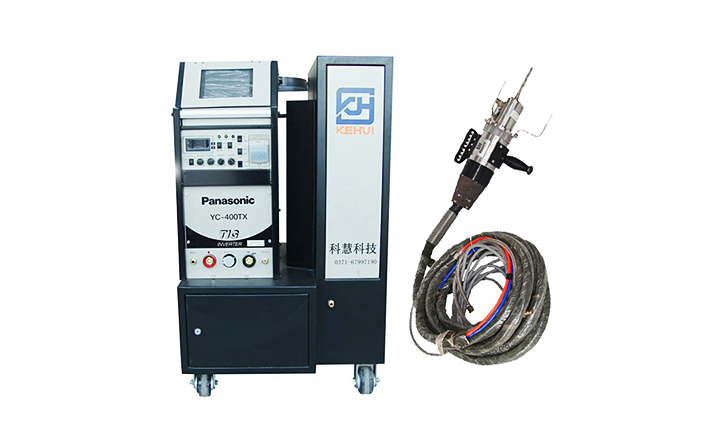
Also, consider buying multiple weld heads for the same power source. If your custom automatic tube to tubesheet welding machine uses a modular design, you can swap heads for different tube sizes or joint configurations. One weld head might be optimized for 12 mm stainless tubes. Another might be set up for 50 mm carbon steel with filler wire. The same power source runs both.
Why Choose Us for Your Custom Machine
We have been building custom tube to tubesheet welding machine systems since 2008. Every head is machined in our shop, assembled by technicians who understand welding, and tested on our floor before shipping. We do not outsource machining or assembly. When you call with a problem, you talk to the people who built your equipment.
Our design process is collaborative. We do not claim to know your application better than you do. Instead, we ask questions, listen to your requirements, and propose solutions. If something does not work, we fix it. That is the advantage of working with a smaller, specialized manufacturer instead of a giant corporation that treats custom orders as a nuisance.
The Bottom Line on Custom Tube to Tubesheet Welding Machines
If your tube welding falls within standard ranges, buy a standard automatic tube to tubesheet welding machine. They are cheaper and ship faster. But if your job has odd diameters, tight clearances, exotic materials, or unusual joint configurations, do not struggle with equipment that sort of fits. A tube to tube sheet orbital welding machine built specifically for your application will save you time, reduce scrap, and open new capabilities.
The upfront investment in a custom tube to tubesheet welding machine pays back through lower rework, higher productivity, and the ability to take contracts that competitors with standard equipment cannot handle. Come talk to us about your most difficult tube welding job. Chances are, we have built a custom solution for something like it before.





 Chinese
 English
 OA
OA Current location:
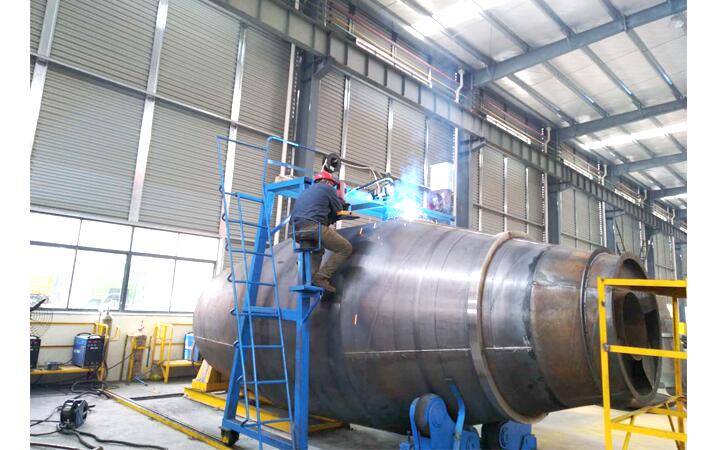 Concrete Mixer Drum Robotic Welding Solutions
 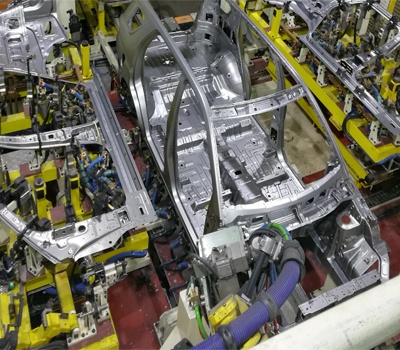 Automobile Body Production Line Welding Fixtures
 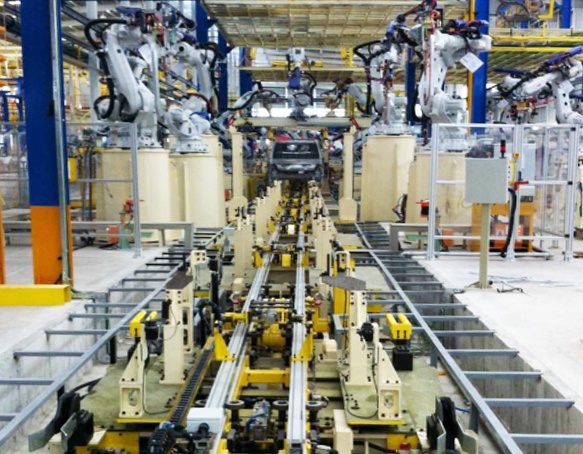 Automotive Body Welding Automated Manufacturing Solutions
 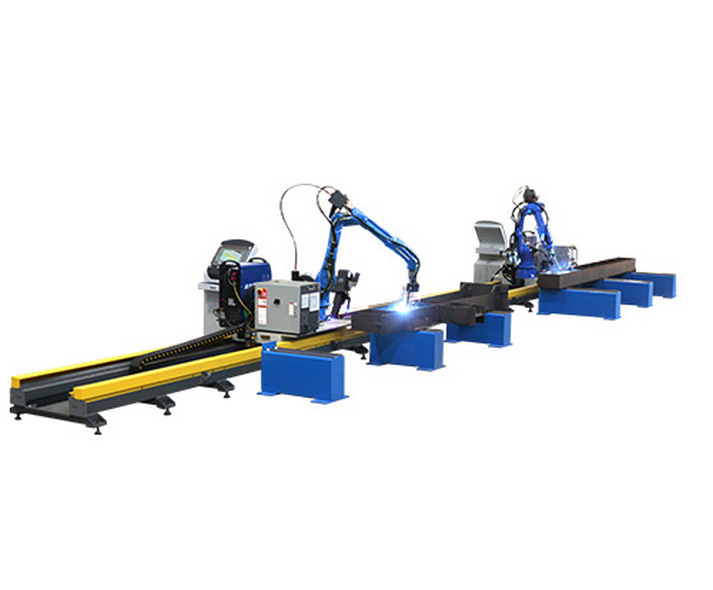 Free-Teaching Programming Welding Robot Cell For I Beam Welding
  No Programming Required Robotic Welding Systems for H beam Welding Line