Robot Welding System for Steel Structure | Welding Automation Integrator
2026-04-29 16:21:36
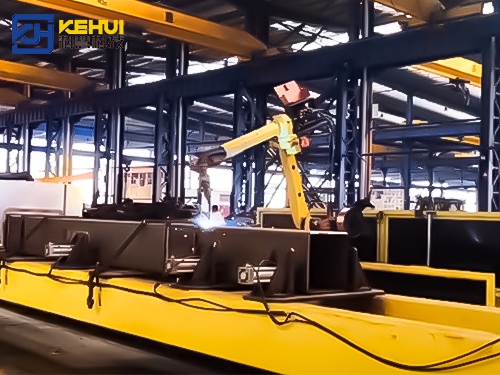
Steel structure fabrication is not forgiving. Beams warp. Plates shift. Tolerance stacks accumulate. And the welds must pass rigorous codes like AWS D1.1 or EN 1090. This is exactly why a dedicated robot welding system for steel structure has become essential for fabricators who want to scale quality production.
But not every robot welding system is designed for thick plate and long seams. Many are adapted from automotive lines, where cycle times are measured in seconds and parts are perfectly repeatable. Steel structure demands something different: an automated robotic welding system that handles variation, multi-pass sequences, and large work envelopes.
Let us walk through what makes a robot welding system work for structural steel, how to choose the right automated robotic welding system, and why the experience of welding automation integrators makes or breaks the project.
Why Structural Steel Needs a Specialized Robot Welding System
A typical beam-to-column connection may require 20mm of weld throat, laid down in four or five passes. The robot welding system must manage weave patterns, interpass temperature, and arc starting/stopping to avoid crater cracks. Off-the-shelf systems struggle with these requirements.
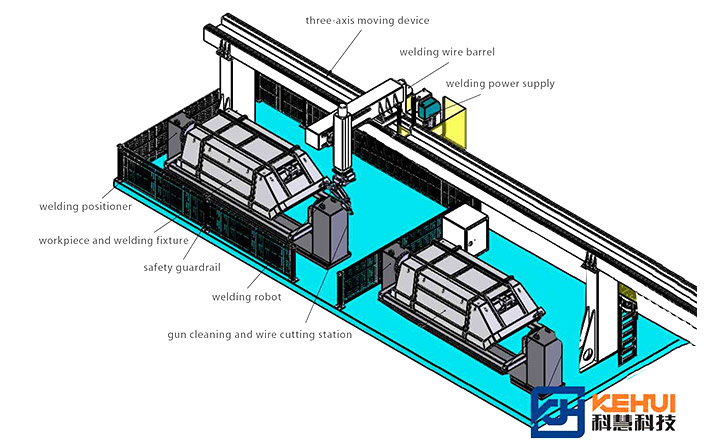
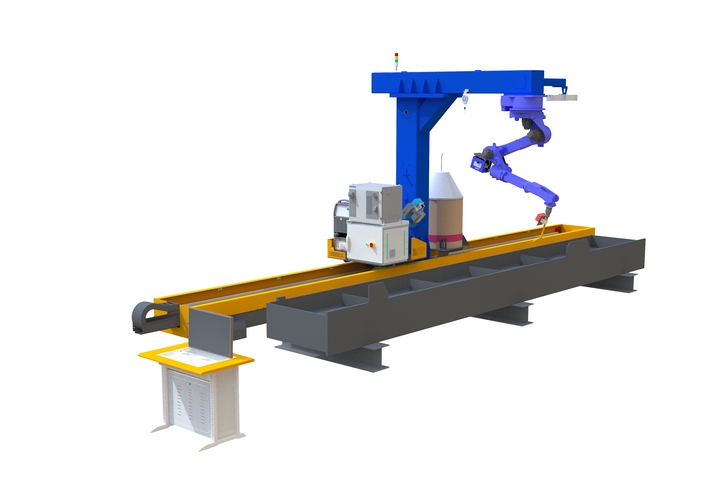
An automated robotic welding system purpose-built for structural steel includes: - Heavy-duty positioners that manipulate beams up to 10 tons - Long-reach arms (2.5m or more) to access deep web-to-flange fillets - Through-arc seam tracking to follow rolled beams that are never perfectly straight - Multi-pass software that remembers sequence and adjusts parameters per layer
Without these features, the robot welding system will produce rework, not productivity.
The Role of Welding Automation Integrators in Steel Fabrication
Buying a robot arm is easy. Making it weld structural steel profitably is hard. That is the domain of experienced welding automation integrators. They do not just sell hardware—they engineer the entire cell around your parts, your codes, and your production flow.
Good welding automation integrators start with a forensic audit of your current process. They measure arc-on time, identify bottlenecks, and simulate the automated robotic welding system offline. They test parameters on your actual material in their lab. Only then do they build the cell.
We have been acting as welding automation integrators for three decades. We have seen what happens when fabricators choose generalists: torch crashes, missed seams, and weeks of debugging. Our robot welding system designs avoid those problems because we have already solved them—many times, on many materials.
Automated Robotic Welding System: Key Components for Steel
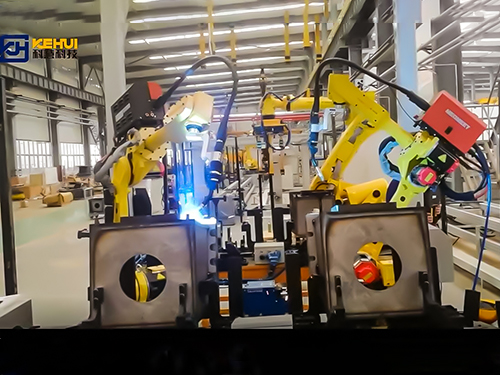
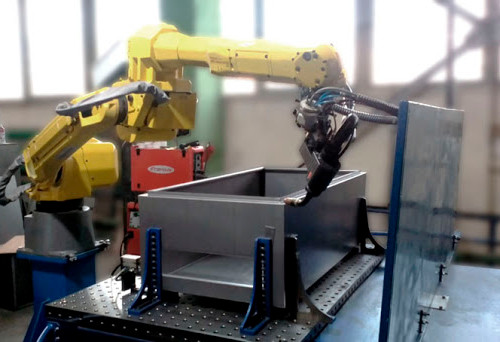
An automated robotic welding system for structural steel is more than an arm and a torch. The complete system includes:
1. Robot arm with sufficient payload (10kg to 50kg) and reach (2m to 3m) 2. Welding power source capable of 400A to 600A for thick plate 3. Wire feeder with push-pull capability for long reach 4. Seam tracking (laser or through-arc) to handle part variation 5. Positioner with servo control and high torque 6. Safety enclosure with light curtains or fencing 7. Offline programming software to minimize production interruption
Each component must be matched to your specific steel structure applications. A robot welding system that works for light gauge will fail on 40mm flange welds. Experienced welding automation integrators specify components that work together, not just individually.
Where Most Automated Robotic Welding Systems Go Wrong
We have been called in to fix dozens of failed automated robotic welding system installations. The root causes are almost always the same:
- Ignoring part variation: The robot welding system was programmed to a perfect CAD model. Real beams are not perfect. Without seam tracking, the robot misses the joint. - Underestimating heat management: Multi-pass welding builds heat. The automated robotic welding system must track interpass temperature and pause if needed. Most do not. - Poor tooling design: The positioner cannot hold the part rigidly. The beam moves during welding. The robot welding system lays down a bead that misses the root. - Inadequate training: The fabricator’s welders never learn to program or maintain the automated robotic welding system. It sits idle after the integrator leaves.
These failures are preventable. The right welding automation integrators anticipate every one.
Real Results: Automated Robotic Welding System in Action
A heavy steel fabricator producing columns for a high-rise building had a bottleneck at the web-to-flange fillet welds. Manual welding took 45 minutes per column. Rework was 12% due to inconsistent penetration.
We designed a robot welding system with a 3m reach arm, a 500A power source, and a 10-ton positioner. The automated robotic welding system now welds each column in 18 minutes. Rework dropped to 3%. The fabricator pays back the investment in 14 months.
The key was not just the hardware. Our team, as welding automation integrators, spent a week on-site training their welders. Now the fabricator’s own team programs new column sizes offline and runs the cell across three shifts.
Why Choose Us as Your Welding Automation Integrators
We have been delivering robot welding system solutions for steel structure fabrication since 1994. That is thirty years of continuous improvement across thousands of installations.
Our automated robotic welding system designs operate in over fifty countries. We hold CE certification and all necessary export documentation. Our engineers travel to your facility for installation, commissioning, and training. We do not disappear after sign-off.
We maintain competitive pricing and short lead times because we know our supply chain and we stock critical components. No excuses. No hidden fees.
When you partner with us, you are not just buying a robot welding system. You are buying decades of welding automation integrators experience, a global support network, and a team that treats your production targets as their own.
Your Next Step
Steel structure fabrication does not have to be slow, inconsistent, or dependent on a shrinking pool of skilled welders. A dedicated robot welding system for steel structure—designed and integrated by proven welding automation integrators—will transform your shop floor.
Send us your beam sizes, material grades, and current weld times. We will respond with a proposal for an automated robotic welding system that fits your budget and delivers measurable ROI.





 Chinese
 English
 OA
OA Current location:
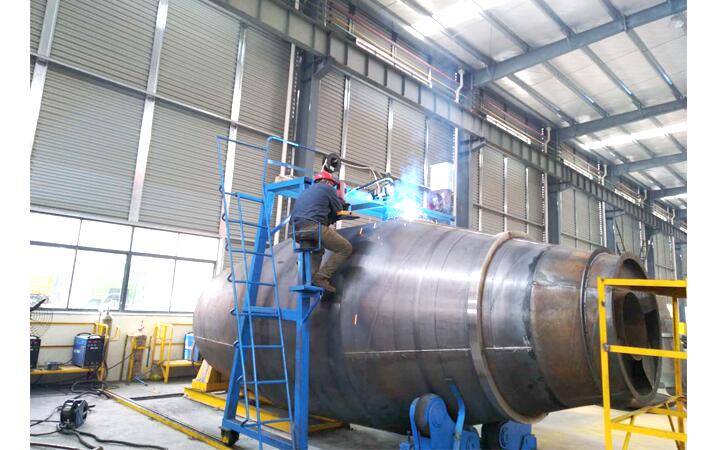 Concrete Mixer Drum Robotic Welding Solutions
 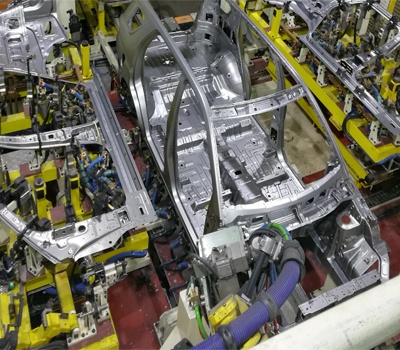 Automobile Body Production Line Welding Fixtures
 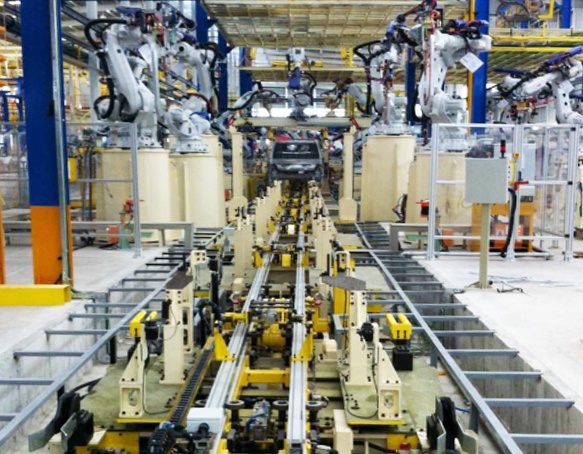 Automotive Body Welding Automated Manufacturing Solutions
 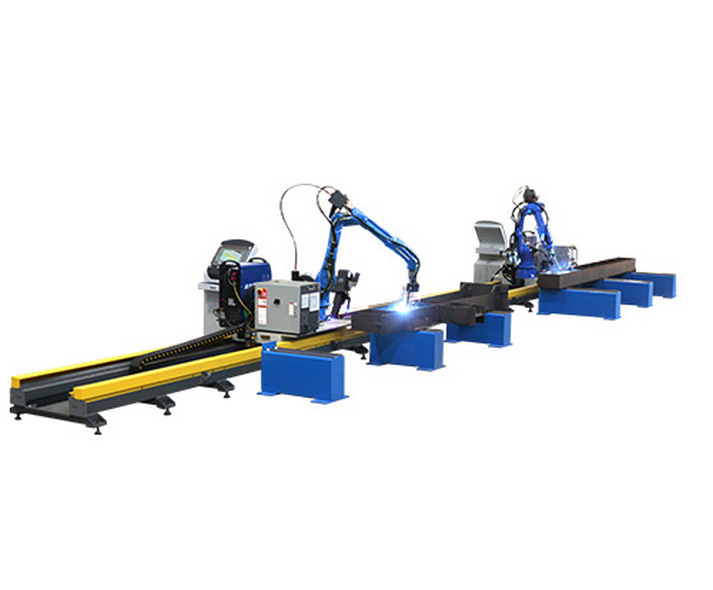 Free-Teaching Programming Welding Robot Cell For I Beam Welding
  No Programming Required Robotic Welding Systems for H beam Welding Line