Automated Drum and IBC Cleaning System for Electrolyte Production in Lithium Battery Manufacturing – A Case Study with Do-Fluoride
2026-05-25 17:44:28
1. Why Leading LiPF₆ Manufacturers Need a Reliable IBC Cleaning System
In lithium battery manufacturing, cleaning containers that hold electrolyte and LiPF₆ is a critical yet challenging task. Moisture-sensitive residues can generate hydrofluoric acid, corroding equipment and endangering operators. An effective IBC cleaning system or IBC tote cleaning system must deliver consistent, corrosion-resistant performance while eliminating manual entry.
Do-Fluoride, a global leader in LiPF₆ with approximately 20% market share and 50,000 tons annual shipments, faced exactly this challenge. Kehui provided a tailored electrolyte drum cleaning solution that transformed their container sanitation process.
2. Do-Fluoride’s Challenge: Electrolyte Drum Cleaning Under Hazardous Conditions
Do-Fluoride needed to clean hundreds of drums and IBC totes daily after containing LiPF₆ crystals and electrolyte films. Existing manual methods had three major issues:
Inconsistent cleaning – operators varied in technique, leaving residues
Safety risks – workers entered confined spaces with hazardous chemicals
Low throughput – cleaning cycles could not keep pace with production
The company required a chemical drum cleaning system that could handle aggressive residues, operate reliably in explosive atmospheres, and adapt to slightly deformed containers. Additionally, the solution had to integrate with Do-Fluoride’s existing electrolyte handling system infrastructure.
3. Kehui’s Corrosion Resistant Cleaning System for Hazardous Chemical Container Cleaning
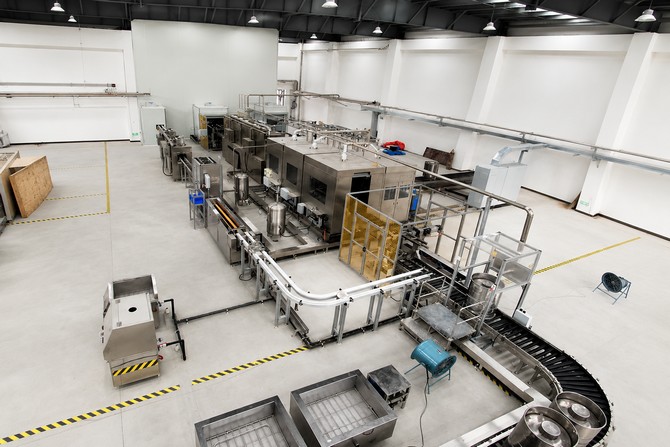
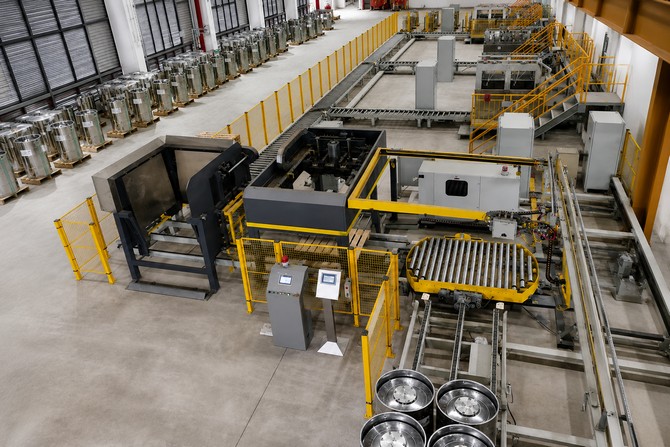
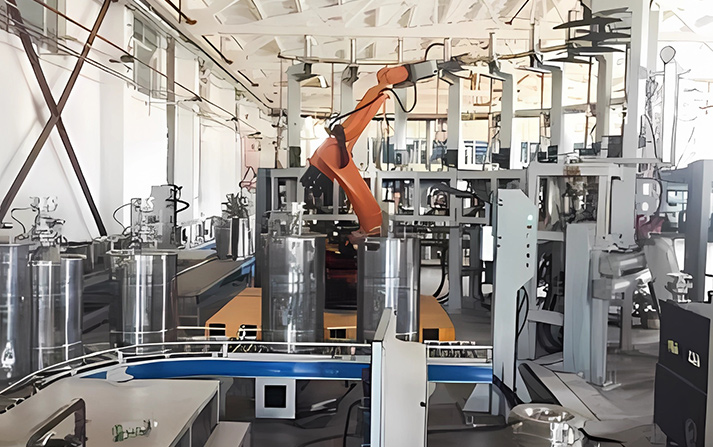
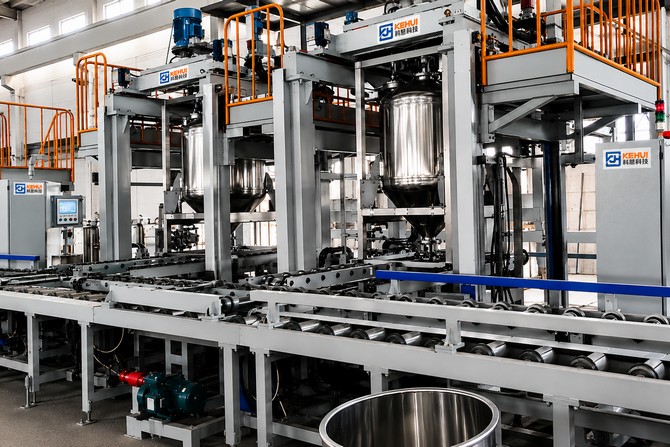
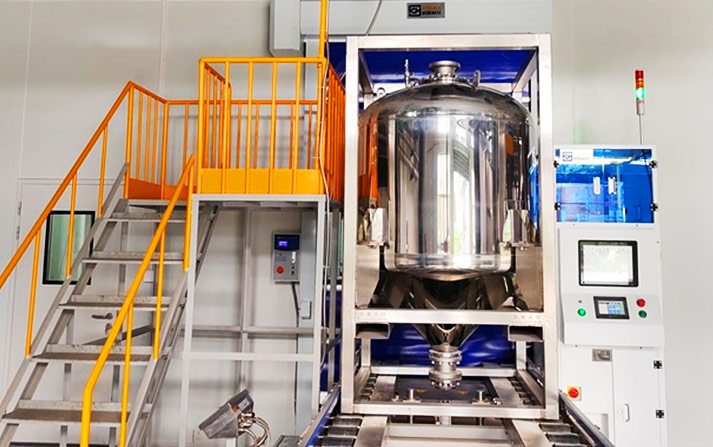
Kehui designed and installed an automated hazardous chemical container cleaning production line featuring a robotic manipulator. Key elements include:
Robotic interior cleaning – A 6-axis arm enters each drum through the bung, following a 3D path to spray high-pressure wash at precisely calculated angles, ensuring 100% coverage of concave bottoms and ribbed walls.
Corrosion resistant cleaning system – All wetted parts are PTFE-lined or Hastelloy C276, resisting HF attack even after thousands of cycles.
Closed-loop solvent recovery – For electrolyte drum cleaning, the system recirculates DMC or EMC, condensing vapors and returning solvent to the tank, reducing consumption by over 50%.
Sealed inert operation – The cleaning chamber maintains a dry nitrogen atmosphere with dew point below -45°C, preventing moisture-induced HF formation.
Recipe-based control – Do-Fluoride can store cleaning profiles for different drum types and residue levels, with full data logging for quality audits.
The IBC cleaning system also accommodates 275–330 gallon IBC totes with a simple nozzle adapter changeover. For heavily crystallized LiPF₆, a pre-rinse stage dissolves salts before the main caustic wash, further protecting downstream equipment.
4. Measurable Gains in Lithium Battery Manufacturing Through Automation
Lower solvent usage – Closed-loop recirculation reduced DMC consumption by approximately 55%
Audit-ready documentation – Each cycle generates a report with temperature, pressure, and humidity data, supporting regulatory compliance
According to public information, Do-Fluoride’s LiPF₆ shipments continue to grow, and the company has filed multiple utility patents related to automated barrel cleaning—a strong indicator of their commitment to advanced electrolyte handling system technology.
5. Conclusion: A Proven Chemical Drum Cleaning System for Electrolyte Drum Cleaning
Do-Fluoride’s success demonstrates that a well-designed chemical drum cleaning system can overcome the toughest challenges in lithium battery manufacturing. For manufacturers seeking a corrosion resistant cleaning system that improves safety, consistency, and throughput, Kehui’s automated IBC cleaning system and IBC tote cleaning system provide a proven, referenceable solution.
Contact Kehui to discuss how our electrolyte drum cleaning technology can optimize your container management.





 Chinese
 English
 OA
OA Current location:
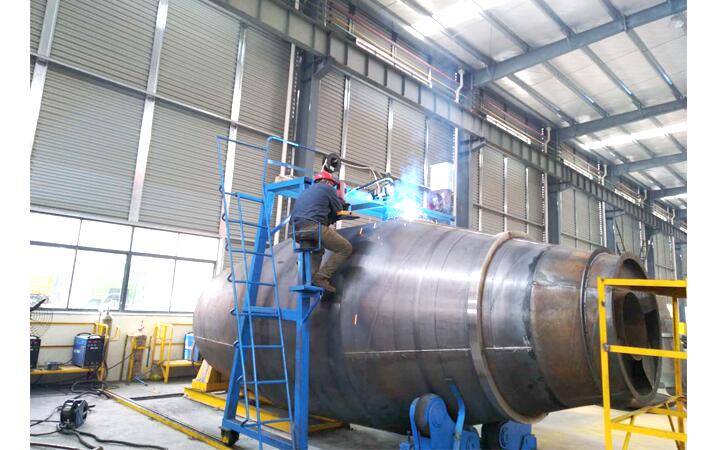 Concrete Mixer Drum Robotic Welding Solutions
 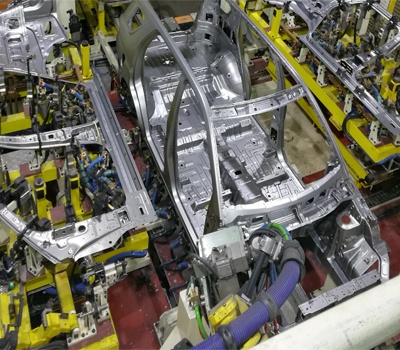 Automobile Body Production Line Welding Fixtures
 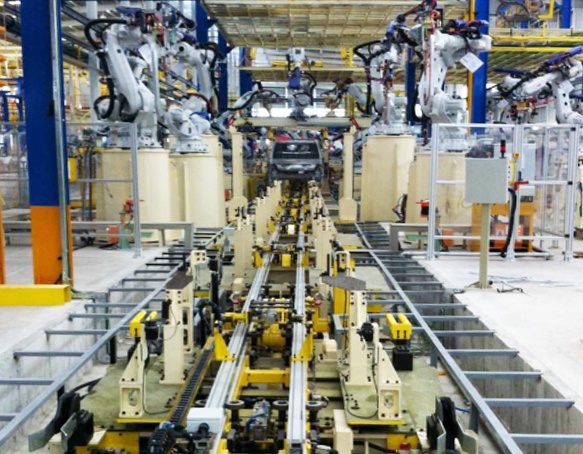 Automotive Body Welding Automated Manufacturing Solutions
 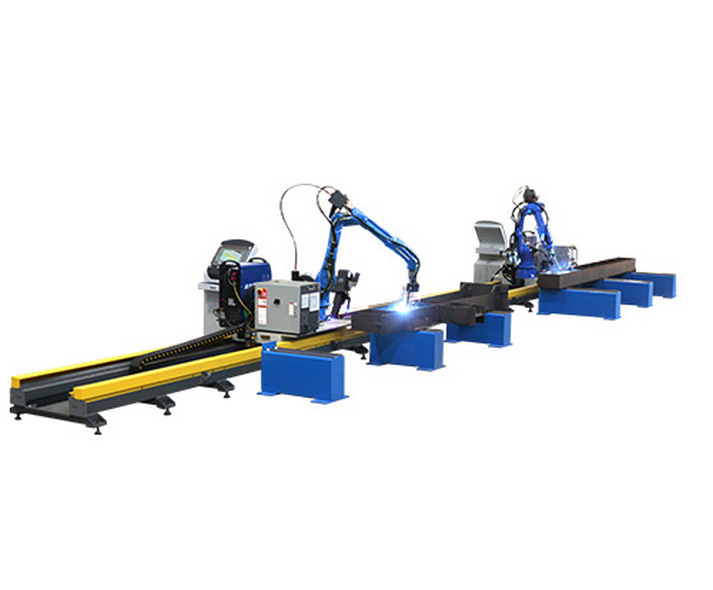 Free-Teaching Programming Welding Robot Cell For I Beam Welding
 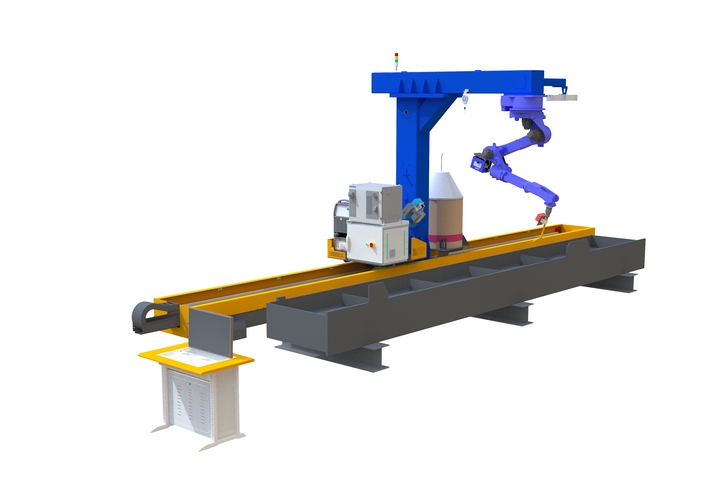 No Programming Required Robotic Welding Systems for H beam Welding Line