+86 15633683072
If you have started researching automation for your welding shop, you have probably asked this question more than once. The short answer: anywhere from $50,000 to over $2 million. That is a wide range, and it leaves most buyers confused.
The real answer depends on what you need to weld, how many parts you run, and how much integration your current factory requires. In this guide, we break down robotic welding systems cost in 2026, explain what drives welding robot price, and show where robotic welding integration fits into the budget. We will also look at automated welding lines and how experienced welding automation companies help you spend wisely.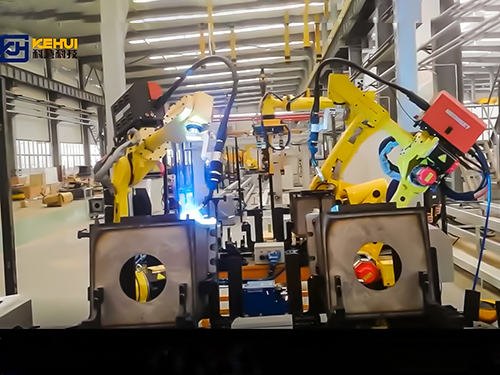
A simple ready‑to‑weld cell that handles small steel brackets might cost $50,000‑$70,000. A multi‑robot automated welding line for heavy equipment frames can exceed $1.5 million. Both are robotic welding systems, but their components, capabilities, and integration complexity are completely different.
The biggest mistake buyers make is focusing only on the welding robot price. The robot arm itself is often less than a third of the total project cost. The rest goes into peripherals, tooling, software, and most importantly – robotic welding integration that makes the cell work with your specific parts and production flow.
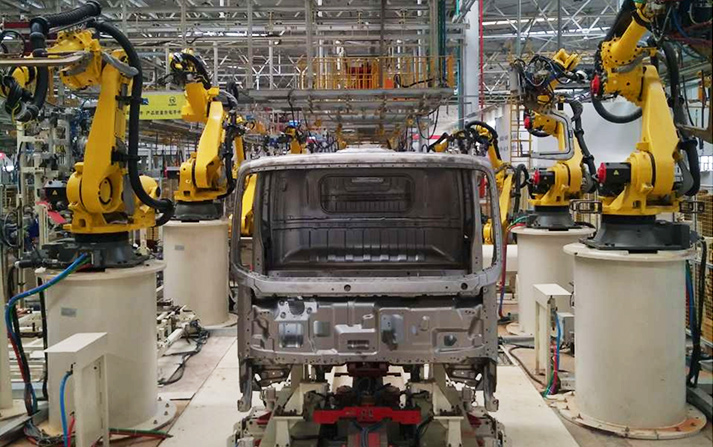
A new six‑axis industrial welding robot from a major brand typically costs between $25,000 and $70,000 depending on payload and reach. This is what most people call the welding robot price. But a robot without a torch, wire feeder, or programming software cannot weld anything.
A complete welding package – power source, wire feeder, torch, and cooling system – adds $15,000 to $40,000. For high‑amperage applications (thick plate, aluminum), expect the higher end.
A servo‑driven positioner that rotates your part during welding costs $20,000 to $80,000. Custom fixtures to hold your specific parts can add another $10,000 to $50,000. Cheap tooling is the fastest way to turn a robotic welding system into an expensive disappointment.
Safety fencing, light curtains, and area scanners add $10,000 to $30,000. In some countries, CE‑rated safety systems are non‑negotiable.
If your parts vary in fit‑up or dimension (and they always do), you need seam tracking. Laser or through‑arc tracking systems add $8,000 to $25,000. Without them, the robotic welding systems cost is wasted on a robot that cannot follow a warped joint.
Offline programming software (OSP) lets you create and simulate weld paths on a computer, not on the factory floor. Licenses range from $5,000 to $20,000. For job shops that run many different parts, OSP is essential.
This is where robotic welding integration separates successful automation from failed projects. A qualified integrator will spend weeks – not days – designing the cell, testing your parts, commissioning the equipment, and training your team. Integration costs typically add $30,000 to $100,000 depending on complexity.
Many welding automation companies quote low integration fees and then hit you with change orders. We include detailed integration in our fixed price.
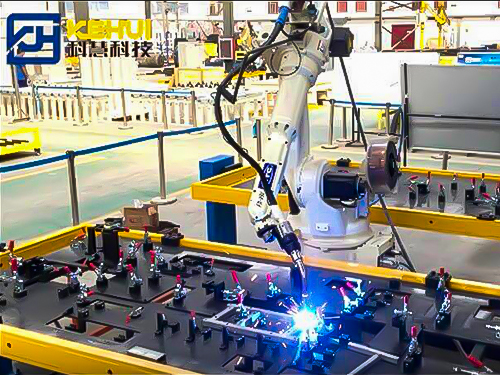
| Application | Configuration | Typical Total Investment |
| Small job shop cell (brackets, light fabrications) | One robot, manual load/unload, basic positioner | $50,000 – $70,000 |
| Medium production cell (automotive components, structural parts) | One robot, servo positioner, seam tracking, OSP | $100,000 – $150,000 |
| Heavy fabrication cell (thick plate, multi pass) | One large robot, heavy positioner, through arc sensing, advanced cooling | $180,000 – $250,000 |
| Multi robot automated welding lines (high volume, mixed models) | 2 4 robots, conveyors, fleet management software, full safety integration | $500,000 – $2,000,000+ |
Note: These robotic welding systems cost figures are for complete, production‑ready installations including integration and training. Currency is USD.
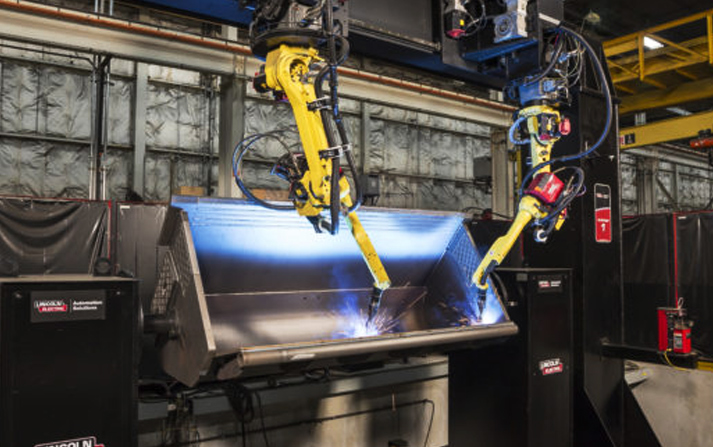
Two companies can buy identical robot arms. One pays $70,000 for the **welding robot price** and another $150,000 for everything else. The other pays the same $70,000 but only $80,000 for integration. The first company ends up with a cell that runs three shifts with 97% first‑pass yield. The second company has a robot that crashes, produces inconsistent welds, and sits idle after six months.
The difference is robotic welding integration quality. Skilled welding automation companies invest time upfront to understand your parts, your material variation, and your operators’ skill level. They design automated welding lines that adapt to real‑world conditions. They train your existing welders to become robot programmers.
Cheap integration is expensive in the long run. Good integration makes robotic welding systems cost pay back faster.
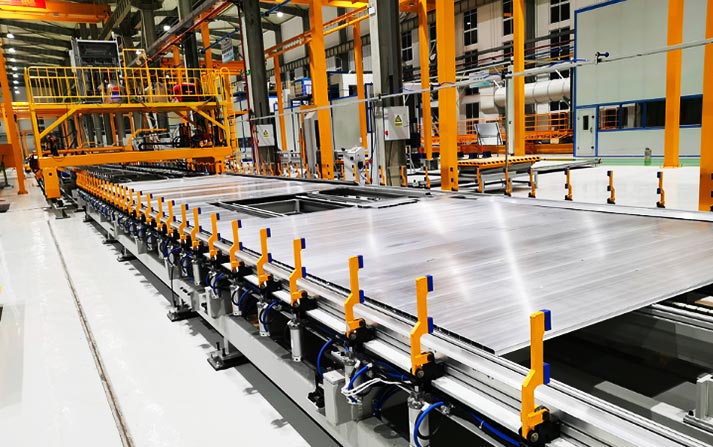
Step 1: Identify your bottleneck weld – the joint that takes the most time or causes the most rework.
Step 2: Calculate your current labor cost per weld. Include not just weld time but also part handling, fit‑up, and rework.
Step 3: Get a fixed‑price proposal from a specialized welding automation companies provider. Look for a partner that offers:
Process testing on your actual parts
Fixed timeline with clear milestones
On‑site training and post‑commissioning support
CE certification and global export capability if needed
Step 4: Compare total cost of ownership, not just the welding robot price. Consider maintenance, consumables, and expected lifespan of 10+ years for well‑integrated systems.
We have been delivering robotic welding systems since 1994 – three decades of designing, integrating, and supporting automated welding lines across more than fifty countries. We have completed projects in Ireland, Indonesia, the Philippines, the United Kingdom, France, Bulgaria, Saudi Arabia, and many more.
We do not manufacture robots. We integrate them. We select the right arm from ABB, FANUC, Yaskawa, or KUKA based on your application, not on a distributor’s inventory. Then we build the complete cell: positioners, seam tracking, safety, and data logging.
Our engineers travel to your site for installation, commissioning, and training. We hold CE certification and maintain documentation for international projects. Our pricing is competitive, and our lead times are short because we maintain inventory and know our supply chain.
When you partner with us, you are not just buying a welding robot price tag. You are buying three decades of robotic welding integration experience that turns your welding operation into a reliable, high‑output profit center.
In 2026, a complete entry‑level robotic welding cell costs approximately $50,000 – $70,000. A medium‑volume production cell ranges from $100,000 to $150,000. Heavy‑duty cells for thick plate or large parts run $180,000 – $250,000. Full automated welding lines with multiple robots can exceed $500,000 and reach over $2 million for very high‑volume or complex applications. Every project is unique – these ranges include the robot, welding equipment, positioners, tooling, safety, software, and robotic welding integration services.
The main factors are: part size and weight (determines robot reach and payload), material type and thickness (drives power source and cooling needs), required throughput (single shift vs 24/7), fit‑up consistency (need for seam tracking), existing factory layout (integration complexity), safety and certification requirements (CE, ISO 3834), and the experience of welding automation companies performing the integration. Ignoring any of these leads to cost overruns.
The welding robot price itself varies by brand, but brand typically accounts for less than 20% of total project cost. A premium brand may cost $10,000‑$20,000 more than an economy model, but the total robotic welding systems cost is dominated by peripherals, tooling, and integration. More important than brand is the quality of robotic welding integration – a well‑integrated mid‑range robot will outperform a poorly integrated premium robot every time.
A single robotic welding system can replace three to four manual welders across two shifts, reducing direct labor cost per part by 60‑80%. More importantly, it eliminates the need to find skilled welders in a tight labor market. In addition, rework labor typically drops by 50‑70%, and supervisors are freed to focus on value‑added tasks. The exact savings depend on your current weld times and defect rates.
Most well‑integrated robotic welding systems achieve payback in 12 to 24 months. For high‑volume automated welding lines, payback can be as short as 9‑12 months. ROI calculations should include: direct labor savings, reduced rework and scrap, lower consumable costs (consistent technique extends torch life), higher throughput (robots run during breaks and between shifts), and the ability to accept contracts that require 100% weld traceability.
Yes – if the robotic welding integration is done properly. A well‑designed cell includes extra I/O, network connectivity, and physical space for future additions. Common upgrades include: adding a second positioner, integrating a vision system, installing offline programming software, connecting the cell to a manufacturing execution system (MES), or adding collaborative safety features. We always design automated welding lines with future scalability in mind. However, cheap integrators often build dead‑end systems. Choose welding automation companies that think long‑term.
Ready for an exact quote? Send us your part drawing, material type, and monthly volume. We will respond with a fixed price for a robotic welding system designed for your floor. No surprises. No hidden fees. Just three decades of robotic welding integration experience delivered globally.
Zhengzhou Kehui Technology Co., Ltd
Email: info@zzkehui.com





 Chinese
 English
 OA
OA Current location:
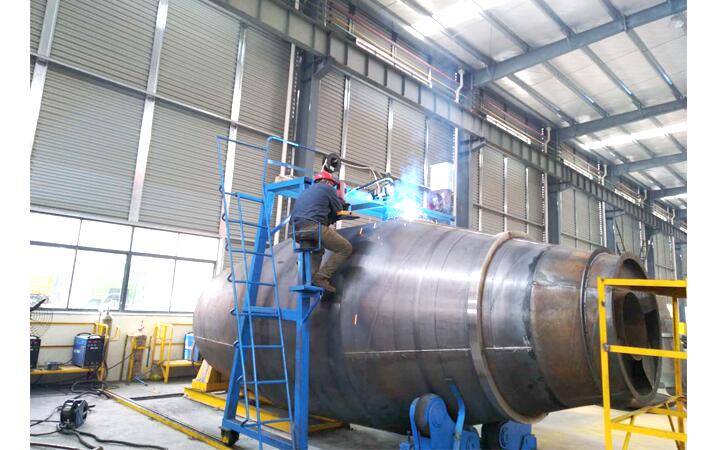 Concrete Mixer Drum Robotic Welding Solutions
 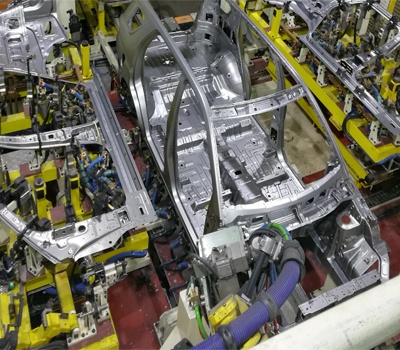 Automobile Body Production Line Welding Fixtures
 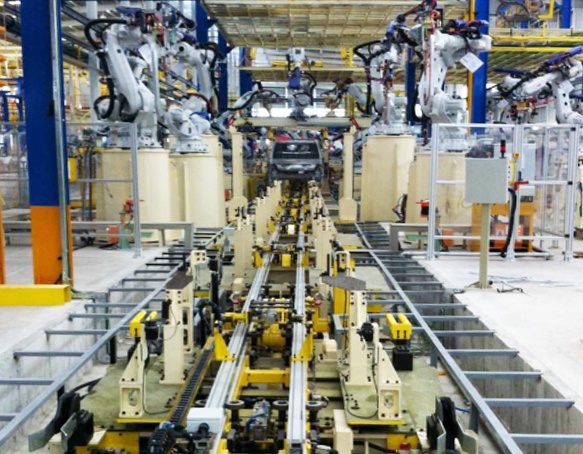 Automotive Body Welding Automated Manufacturing Solutions
 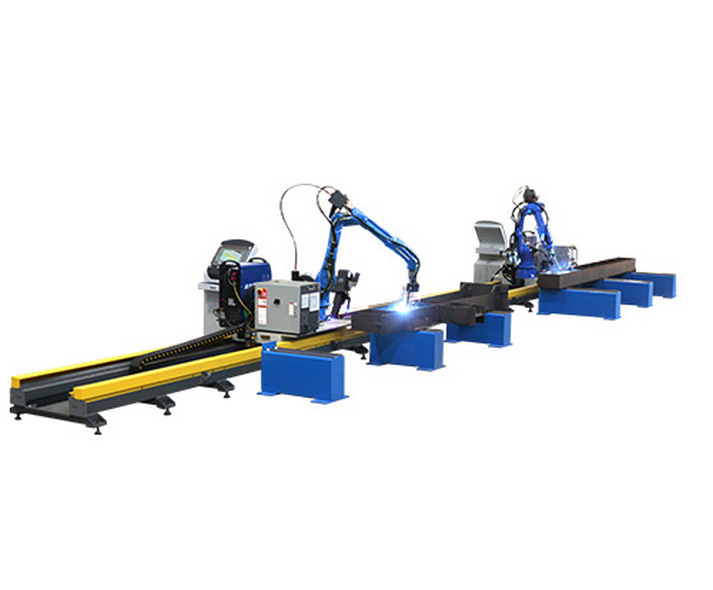 Free-Teaching Programming Welding Robot Cell For I Beam Welding
 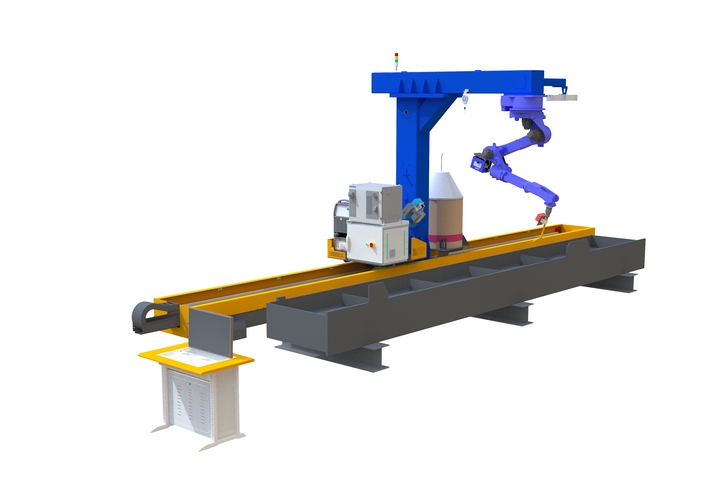 No Programming Required Robotic Welding Systems for H beam Welding Line