+86 15633683072
Ask any production manager who has deployed welding robots, and you will hear a split opinion. Some swear by them. Others swear at them. The truth about robotic welding advantages and disadvantages is rarely about the robot brand. It is about everything surrounding the robot.
After thirty years of fixing other people’s automation projects, we have seen the same pattern repeat. A manufacturer buys a premium robot from a top brand. The robot sits on the floor. The welds look terrible. The manager blames the robot.
Ninety percent of the time, the robot is fine. The problem is integration.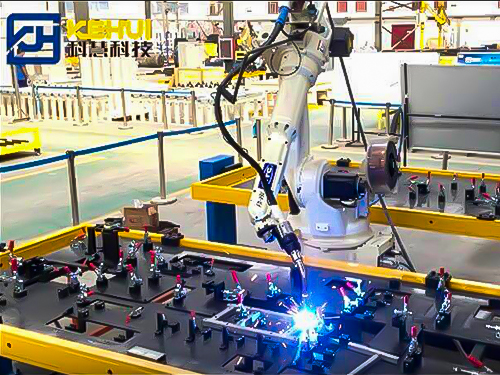
Let us be honest about robotic welding advantages and disadvantages. When welding robots fail to deliver, the disadvantages seem obvious:
Welds are inconsistent
Parts do not fit the fixtures
The robot crashes into the part
Programming takes forever
The cell sits idle after the integrator leaves
But look closer. Inconsistent welds usually mean the robotic welding solutions were never validated on real parts. Parts not fitting fixtures means the tooling was designed for perfect CAD models, not actual stampings. Crashes happen when the automated welding solutions lack collision detection or proper work envelopes.
The robot itself? It is doing exactly what it was told. The problem is the integration.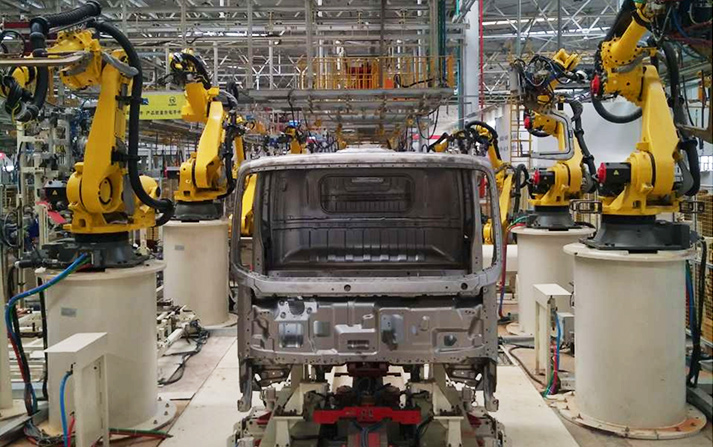
Our field service logs over three decades tell a clear story. Roughly 70% of the issues that bring a welding robot to a halt come from five areas:
1. Fixtures and tooling – Parts shift, clamps loosen, locators wear. A robot cannot weld what it cannot hold.
2. Positioners – Undersized or poorly controlled positioners move during welding, ruining torch alignment.
3. Welding process parameters – Voltage, wire feed, travel speed, and gas flow must match the joint. Generic parameters fail on real parts.
4. Production line layout – Poor part flow, long changeovers, and bad ergonomics for loading/unloading kill throughput.
5. Integration capability – The integrator did not understand how to make the robot work with your specific parts, materials, and operators.
Notice what is not on that list. Robot brand. Robot speed. Robot repeatability. Those are rarely the culprit.
This is why choosing the right automated welding systems integrator matters more than choosing the robot color.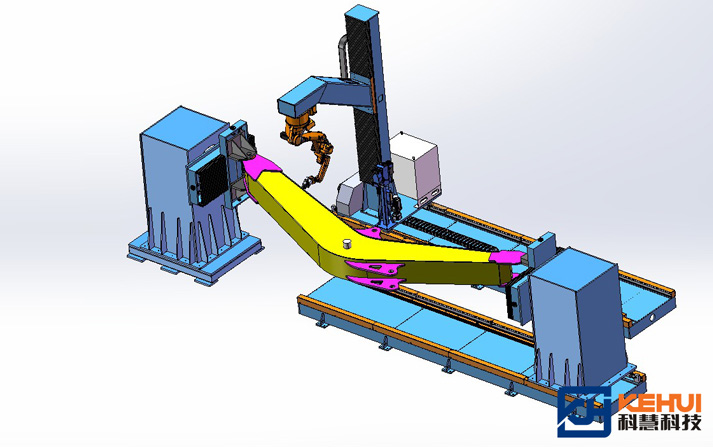
When integration is done right, the robotic welding advantages and disadvantages swing heavily in favor of automation. The advantages become undeniable:
Consistent quality: Every weld meets the same standard, shift after shift
Higher throughput: Robots do not take breaks, get distracted, or slow down at the end of a shift
Lower rework: First-pass yield above 95% is routine with proper robotic welding solutions
Better working conditions: Welders move from the smoke and heat to programming and supervision
Data collection: Every weld parameter is logged for traceability and continuous improvement
These advantages do not come from the robot. They come from automated welding solutions that are designed around your parts, your people, and your production reality.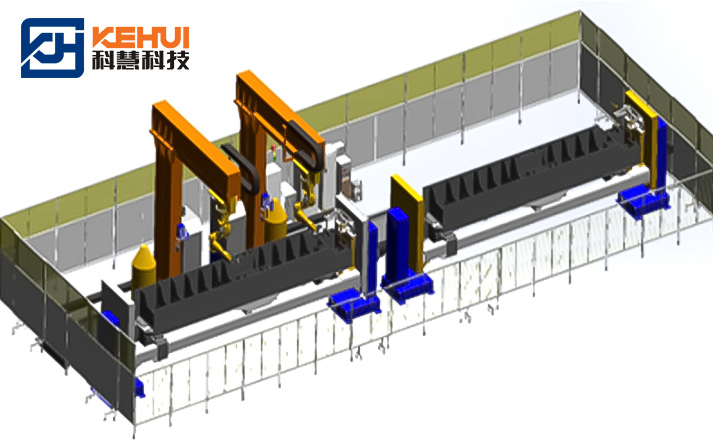
Consider two identical robots. One sits in a lab, welding perfect test coupons. The other runs three shifts in a real factory. The difference is the automated welding systems integrator who bridges the gap between theory and practice.
A competent integrator does not just sell hardware. They:
Audit your current process to find the real bottlenecks
Develop welding procedures for your specific material grades
Design fixtures that hold your parts despite natural variation
Program the robotic welding solutions offline to minimize downtime
Train your team to operate, maintain, and optimize the system
Provide ongoing robotic welding integration services when something unexpected happens
Without these steps, the robot is just an expensive paperweight.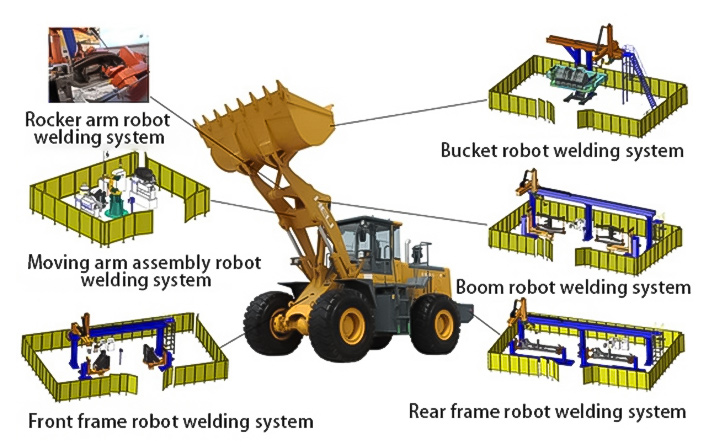
Not every integrator who claims to offer automated welding solutions actually understands welding. Many come from general industrial automation and treat welding as just another process. It is not.
When evaluating an automated welding systems integrator, ask:
Do you have metallurgical expertise on staff?
Can you show me cross-sections of welds on my material?
How do you handle part variation without expensive fixturing?
What robotic welding integration services do you provide after installation?
Will you train my existing welders to program the robot?
The best automated welding solutions providers will answer these questions with specific examples, not marketing slides.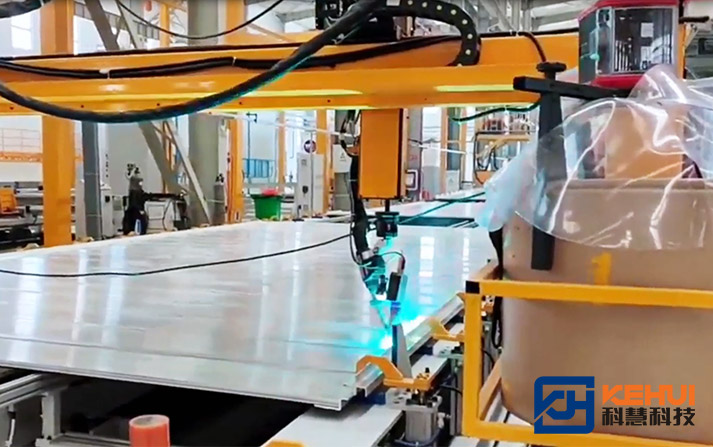
We have been called in to rescue dozens of failed projects. The manufacturer bought a top-tier robot from a reputable brand. Then they hired the lowest-bidder integrator or tried to build the cell themselves.
The result? Months of delays, thousands of hours of frustration, and a robotic welding solutions cell that never ran at target. In every case, the robot was fine. The automated welding solutions were flawed because the integrator did not understand welding.
Choosing the right automated welding systems integrator upfront costs less than fixing a failed project later. Far less.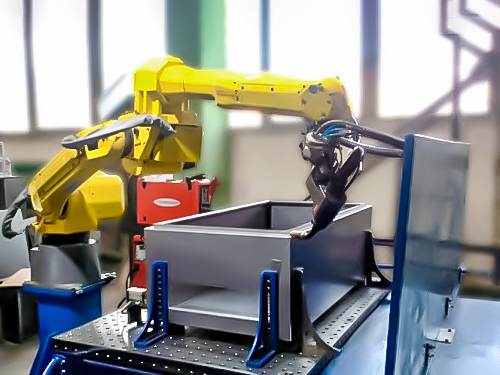
We have been delivering robotic welding solutions since 1994. That is thirty years of learning what works and what fails. Our automated welding solutions have been deployed in over fifty countries, from automotive assembly to heavy equipment fabrication to shipbuilding.
We are not a robot reseller. We are an automated welding systems integrator who starts with your parts, your materials, and your production targets. Only then do we select the robot that fits.
Our robotic welding integration services include on-site engineering for installation, commissioning, and training. We do not disappear after the check clears. We hold CE certification and all required export documentation. Our pricing is competitive. Our lead times are short because we maintain inventory and know our supply chain.
When you work with us, you are not buying a robot brand. You are buying three decades of integration expertise that turns automated welding solutions into profitable production cells.
The debate about robotic welding advantages and disadvantages misses the point. The robot is rarely the problem. The integration is. Choose your automated welding systems integrator more carefully than you choose your robot brand.
Or better yet, choose an integrator who has been doing this since before most of today’s robot brands were popular. Choose us.
Send us your part drawing and production volume. We will show you robotic welding solutions that work—not in a lab, but on your floor.
Zhengzhou Kehui Technology Co., Ltd
Email: info@zzkehui.com





 Chinese
 English
 OA
OA Current location:
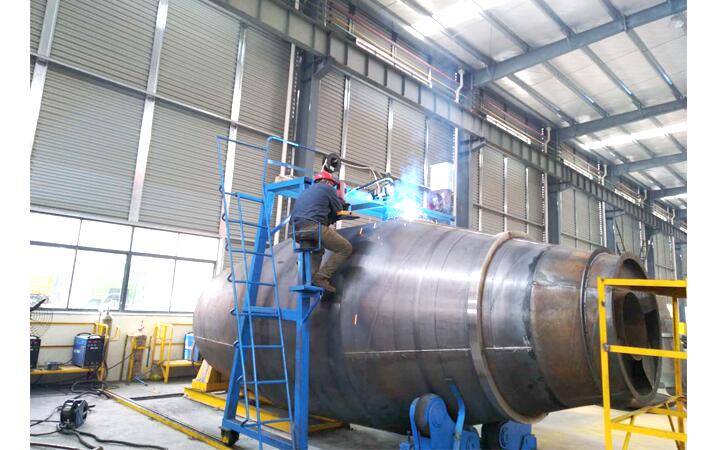 Concrete Mixer Drum Robotic Welding Solutions
 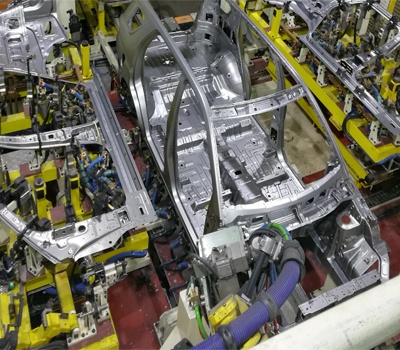 Automobile Body Production Line Welding Fixtures
 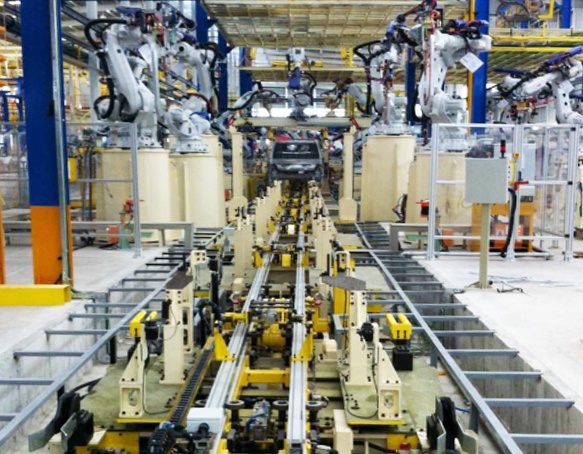 Automotive Body Welding Automated Manufacturing Solutions
 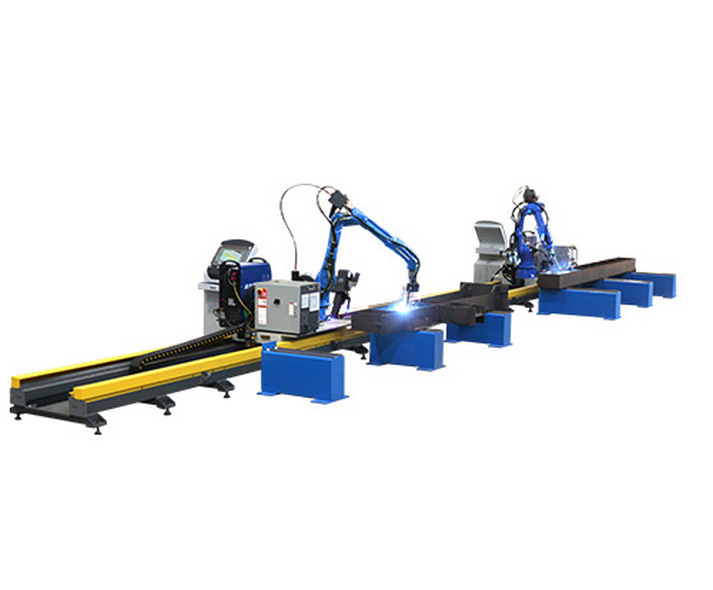 Free-Teaching Programming Welding Robot Cell For I Beam Welding
 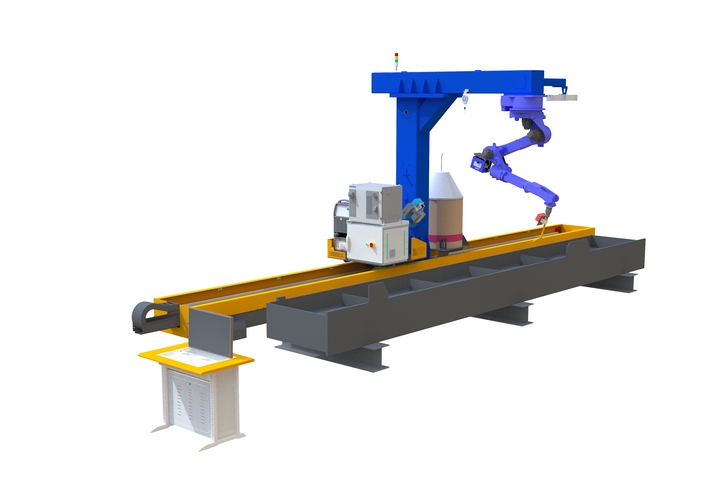 No Programming Required Robotic Welding Systems for H beam Welding Line