+86 15633683072
Factories are turning to robots because they have no choice. The skilled welders are retiring. The parts are getting more complex. The customers demand perfect welds every time. And the numbers work—a robotic welding line typically pays for itself in 12 to 18 months.
But the full answer is more interesting. Let us break it down.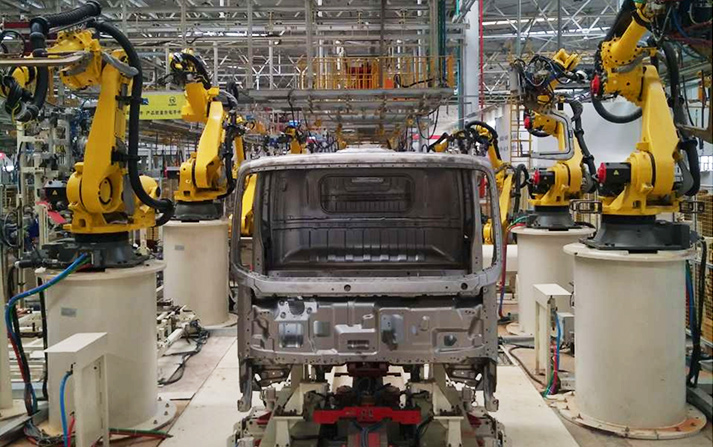
Walk into any manufacturing plant today. You will see factory automation everywhere. But not the old kind—rigid machines bolted to the floor. The new kind is flexible. A single automated welding cell can switch between different parts in minutes. One robotic welding line can run three different products in the same shift.
This flexibility is why manufacturing automation is spreading so fast. It no longer requires high volumes to make sense.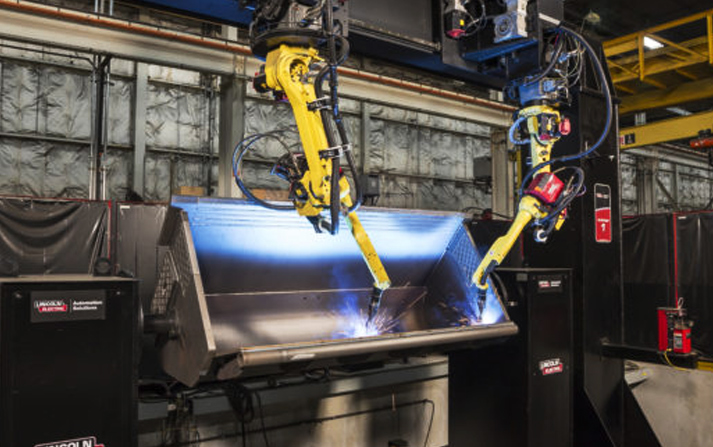
Answer: Three ways.
First, labor. One automated welding cell running two shifts replaces three to four manual welders. With the current shortage of skilled welders, that is not about firing people—it is about filling positions you cannot hire for.
Second, rework. Manual welding typically has a first-pass yield of 80-85%. A well-designed robotic welding line achieves 95-98%. That means less grinding, less rewelding, less scrap.
Third, throughput. A manufacturing automation cell runs during breaks, between shifts, and overnight. The same floor space produces two to three times more parts.
Example: A heavy equipment fabricator installed one of our automated welding cell systems. Their weld time per bucket dropped from 4 hours to 2 hours. That is 2,000 more buckets per year from the same floor space.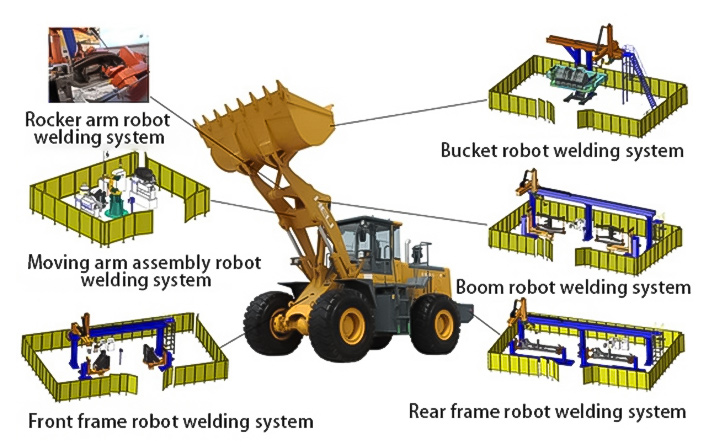
Answer: Four components working together.
| Component | Why It Matters |
| Robot arm | Reach and payload for your largest parts |
| Positioner | Rotates workpieces to ideal welding angle |
| Seam tracking | Follows joints even when parts warp |
| Safety system | Protects operators without slowing production |
But the real difference is not hardware—it is integration. A great automated welding cell is designed around your specific parts. Generic cells fail. Custom cells run.
This is where robotic welding cell manufacturers separate themselves. Some sell off-the-shelf boxes. Others, like us, build cells that match your material, your joint types, and your production volume.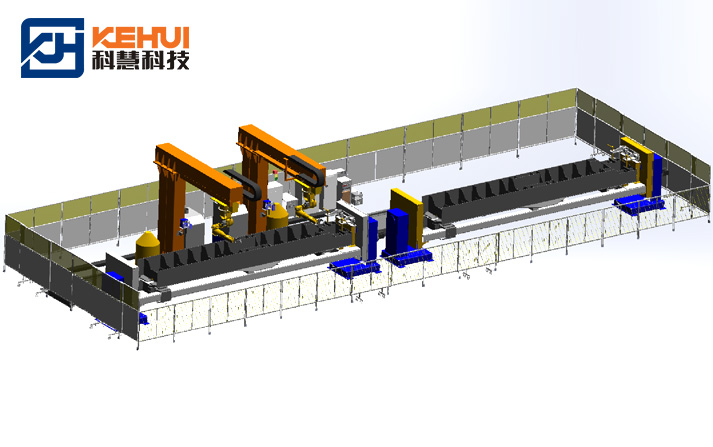
Answer: Three forces converged.
Labor shortage: The average welder in many countries is over 55. Young workers prefer programming over grinding.
Quality standards: Automotive, aerospace, and structural steel codes demand traceability. A robotic welding line logs every weld parameter automatically.
Cost of robots: Factory automation equipment has dropped in real terms while becoming more capable. Vision systems that cost $50,000 a decade ago now cost $8,000.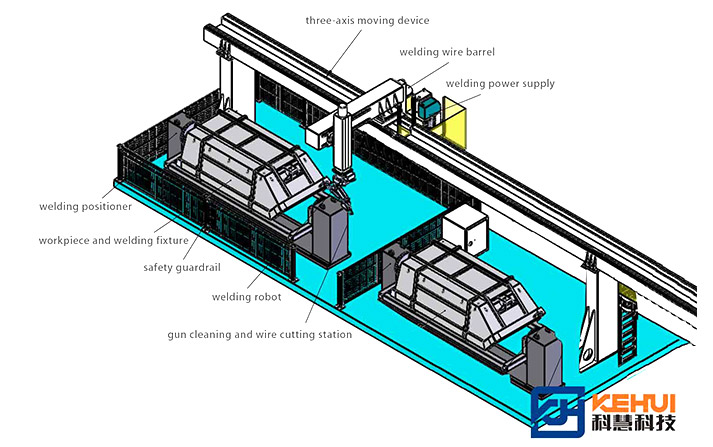
Answer: Five things.
Process experience – Have they welded your material before? Ask to see cross-sections.
In-house testing – Do they run your parts in their lab before shipment?
Training – Will they teach your existing welders to program the cell?
Global support – Can they send engineers to your site, wherever you are?
Certifications – CE marking and export documentation should be standard.
We have been doing all five since 1994. Our robotic welding cell manufacturers team has delivered automated welding cell and robotic welding line systems to over fifty countries. We hold CE certification. Our engineers travel to your facility for installation, commissioning, and training.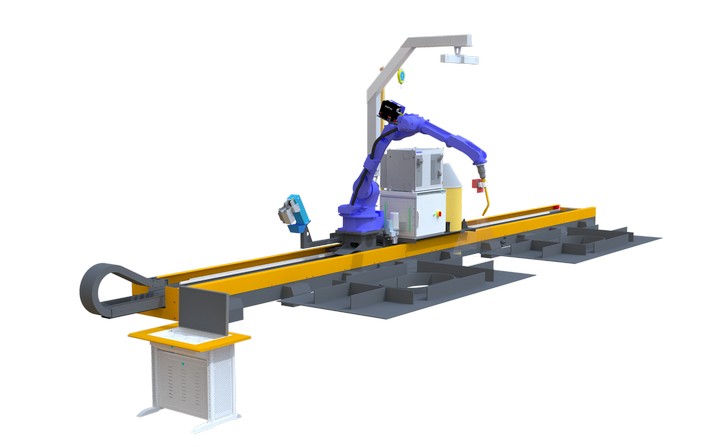
Answer: No. That is an old myth.
Small and medium shops benefit as much as large ones. A single automated welding cell can handle a job shop's mixed production. Offline programming lets you create new part programs without stopping the robotic welding line.
One of our customers has only 15 employees. They run two automated welding cell systems. Their manufacturing automation allows them to compete for contracts they could never touch with manual welding.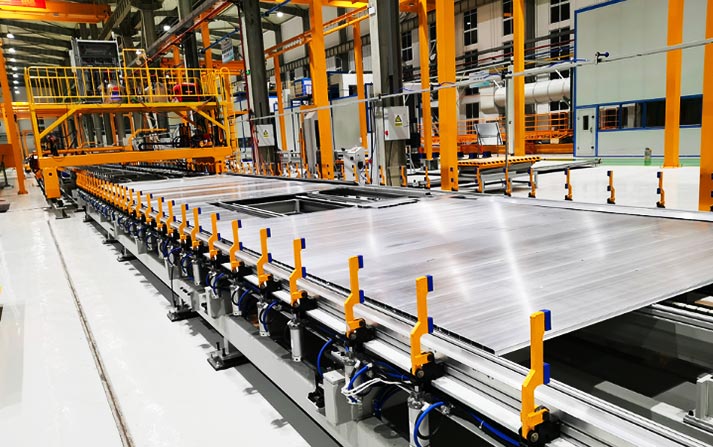
Answer: Three costs that surprise buyers.
Tooling: Fixtures and positioners often cost as much as the robot. Cheap fixtures = bad welds.
Programming time: If the robotic welding line is hard to reprogram, it will not be used for short runs.
Maintenance: Electrodes, torch parts, and wire feeders wear. Factor that into your ROI.
A qualified automated welding cell integrator will lay out these costs upfront. We do.
Because manufacturing automation works. Because factory automation is more affordable and flexible than ever. Because a robotic welding line or automated welding cell from the right robotic welding cell manufacturers solves real problems—labor, quality, throughput—without creating new ones.
We have been building these solutions since 1994. Over fifty countries. CE certified. On-site engineering. Competitive pricing. Short lead times.
You have questions about robotic welding line, automated welding cell, or manufacturing automation for your shop. We have answers. Real answers, from three decades of floor experience.
Send us your part drawings and volumes. Let us show you what a properly integrated robotic welding line can do.
Zhengzhou Kehui Technology Co., Ltd
Email: info@zzkehui.com





 Chinese
 English
 OA
OA Current location:
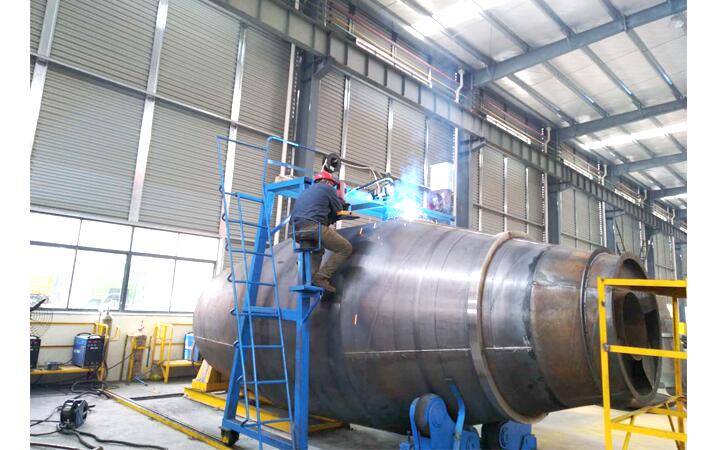 Concrete Mixer Drum Robotic Welding Solutions
 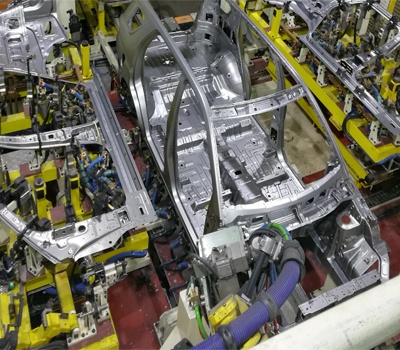 Automobile Body Production Line Welding Fixtures
 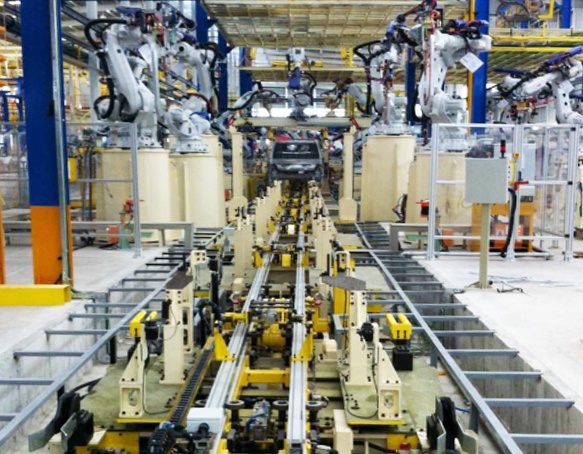 Automotive Body Welding Automated Manufacturing Solutions
 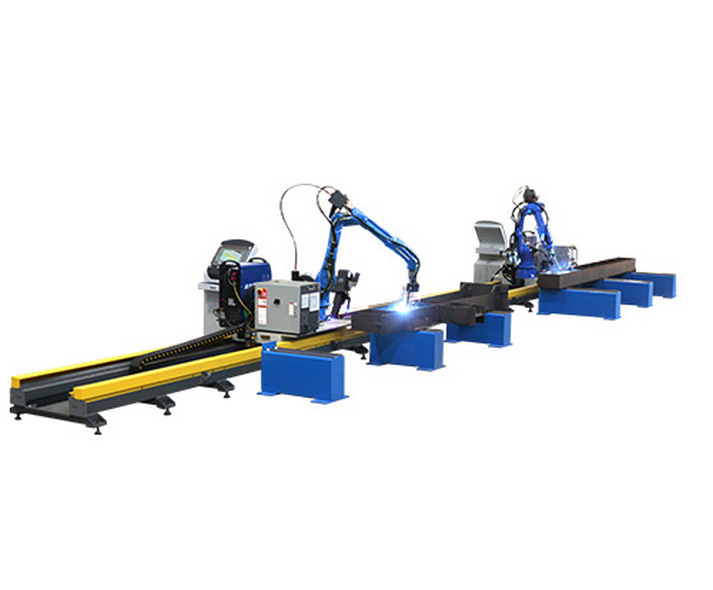 Free-Teaching Programming Welding Robot Cell For I Beam Welding
 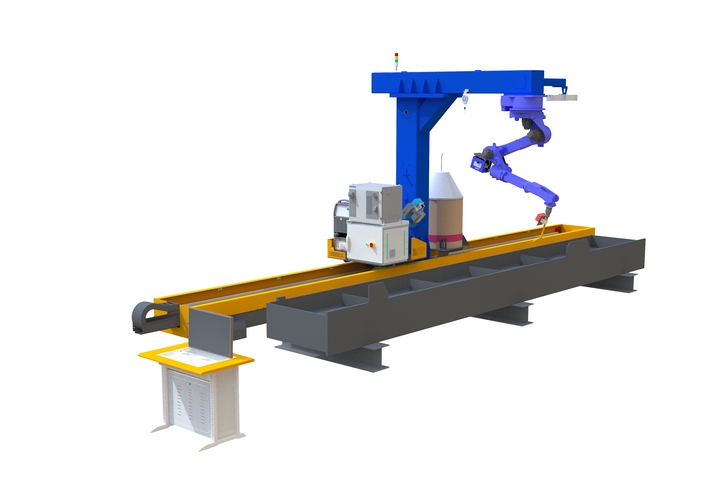 No Programming Required Robotic Welding Systems for H beam Welding Line