+86 15633683072
In a semiconductor fab, a leak is bad. But particle contamination is worse. A leak you can detect. Particles? They kill wafers silently, unpredictably, and in massive quantities.
Manual welding of gas and chemical lines introduces three specific sources of particle contamination: weld spatter (beads/blobs), oxide scale (discolored root), and tungsten inclusions (metal fragments). Each of these can shed particles into the gas stream for years.
This is why fabs have switched to automated joining. A modern orbital welding system – specifically a closed‑head orbital tube welding machine – eliminates those contamination sources. But only if the orbital welding procedures are written correctly.
Here’s how orbital welding system technology reduces particle contamination, and why your orbital welding procedures must address three hidden threats.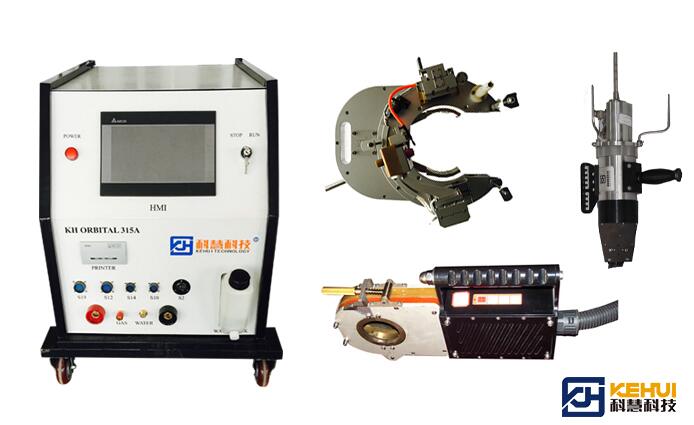
Manual TIG welding often produces small spatter balls – molten metal that flies off the arc and sticks to the tube ID. Even a single 50‑micron spatter ball can land on a wafer and ruin a die.
A closed‑head orbital tube welding machine contains the arc inside a sealed chamber. The orbital welding system controls the arc so precisely that spatter is virtually eliminated. The orbital welding procedures specify a soft start, ramp‑up, and stable transfer – no violent arc initiation.
We’ve qualified orbital tube welding machine procedures for major fabs that require zero spatter detectable under 10x magnification. Manual welding cannot meet that.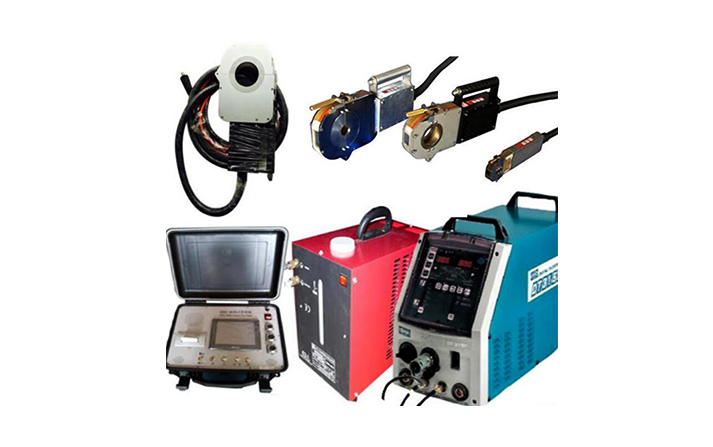
Oxide scale is chromium oxide that forms when hot stainless steel is exposed to oxygen. It flakes off over time, becoming a continuous source of particles.
An orbital welding system with a closed head purges the weld zone with inert gas until oxygen is below 50 ppm. The orbital tube welding machine maintains that atmosphere during and after the arc. The orbital welding procedures also control heat input – excessive heat accelerates oxidation.
The result is a silver or pale‑straw root, not blue or grey. No oxide flakes. No particle source.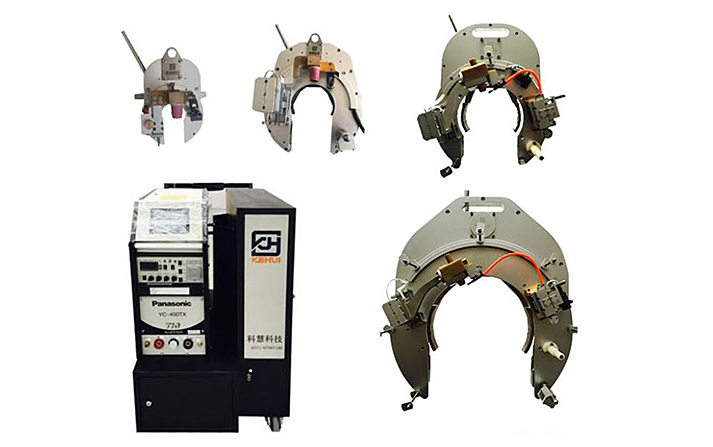
Manual welders occasionally dip the tungsten into the weld pool. The tungsten tip breaks off and becomes embedded in the weld. That hard metal fragment can break loose later and travel downstream.
An orbital welding system keeps the tungsten at a fixed distance from the workpiece. There’s no “dip.” The orbital tube welding machine also monitors arc voltage to detect any deviation that might indicate tungsten contact. The orbital welding procedures mandate a tungsten change schedule, not “when it looks bad.”
A semiconductor facility that adopts orbital welding system technology – with qualified orbital welding procedures on a closed‑head orbital tube welding machine – can reduce particle contamination to near zero. No spatter. No oxide. No tungsten bits.
We’ve been building these systems since 1994, shipping to fabs in over fifty countries. Our orbital tube welding machine (KHGC) is designed specifically for high‑purity stainless steel tube welding. And our orbital welding procedures are qualified on your tube, in your cleanroom environment.
Because in a fab, the most expensive thing isn’t the tool – it’s the wafer killed by a particle you never saw coming.
Zhengzhou Kehui Technology Co., Ltd
Email: info@zzkehui.com





 Chinese
 English
 OA
OA Current location:
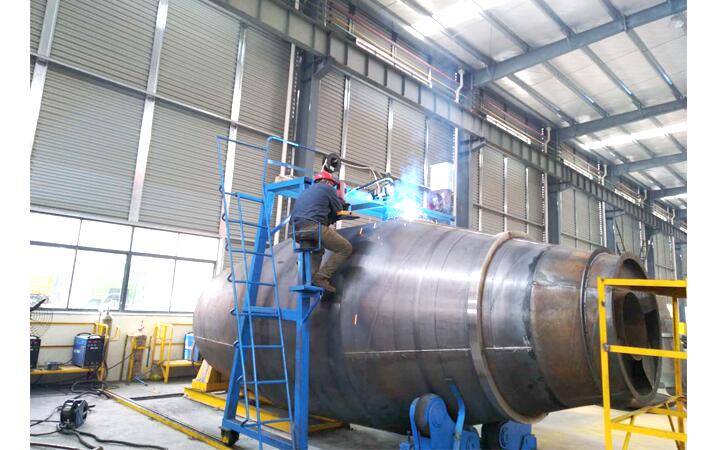 Concrete Mixer Drum Robotic Welding Solutions
 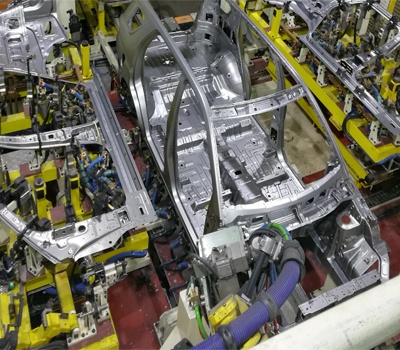 Automobile Body Production Line Welding Fixtures
 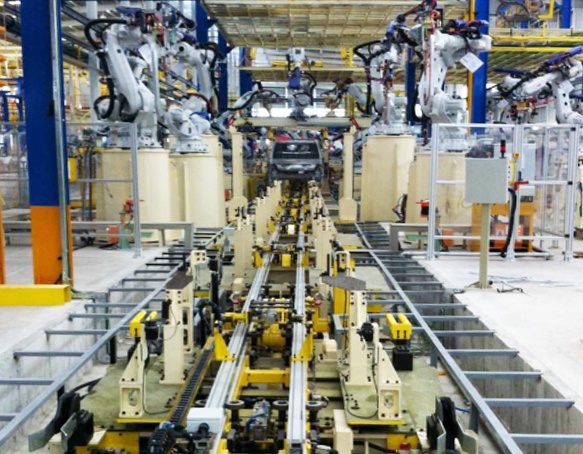 Automotive Body Welding Automated Manufacturing Solutions
 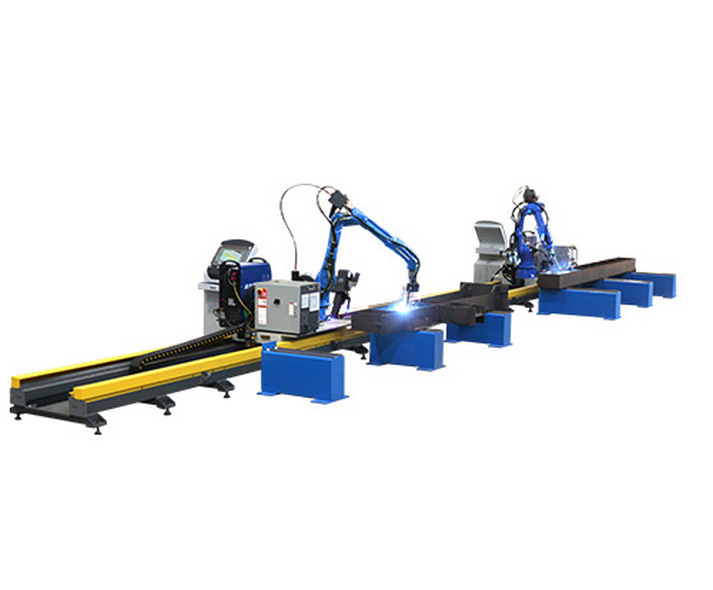 Free-Teaching Programming Welding Robot Cell For I Beam Welding
 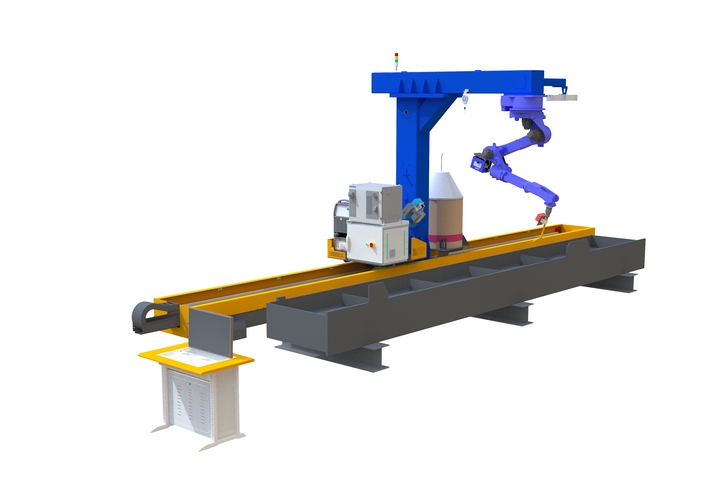 No Programming Required Robotic Welding Systems for H beam Welding Line