+86 15633683072
Walk into any pipe fabrication shop and you'll see the same debate playing out. What's the right pipe to pipe welding joint for this job? Butt weld? Socket weld? Something else?
The answer isn't always obvious. And choosing the wrong pipe welding joint types can mean leaks, failed inspections, or worse—a joint that fails under pressure.
We've been building orbital pipe welding machine systems since 1994. We've helped pipe welding companies across 50+ countries get their joints right. Here's what you need to know about pipe to pipe welding joint types—from the shop floor, not the textbook.
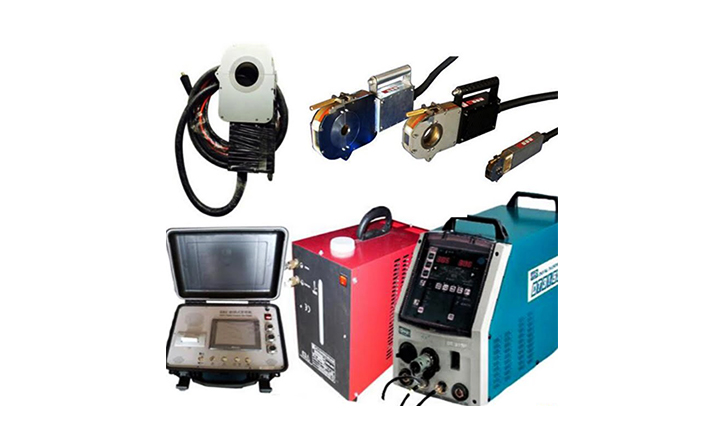
Most piping systems use either butt welds or socket welds. They look similar to the untrained eye, but they're fundamentally different.
A pipe butt welding joint is made by placing two pipe ends directly against each other and welding them together. The pipe ends are beveled—cut at an angle—to create a groove for the weld metal. A small gap (typically 1/16″) is left between the ends, which disappears as the weld is made.
Why pipe welding companies choose butt welds:
Full pipe wall strength. The weld is as strong as the pipe itself.
Smooth bore. No internal restrictions, no turbulence, no crevice corrosion.
Full inspection. Butt welds can be X-rayed or ultrasonically tested (RT/UT).
Any size. From ½″ to 48″ and beyond.
The catch: Butt welds take more skill and more time. Bevel preparation, fit-up, and multi-pass welding all add labor.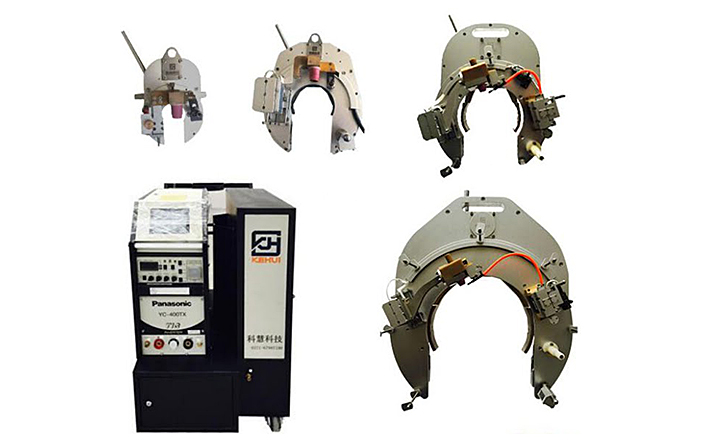
A pipe fillet welding joint, but not quite. In a socket weld, one pipe end is inserted into the socket of a fitting or another pipe. The joint is completed with a fillet weld around the outside.
Why some pipe welding companies choose socket welds:
Faster to weld. A single fillet weld is quicker than a multi-pass butt weld.
No bevel prep. Just insert and weld.
Lower cost fittings. Forged socket fittings are cheaper than butt weld fittings.
Small bore standard. Typically used on pipes 2″ and smaller.
The catches:
Lower strength. Fillet welds don't develop full pipe wall strength.
Crevice corrosion risk. The gap at the socket bottom traps fluid.
No full inspection. X-ray is difficult on fillet welds.
Stress concentration. The fillet weld toe is a stress raiser.
The NPS 2 boundary: Most piping specs switch from socket to butt welds at 2″ pipe. Above that, socket welds are avoided because they can't develop full pipe wall strength and the crevice promotes corrosion in aggressive services.
| Feature | Butt Weld | Socket Weld |
|---|---|---|
| Weld type | Full-penetration groove weld | Fillet weld (external) |
| Strength | Full pipe wall strength | Lower (fillet weld throat) |
| Size range | ½″ to 48″+ | ⅛″ to 4″ (typical limit: 2″) |
| Inspection | RT or UT (full volumetric) | Visual + MT/PT |
| Internal bore | Smooth, continuous | Step at socket bottom |
| Corrosion risk | None | Crevice at socket bottom |
| Fitting cost | Higher | Lower |
| Labor cost | Higher (bevel prep, multi-pass) | Lower (simple fillet weld) |
Bottom line from the shop floor: If you're welding small-bore utility lines (under 2″) where ultimate strength isn't critical, socket welds work fine. For high-pressure, high-integrity, or large-diameter lines, butt welds are the only choice.
Flange to pipe welding is one of the most common applications for fillet welds in piping systems.
Slip-on flanges are attached to pipe with a fillet weld on the outside (and sometimes inside as well). This is faster than welding a weld neck flange (which uses a butt weld), but it doesn't develop full pipe wall strength.
When pipe welding companies choose flange fillet welds:
Low to moderate pressure systems
Non-critical services
Quick assembly is a priority
When they choose weld neck flanges:
High pressure or high temperature
Critical services requiring full inspection
Cyclic loading (fatigue resistance)
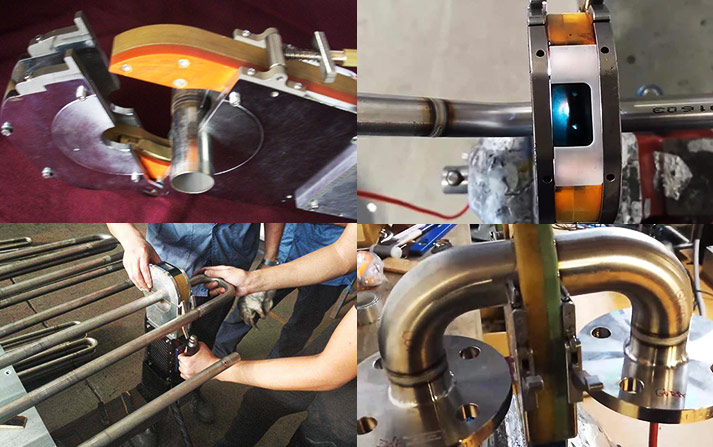
Not all pipe to pipe welding joint preparations are the same. The groove type depends on wall thickness.
| Wall Thickness | Groove Type | Included Angle | Root Gap |
|---|---|---|---|
| Up to 4mm (Sch 5S/10S) | Square butt (no bevel) | 0° | 1.5-2.5mm |
| 4 to 22mm | Single V | 60-75° | 1.5-3.0mm |
| Over 22mm | Compound bevel or U | 10-20° + landing | 2.0-3.0mm |
For orbital pipe welding machine users: The J bevel (U joint) is the preferred preparation. It gives a clean, consistent root with a root face around .060″ and a 20-25° bevel angle. Unlike the V prep, the J prep fits butt to butt with no weld gap. The orbital pipe welding machine can then fill the joint easily, and the Arc Gap Control performs better on the J bevel.
Shop floor truth: An orbital weld is only as good as the prep. Consistency with your bevels leads to better fit-up, which leads to better welds. If you're running an orbital pipe welding machine, invest in proper beveling equipment.
Here's a quick decision guide from our experience with pipe welding companies:
| Application | Recommended Joint | Why |
|---|---|---|
| High-pressure gas/oil pipeline | Butt weld | Full strength, full inspection |
| Small-bore instrument lines (under 2″) | Socket weld | Faster, cheaper, adequate for low stress |
| Sanitary/pharmaceutical tubing | Butt weld (autogenous) | Smooth bore, no crevices |
| Slip-on flange attachment | Fillet weld | Standard practice, quick |
| Thick-wall pressure vessel | Butt weld (U or J prep) | Full penetration, multi-pass capability |
| Utility water lines | Socket weld or butt weld | Depends on size and spec |
| High-purity steam | Butt weld | No crevice corrosion risk |
| Cyclic service (vibration) | Butt weld | Better fatigue life |
For pipe to pipe welding joint applications with high volume or high purity requirements, an orbital pipe welding machine is often the best choice.
Orbital welding uses a specialized machine that clamps the pipe and rotates the welding arc around the joint. It produces consistent, repeatable pipe butt welding joints with minimal operator intervention.
Where orbital pipe welding machine systems excel:
High-purity stainless steel piping (pharmaceutical, semiconductor, food processing)
High-volume production (hundreds or thousands of identical joints)
Tight access (where manual welding is difficult)
Documented quality (data logging for every weld)
Common pipe to pipe welding joint types for orbital welding:
Square butt (thin wall, autogenous welding)
J bevel (thick wall, multi-pass with filler)
V bevel (when welding to fittings with V preps)
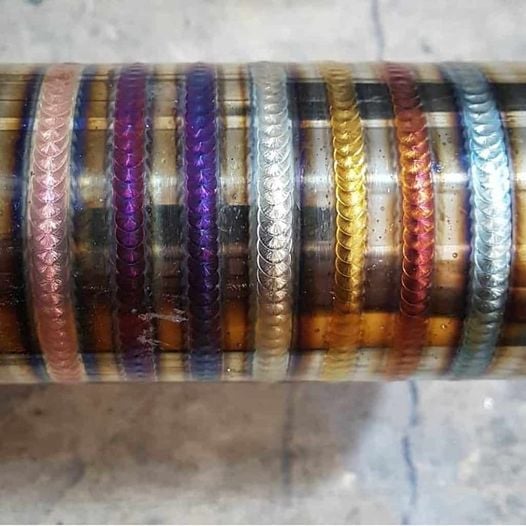
The main pipe welding joint types are butt joints (pipe ends aligned and welded together), socket joints (one pipe inserted into another and fillet welded), and tee/fillet joints (branch connections and flange attachments). ASME Section IX recognizes five basic joint types: butt, corner, tee (fillet), lap, and edge. For piping, butt and socket are the most common.
In a pipe butt welding joint, the pipe ends are placed end-to-end and welded together with a full-penetration groove weld. In a socket weld, one pipe end is inserted into the socket of a fitting and joined with a fillet weld. Butt welds are stronger and can be fully inspected; socket welds are faster and cheaper for small diameters.
A butt weld is stronger. The full-penetration groove weld creates a joint that is as strong as the parent pipe itself. A socket weld uses a fillet weld that does not develop full pipe wall strength. Socket welds also have lower fatigue life—typically 30-50% lower than an equivalent butt weld joint in carbon steel.
Butt welds are the standard for high-pressure piping. They provide full pipe wall strength, can be fully inspected with radiography or ultrasound, and have no internal crevices that could trap fluid or promote corrosion. Socket welds are generally limited to low-pressure utility lines under 2″ diameter.
Yes. An orbital pipe welding machine is specifically designed for pipe to pipe welding joint applications. It produces consistent, repeatable welds on butt joints, particularly in high-purity and high-volume applications. The machine rotates the welding arc around the joint, eliminating the variability of manual welding.
Start with your pipe size and service conditions. For pipes over 2″ or high-pressure/critical service, use butt welds. For small-bore (under 2″) utility lines with low stress, socket welds are acceptable. For flange attachments, consider whether a slip-on flange (fillet weld) or weld neck flange (butt weld) meets your pressure and inspection requirements. And if you're using an orbital pipe welding machine, choose your groove preparation (square, V, or J bevel) based on wall thickness.
Zhengzhou Kehui Technology Co., Ltd
Email: info@zzkehui.com





 Chinese
 English
 OA
OA Current location:
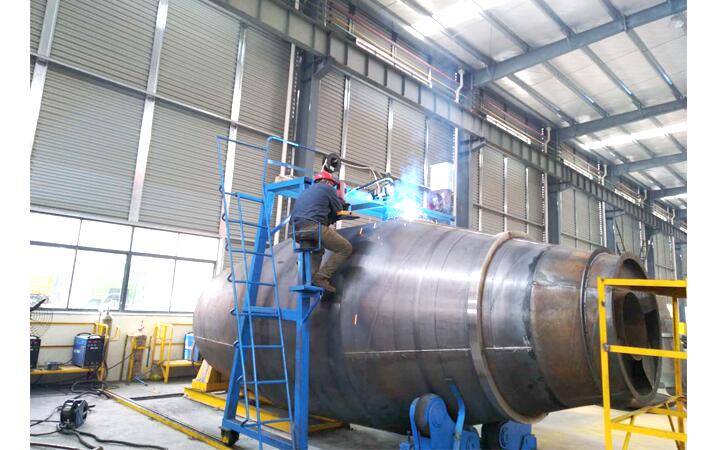 Concrete Mixer Drum Robotic Welding Solutions
 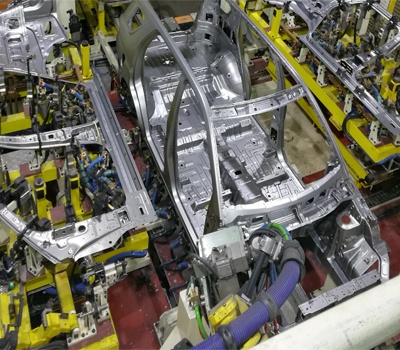 Automobile Body Production Line Welding Fixtures
 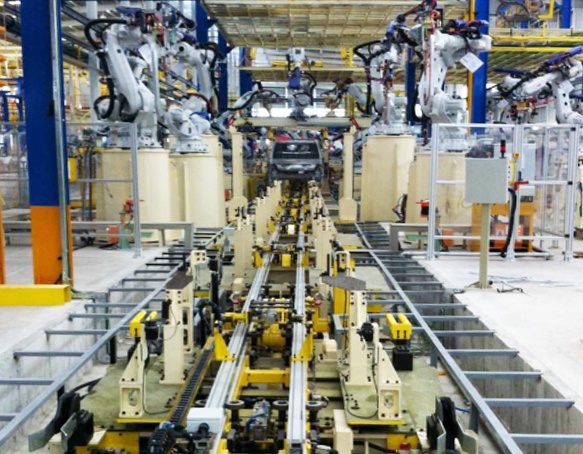 Automotive Body Welding Automated Manufacturing Solutions
 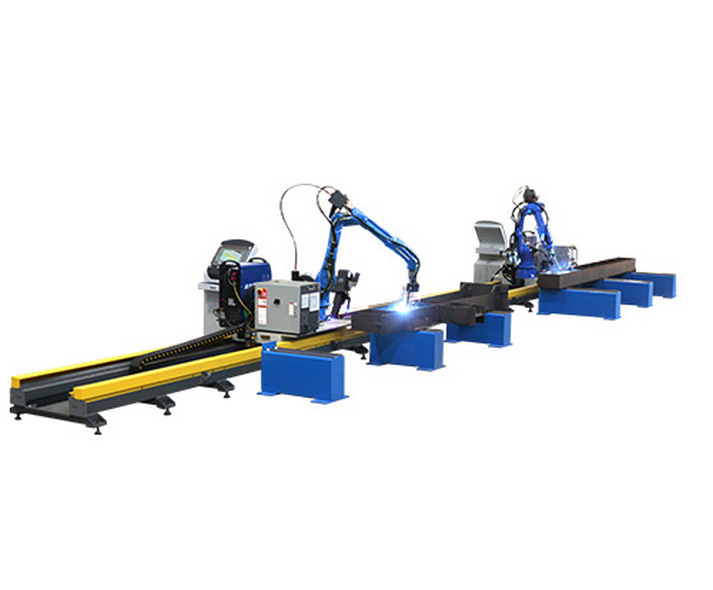 Free-Teaching Programming Welding Robot Cell For I Beam Welding
  No Programming Required Robotic Welding Systems for H beam Welding Line