+86 15633683072
Walk into any heat exchanger fabrication shop, and you'll see the same scene. Rows of tube sheets. Hundreds or thousands of tubes waiting to be welded. The tube-to-tubesheet joint is the heart of the equipment—and the bottleneck in production.
A tube to tubesheet welding machine automates this critical process, delivering consistent, leak-tight welds across thousands of joints. But the machine you need depends entirely on what you're building.
Here's a practical guide to tube to tubesheet welding machine applications across different industries—what equipment gets welded, and how the process actually works on the shop floor.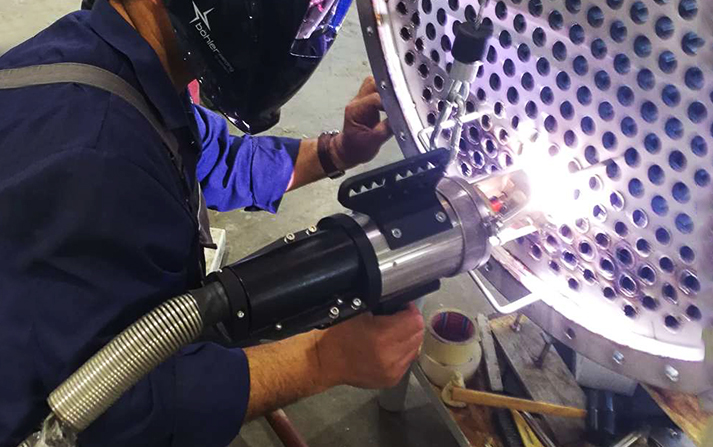
A tube to tubesheet welding machine is an automated orbital TIG (GTAW) welding system designed specifically for welding tubes into tube sheets. The welding head rotates 360° around a stationary tube, depositing a controlled weld with precise heat input, travel speed, and wire feed.
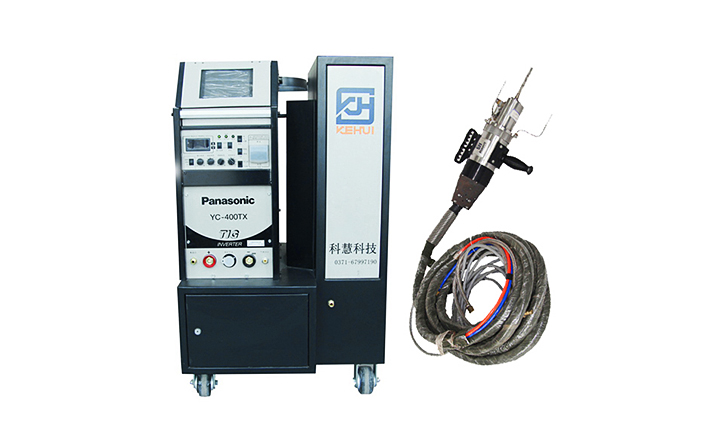
Modern machines like the KHB12-80 handle tube diameters from 12mm to 80mm, with applications extending from 8mm to 180mm in expanded configurations. They use servo drive systems with positioning accuracy as tight as ±0.02mm, ensuring consistent results on tube #1 and tube #2000.
Key applications include:
Flat end connection (flush welding)
Outreach angle connection (outer fillet welding)
Tube projection welding
Recessed tube welding
Now let's look at how this equipment is applied across different industries.
| Industry | Equipment Type | Common Tube Materials | Typical Tube OD Range | Critical Welding Requirement |
|---|---|---|---|---|
| Heat Exchanger Fabrication | Shell & tube heat exchangers, air coolers | Stainless steel, carbon steel, titanium | 12–80mm | Leak-tight seals, corrosion resistance, high-volume repeatability |
| Boiler Manufacturing | Industrial boilers, steam generators, waste heat boilers | Carbon steel, alloy steel | 12–80mm | Pressure-tight joints, thermal cycling resistance, consistent penetration |
| Pressure Vessel Manufacturing | Process vessels, reactors, accumulators | Carbon steel, stainless steel, duplex | 12–80mm | ASME/GB code compliance, full penetration, NDT-ready welds |
| Power Generation Equipment | Condensers, feedwater heaters, nuclear steam generators | Titanium, stainless steel, copper-nickel | 8–180mm | Zero-defect welds, radiation resistance, high-cleanliness |
| Petrochemical Equipment | Reactors, distillation columns, process heat exchangers | Stainless steel, nickel alloys, carbon steel | 12–80mm | Corrosion resistance, high-pressure integrity, dissimilar metal welding |
| HVAC Manufacturing | Chiller condensers, evaporators, cooling coils | Copper, copper-nickel, stainless steel | 8–50mm | Leak-tight refrigeration circuits, consistent fillet welds |
| Pharmaceutical Equipment | Sanitary heat exchangers, process vessels | Stainless steel (316L) | 12–80mm | Smooth, crevice-free surfaces, sanitary finishes, full traceability |
| Food Processing Equipment | Plate heat exchangers, sanitary vessels | Stainless steel (304/316) | 12–80mm | Hygienic welds, bacteria-free surfaces, easy cleanability |
In heat exchanger fabrication, the tube to tubesheet welding machine is used to seal thousands of tubes into the tubesheet. The machine ensures each heat exchanger tube welding joint receives identical heat input, eliminating the variation that plagues manual welding.
A modern tube to tubesheet welding machine stores welding parameters, so tube #1 and tube #2000 look identical under inspection. This repeatability is why most commercial heat exchanger fabrication shops now use automatic tube to tubesheet welding rather than manual methods.
Process: The operator inserts the tube into the tubesheet, positions the welding head, and selects the stored parameter set for that tube diameter and material. The machine rotates the arc 360° around the tube, completing the weld in 30–90 seconds—compared to 2–3 minutes manually.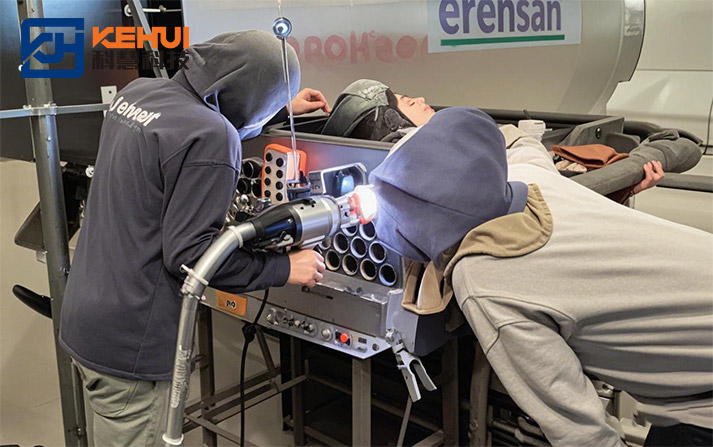
In boiler manufacturing, the tube to tubesheet welding machine faces dense tube patterns and tight angles. Manual welding in these conditions often leads to uneven penetration, overheated tube edges, and inconsistent bead geometry.
The automatic machine stabilizes arc length and rotation speed, ensuring every tube-to-tubesheet joint receives identical heat input. For high-pressure boiler tube welding, a tuned machine can dramatically reduce rework rates, especially on thick tube sheets.
Process: The machine uses orbital welding tube to tubesheet technology, rotating the torch around a fixed tube to keep the weld path perfectly circular—even in cramped boiler tube sheets.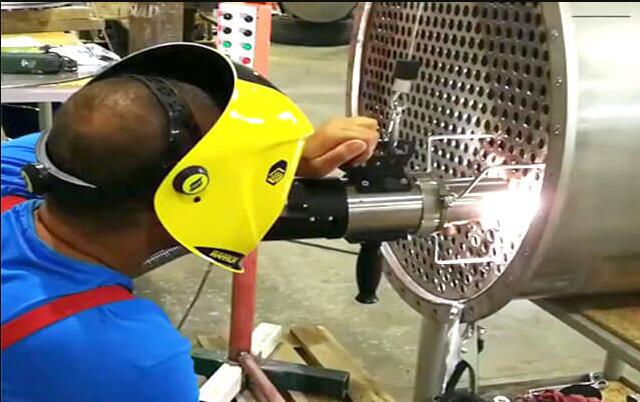
Condensers are widely used in petrochemical, electric power, and refrigeration industries. The working environment involves high temperature, high pressure, and corrosive media—so welding quality requirements are extremely high.
A condenser tube welding machine ensures strength, sealing, and corrosion resistance by precisely controlling welding current, voltage, and speed.
Case example: In one large petrochemical condenser project, an automatic tube sheet welder welded stainless steel tube sheets to copper-nickel alloy tubes. By optimizing welding parameters with TIG technology, the machine completed hundreds of joints in hours—work that would have taken days manually.
In pressure vessel manufacturing, the tube sheet welding for pressure vessels must meet strict code requirements (ASME Section VIII, GB 151). The automatic machine's data logging capability provides full traceability for every weld—critical for audit compliance.
For power generation equipment like nuclear condensers, the tube to tubesheet welding machine often handles titanium alloys. The automatic tube sheet welder can efficiently complete titanium alloy tube sheet welding, ensuring reliability in high temperature, high pressure, and radiation environments.
In pharmaceutical equipment and food processing equipment, sanitary requirements drive the welding process. The tube to tubesheet welding machine produces smooth, crevice-free welds that prevent bacterial growth and maintain product purity. The automatic process also provides complete weld data for regulatory compliance.
| Factor | Manual Welding | Automatic Tube to Tubesheet Welding |
|---|---|---|
| Cycle time per joint | 2–3 minutes | 30–90 seconds |
| Rework rate | 5–10% | Under 2% |
| Consistency | Operator-dependent | Identical on tube #1 and #2000 |
| Documentation | None | Full parameter logging |
| Operator skill required | High | Moderate (setup and monitoring) |
| Fatigue impact | Significant | Minimal |
The benefits are clear: faster production, lower rework, consistent quality, and full traceability. That's why tube to tubesheet welding machine applications continue to expand across industries.
Question 1: What is a tube to tubesheet welding machine used for?
A tube to tubesheet welding machine is used to automatically weld tubes into tube sheets in heat exchangers, boilers, condensers, pressure vessels, and similar equipment. It creates leak-tight, corrosion-resistant joints with consistent quality across thousands of tubes.
Question 2: Which industries require tube to tubesheet welding?
Industries include heat exchanger fabrication, boiler manufacturing, pressure vessel manufacturing, power generation equipment, petrochemical equipment, HVAC manufacturing, pharmaceutical equipment, and food processing equipment.
Question 3: Can one machine weld different heat exchanger types?
Yes. A versatile tube to tubesheet welding machine like the KHB12-80 supports tube diameters from 12mm to 80mm and can handle flat end connection (flat welding) and outreach angle connection (outer fillet welding). Expanded configurations support 8–180mm. The machine stores multiple parameter sets for different tube sizes and materials.
Question 4: What materials are commonly welded?
Common materials include carbon steel, stainless steel (304, 316L), titanium, copper-nickel, and nickel alloys. The machine can also weld dissimilar steels, such as austenitic stainless steel or duplex steel to carbon steel tube sheets.
Question 5: Why is automatic tube to tubesheet welding preferred?
Automatic welding reduces cycle time by 50–75%, cuts rework rates from 5–10% to under 2%, eliminates operator fatigue, and provides full data logging for traceability. The consistency is impossible to achieve with manual methods.
Question 6: How do I choose the right tube to tubesheet welding machine?
Consider your tube diameter range, materials, production volume, and quality requirements. Look for servo-driven positioning (accuracy ±0.02mm or better), parameter storage for different tube sizes, and a manufacturer that provides on-site training and support.
Zhengzhou Kehui Technology Co., Ltd
Email: info@zzkehui.com





 Chinese
 English
 OA
OA Current location:
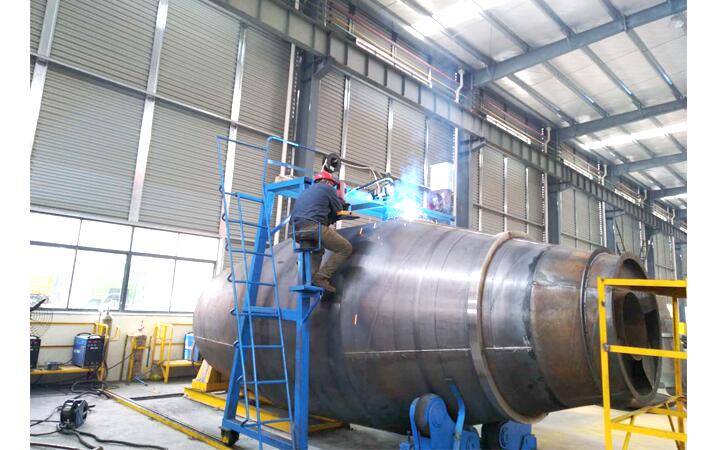 Concrete Mixer Drum Robotic Welding Solutions
 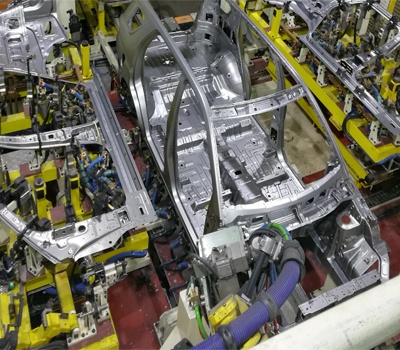 Automobile Body Production Line Welding Fixtures
 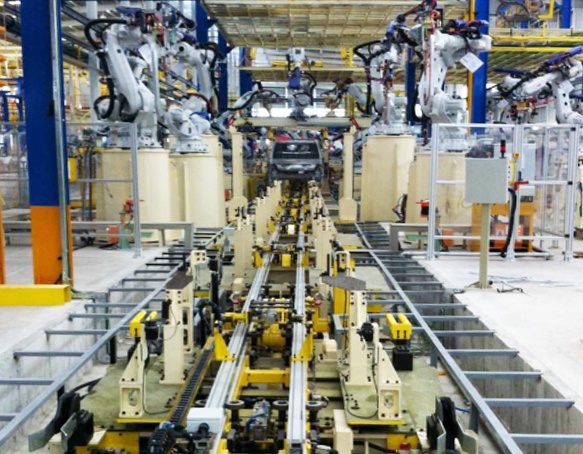 Automotive Body Welding Automated Manufacturing Solutions
 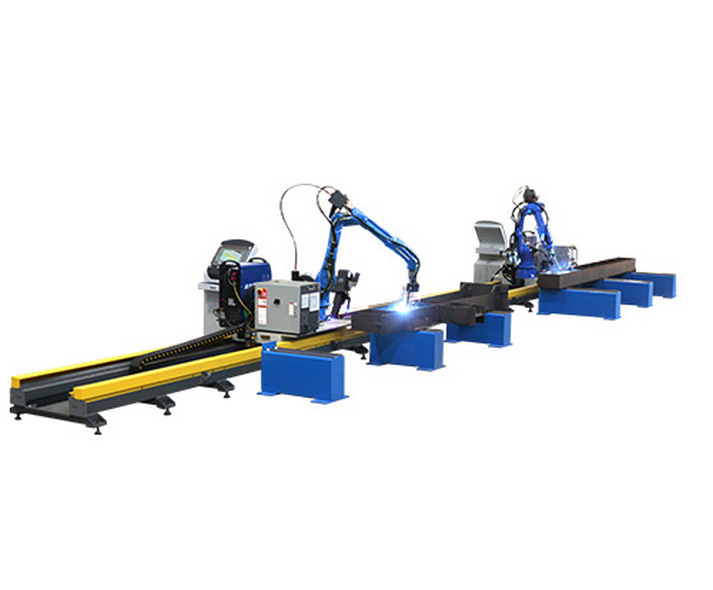 Free-Teaching Programming Welding Robot Cell For I Beam Welding
 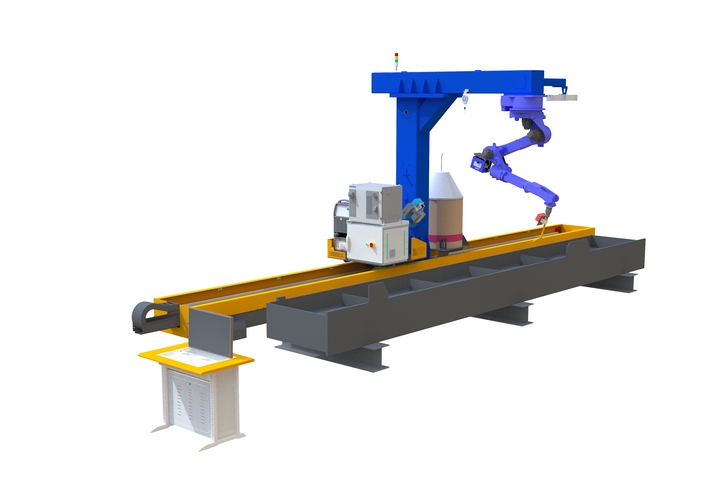 No Programming Required Robotic Welding Systems for H beam Welding Line