+86 15633683072
Walk into any heat exchanger fabrication shop and you'll see the same bottleneck: thousands of tube-to-tubesheet joints, each needing a perfect weld. One bad weld can compromise the entire unit. Manual welding is slow, exhausting, and inconsistent.
The best tube to tubesheet welding machine transforms this tedious process into a repeatable, documented, and efficient operation. Here's what we've learned from three decades of helping heat exchanger fabrication shops choose the right heat exchanger tube welding equipment.
In heat exchanger fabrication, the tube-to-tubesheet joint is the critical seal. It separates shell-side and tube-side fluids. A leak means cross-contamination, reduced performance, or safety failure.
Manual TIG welding has been the standard, but heat exchanger tube welding is uniquely demanding: high tube counts (thousands per unit), tight access, sensitive materials (stainless, titanium, nickel alloys), and zero tolerance for defects.
Manual welders get tired. Torch angle varies. Over thousands of joints, consistency suffers.
Orbital welding tube to tubesheet eliminates human variables. The welding head rotates with fixed arc length, travel speed, and gas coverage. No drift. No fatigue. No variation.
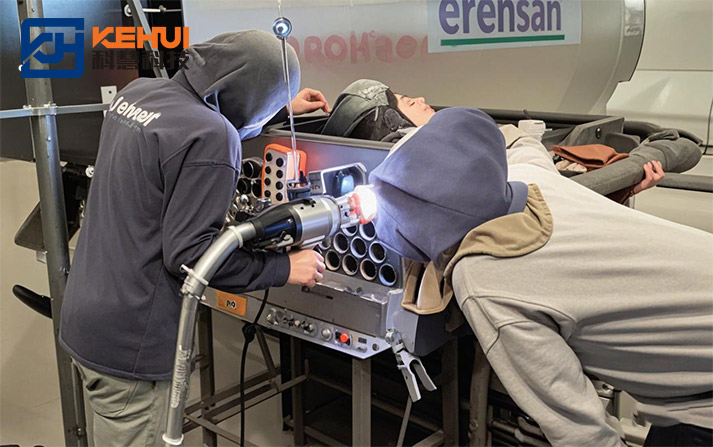
Manual TIG with orbital assistance – A welding head clamps on the tube but parameters are still manually controlled. Better than pure hand welding, but consistency still depends on operator skill.
Works for: Low volume, varied sizes, experienced welders.
Fails for: High volume, multiple shifts, high turnover.
Fully automatic – Machine handles positioning, arc, travel, wire feed, and data logging. Operator monitors, machine welds.
Works for: High volume, production environments, documented quality.
Fails for: One-off custom jobs where setup time kills productivity.
For most commercial heat exchanger fabrication, automatic is the clear winner. The best tube to tubesheet welding machine for your shop depends on your volume and consistency needs.
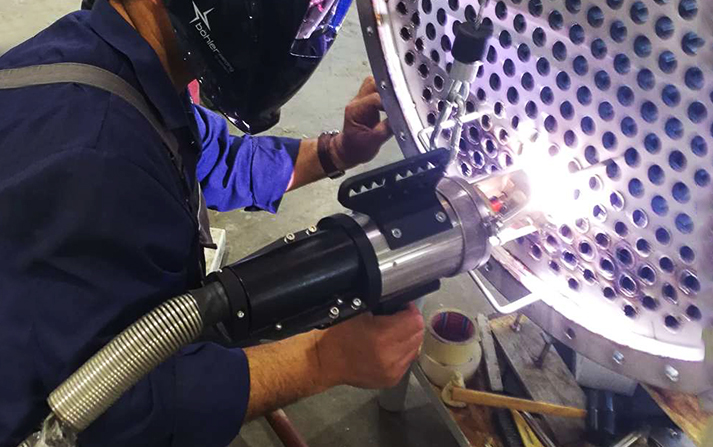
Non-negotiable. Your machine must cover your actual diameters. Most cover a range (e.g., 12–80mm). Match to your work, not the widest spec.
Pro tip: Interchangeable heads or collets are cheaper than multiple machines.
Stainless steel – precise heat control to avoid oxidation.
Carbon steel – more forgiving, different parameters.
Titanium/nickel alloys – need closed-chamber gas shielding.
A serious manufacturer will ask about your materials. If they don't, walk away.
Torch must be centered on each tube. Good machines achieve ±0.02mm servo accuracy. Poor alignment = inconsistent penetration = rejects.
Customers demand traceability. Modern orbital welding tube to tubesheet equipment logs current, voltage, speed, wire feed—gold for audits.
The machine is only as good as the operator. Without proper training, you'll spend months troubleshooting. We learned this the hard way—now every machine includes on-site training at your facility.
Ask: "Who trains my operators? What happens when something breaks at 2 AM?" The answers tell you everything.
Maus Italia (MaTIG 502) – Fully automatic CNC work station, tubes 6.35–50.8mm.
Polysoude – Specialized TIG torches for inaccessible joints in air-cooled exchangers.
Orbitec (RBK 38 S, RBK 60) – Tube-to-tubesheet heads with optional filler wire and AVC.
AXXAIR (SATP-80X) – Water-cooled, inclined electrode, wire feed.
Fronius (FTW 24-120 PRO) – Mechanised tubesheet welder with Multilock quick-connect.
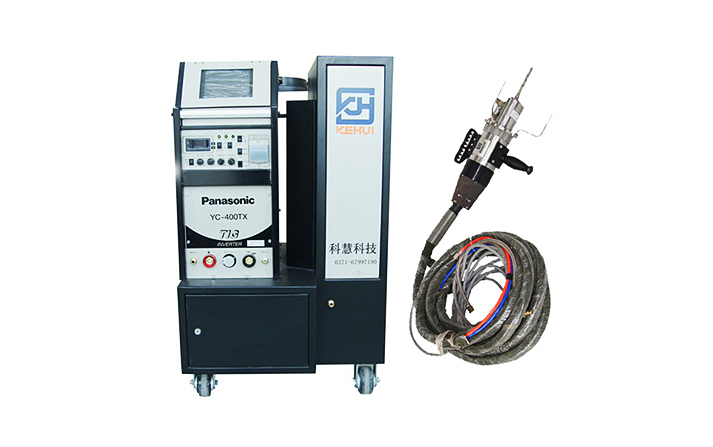
Kehui (KHB12-80) – Automatic orbital TIG for 12–80mm tubes, flat end and fillet welding. Panasonic welding source, Maxon motor, PLC control, 100 stored programs. Founded 1994, exported to 50+ countries, on-site training worldwide.
Cruxweld (TubeSeal H89) – Mechanized circumferential welding, ID clamping 28–76mm, portable (~7kg).
MWelding (MWP Series) – All-position tube-to-tubesheet torch, suitable for boilers, refrigeration, exchangers.
Kunshan Youbest – Leading Chinese provider of advanced automatic welding machines.
| Feature | European High-End | Chinese Mid-Range |
|---|---|---|
| Price | $40k–$100k+ | $15k–$25k |
| Tube range | Varies | 12–80mm (common) |
| Automation | Full CNC, autonomous | PLC-controlled, semi to full |
| Training | Often extra | Often included (on-site) |
| Support | Regional distributors | Direct manufacturer |
| Lead time | 3–6 months | 4–8 weeks |
The best tube to tubesheet welding machine for heat exchanger fabrication isn't necessarily the most expensive. It's the one that fits your volume, materials, and budget.
Rework math is brutal. A 5% rework rate on 2,000 tubes means 100 tubes to cut and redo. Each costs labor, materials, and time. A good heat exchanger tube welding machine cuts rework to under 1%.
Consistency beats speed. Fast but inconsistent welds create rework. The best tube to tubesheet welding machine delivers the same quality on tube #1 and tube #1,000.
Operators are the bottleneck. Skilled welders are hard to find. Automation reduces dependence—one operator can monitor multiple machines.
Data is mandatory. Customers demand weld traceability. Modern orbital welding tube to tubesheet equipment logs every parameter—critical for audits.
It cuts cycle time per joint by 50–75%, eliminates fatigue, reduces rework from 5–10% to under 2%, and lets one operator monitor multiple machines.
Thousands of tubes must perform identically under pressure and thermal cycling. One inconsistent weld can leak and cause failure. Consistency isn't a goal—it's a safety requirement.
Carbon steel, alloy steel, stainless steel, titanium, and nickel alloys. Stainless needs precise heat control; titanium requires closed-chamber shielding.
For shops welding hundreds or thousands of tubes daily—fully automatic. For low volume (under 100/day), manual with orbital assistance may suffice.
Look for 15+ years of experience, industry references, on-site training, spare parts availability, and transparent total-cost-of-ownership pricing.
With proper on-site training, operators typically become productive in 3–5 days. Without training, it takes weeks or months of trial and error.
The best tube to tubesheet welding machine for heat exchanger fabrication matches your diameters, materials, volume, and budget—and comes with the training and support to make it work on your floor.
Whether you choose European high-end or a Chinese manufacturer like Kehui (since 1994, 50+ countries), verify their heat exchanger fabrication experience, confirm on-site training is included, and calculate total cost of ownership—not just purchase price.
Because in heat exchanger fabrication, the most expensive thing isn't the machine. It's the weld that fails.
Zhengzhou Kehui Technology Co., Ltd
Email: info@zzkehui.com





 Chinese
 English
 OA
OA Current location:
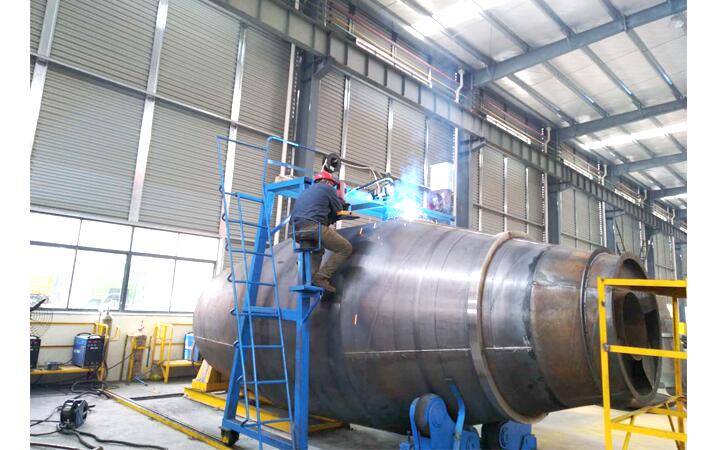 Concrete Mixer Drum Robotic Welding Solutions
 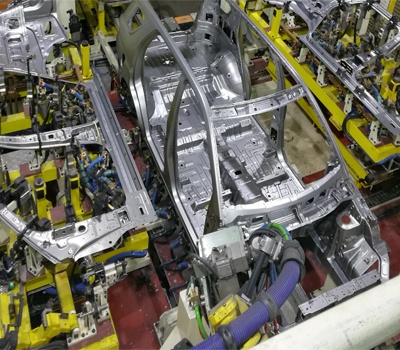 Automobile Body Production Line Welding Fixtures
 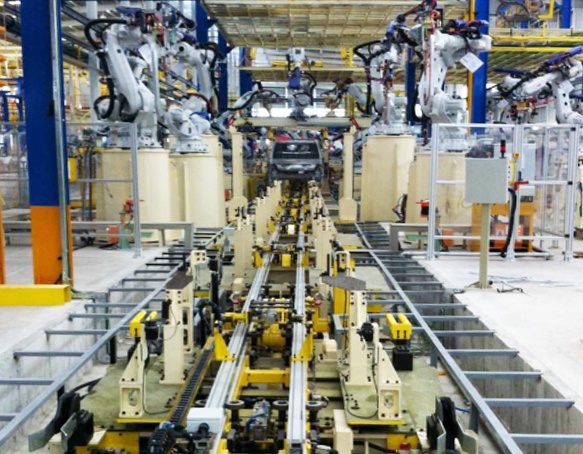 Automotive Body Welding Automated Manufacturing Solutions
 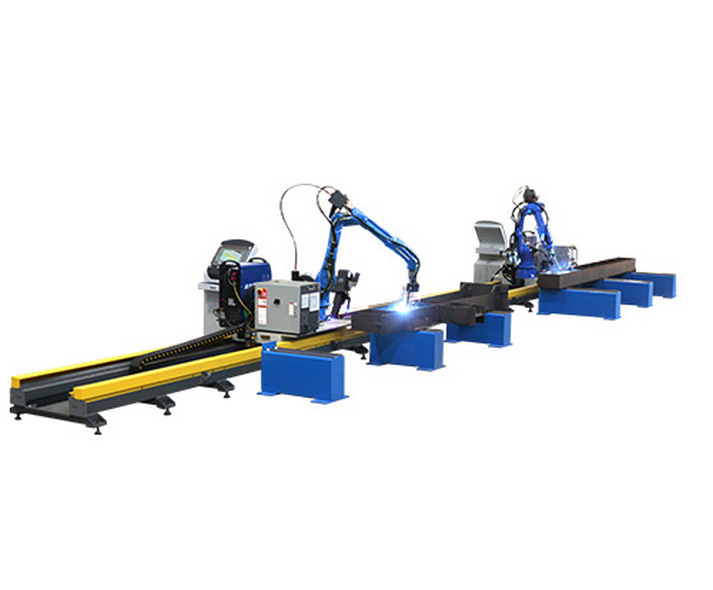 Free-Teaching Programming Welding Robot Cell For I Beam Welding
 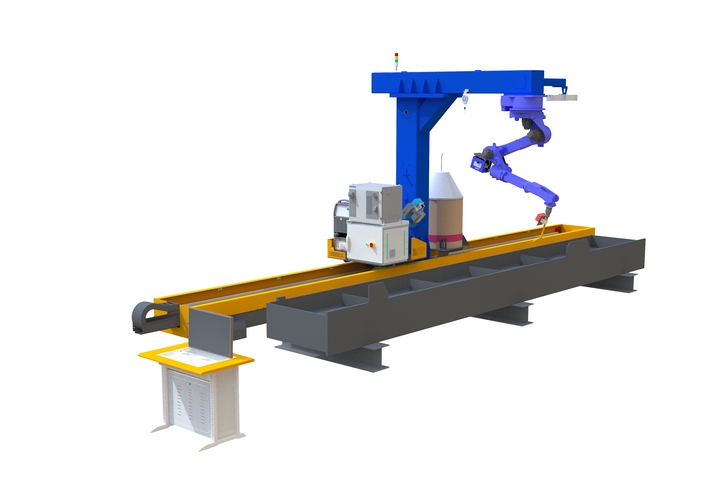 No Programming Required Robotic Welding Systems for H beam Welding Line