+86 15633683072
If you're searching for how to weld stainless steel pipe, you've probably already seen the standard advice. Clean the pipe. Use argon. Watch the heat. All true. All incomplete.
Here's what the manuals don't tell you: welding stainless steel pipe is fundamentally different from welding carbon steel. The heat stays where you put it. The oxide layer fights you. The purge gas matters more than the arc itself.
We've been building stainless steel pipe welding machine systems since 1994. We've helped fabricators in over 50 countries master orbital welding stainless steel pipe. And we've watched the same mistakes repeat—burn-through on thin wall, oxidation on the root, and frustration when the machine gets blamed for problems that started with the setup.
This guide covers how to weld stainless steel pipe from a shop-floor perspective, whether you're using a manual TIG torch or an orbital welding machine for pipe. And if you're considering automatic pipe welding systems for stainless work, we'll show you where they make the biggest difference.
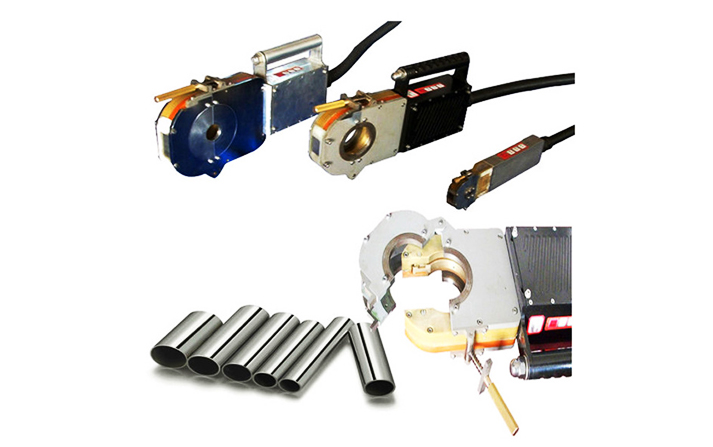
If you already know how to weld stainless steel pipe, you know the hard part isn't striking the arc. It's managing the heat.
Carbon steel conducts heat away from the weld zone quickly. Stainless steel doesn't. The heat stays where you put it. The weld pool gets hotter. The risk of burn-through increases. And when the temperature climbs above 800°F in the presence of oxygen, chromium oxide forms—blue, purple, or grey discoloration that compromises corrosion resistance.
That's why how to weld stainless steel pipe isn't just about the arc. It's about heat management, gas coverage, and material preparation. Every step matters.
Here's what changes with stainless:
Heat input must be carefully controlled—too much and you burn through, too little and you lack fusion
Purge gas is non-negotiable—oxygen on the root ruins the weld
Interpass temperature must be monitored—stainless holds heat, so you need to let it cool between passes
Tungsten condition matters more—contamination shows up immediately
If you're looking for how to weld stainless steel pipe efficiently, the answer often points to orbital welding. A stainless steel pipe welding machine automates the variables that manual welders struggle to control.
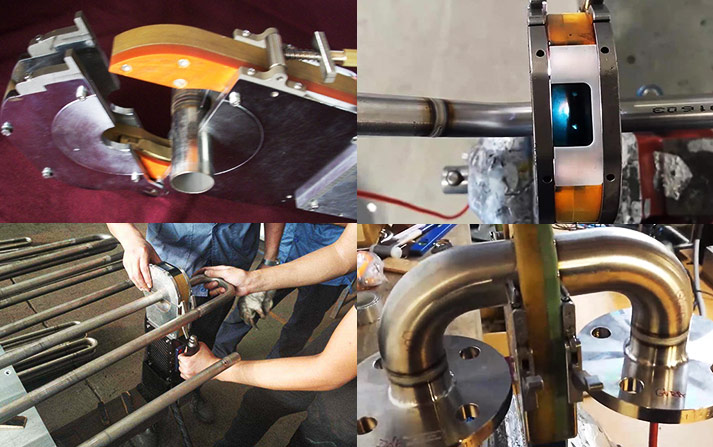
Most guides on how to weld stainless steel pipe focus on manual TIG. It works. Skilled welders have been doing it for decades. But it has limits.
The setup:
Clean the pipe—inside and out. Any oil, grease, or dirt will contaminate the weld. Use isopropyl alcohol or acetone.
Bevel the ends—for wall thickness over 3mm, a single V bevel with a 60-75° included angle.
Purge the inside—argon at 10-20 CFH, depending on diameter. Oxygen must be below 100 ppm before striking the arc.
Set your parameters—amperage depends on wall thickness, typically 30-50 amps per mm of thickness.
Weld—maintain a consistent torch angle and travel speed.
Common problems:
Burn-through on thin wall (under 2mm)
Oxidation on the root (purge issues)
Inconsistent penetration (hand speed varies)
Tungsten contamination (dipping the tungsten into the pool)
Manual TIG is how most people learn how to weld stainless steel pipe. But as production volumes increase, many shops discover that a stainless steel pipe welding machine delivers more consistent results.
The best answer to how to weld stainless steel pipe at scale is orbital welding. An orbital welding machine for pipe rotates the arc around the joint, maintaining fixed arc length, travel speed, and gas coverage. No hand drift. No fatigue. No variation.
How it works:
Clamp the welding head around the pipe
Program the parameters (diameter, wall thickness, material)
The stainless steel pipe welding machine purges the chamber and strikes the arc
The torch rotates 360° around the joint
The weld is complete in one controlled pass
Orbital welding stainless steel pipe is particularly effective for:
Thin-wall (schedule 10 and below)
High-purity applications (pharmaceutical, semiconductor)
High-volume production (hundreds of identical joints)
Tight access (where manual welding is difficult)
Example: A 6 inch pipe welding job in a pharmaceutical plant might require 200 sanitary joints. Manual TIG would take 2-3 minutes per joint, with a 5-10% rework rate. An orbital welding machine for pipe completes each joint in 30-90 seconds, with rework under 2%. The automatic pipe welding systems pay for themselves in the first project.
Orbital welding stainless steel pipe also provides full data logging—every parameter recorded for quality traceability. That's increasingly required in regulated industries.
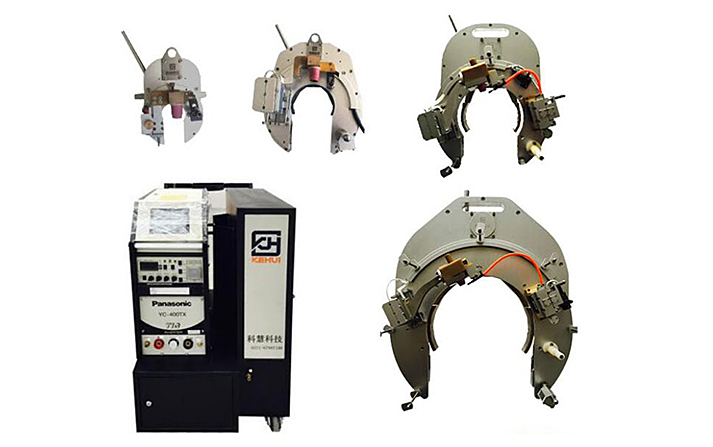
If you're using a stainless steel pipe welding machine for orbital welding, here are the parameters that matter:
Heat input: For stainless steel pipe welding machine settings, the goal is consistent heat input—amperage × voltage × travel speed. Too much heat causes distortion and oxidation. Too little causes lack of fusion.
Travel speed: The orbital welding machine for pipe must move at a consistent speed around the joint. For thin-wall stainless, faster travel with lower amperage reduces heat buildup.
Gas flow: For orbital welding stainless steel pipe, gas coverage is critical. The stainless steel pipe welding machine should maintain pre-flow, welding flow, and post-flow to protect the weld from oxidation.
Oscillation: Some automatic pipe welding systems include oscillation—the arc wiggles side to side to widen the bead. This helps bridge gaps and improve wetting.
Interpass temperature: For multi-pass welds, the stainless steel pipe welding machine should monitor and enforce cooling between passes. Stainless holds heat, so you need to wait between passes.
After decades of watching fabricators learn how to weld stainless steel pipe, here are the mistakes we see most:
Mistake 1: Skipping the purge. This is the #1 cause of oxidation. If you're welding stainless steel pipe without internal argon, the root will oxidize. Period.
Mistake 2: Too much heat. Stainless holds heat. If you weld too hot or too slow, you'll burn through thin wall and create distortion. Use lower amperage and faster travel.
Mistake 3: Dirty pipe. Any oil, grease, or oxide on the surface will contaminate the weld. Clean with isopropyl alcohol before welding.
Mistake 4: Wrong tungsten. Use 2% thoriated (red) or 2% ceriated (grey) tungsten for DC welding. Pure tungsten (green) is for AC aluminum.
Mistake 5: Ignoring interpass temperature. For multi-pass welds, let the pipe cool between passes. If you weld too hot, the material overheats and loses corrosion resistance.
Mistake 6: Wrong shielding gas. For how to weld stainless steel pipe, use 100% argon. For some applications, an argon‑hydrogen blend (95/5) improves wetting. Never use hydrogen on duplex stainless—it causes embrittlement.
There's no single answer to how to weld stainless steel pipe. The right approach depends on your application.
| Approach | Best For | Limitations |
|---|---|---|
| Manual TIG | Low volume, varied sizes, shop flexibility | Operator-dependent, variable quality, slow for high volume |
| Orbital welding | High volume, high purity, repeatability, documented quality | Higher upfront investment, requires procedure qualification |
| Automatic pipe welding systems | Large-scale production, regulated industries, thin-wall stainless | Setup time for each size/material combination |
Most shops we work with use a mix. Manual TIG for repairs and custom work. An orbital welding machine for pipe for production runs. And if they're in pharmaceutical or semiconductor, orbital welding stainless steel pipe is the standard—not the exception.
The best way depends on your application. For low volume and varied sizes, manual TIG with proper purge and heat control works well. For high volume, high purity, or thin-wall applications, an orbital welding machine for pipe produces more consistent, documented results with lower rework. Automatic pipe welding systems are the industry standard for pharmaceutical, semiconductor, and food processing.
Yes. Manual TIG is a common method for welding stainless steel pipe. However, the process is operator‑dependent and requires skill to manage heat, purge, and consistency. For high‑volume or high‑purity applications, orbital welding stainless steel pipe with a stainless steel pipe welding machine is often preferred.
100% argon is the standard shielding gas for stainless steel TIG welding. Some applications use an argon‑hydrogen blend (95/5 or 98/2) to improve wetting and travel speed. However, hydrogen blends should never be used on duplex stainless or titanium, as they can cause embrittlement.
A black weld bead typically indicates oxidation—oxygen reaching the weld zone during welding. This is caused by inadequate purge gas, leaks in the welding head seals (closed‑head systems), or insufficient pre‑flow and post‑flow. Check your purge flow rate, seals, and gas purity. For orbital welding stainless steel pipe, oxygen should be below 50 ppm before striking the arc.
Use a closed‑head stainless steel pipe welding machine or maintain an argon purge on the inside of the pipe. Ensure oxygen levels are below 50 ppm before welding. Set adequate pre‑flow (gas before arc start) and post‑flow (gas after arc stop). For manual TIG, use a gas lens for better coverage.
Yes. Automatic pipe welding systems are widely used for stainless steel pipe welding. An orbital welding machine for pipe rotates the arc around the joint, maintaining fixed parameters for consistent, repeatable welds. Automatic orbital welding stainless steel pipe is standard in semiconductor, pharmaceutical, and food processing industries where quality and documentation are critical.
Zhengzhou Kehui Technology Co., Ltd
Email: info@zzkehui.com





 Chinese
 English
 OA
OA Current location:
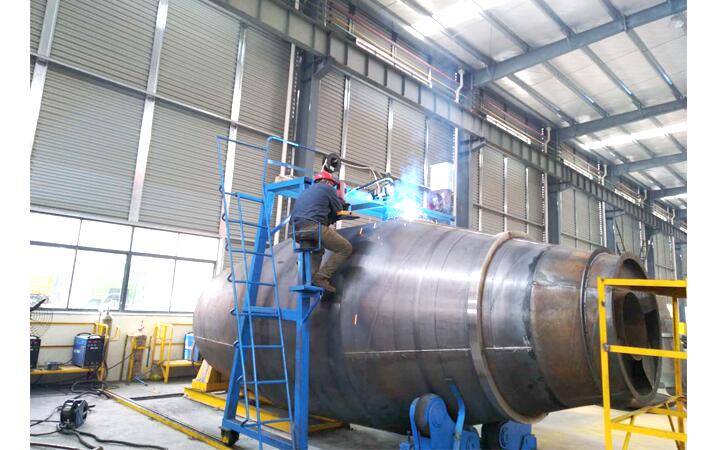 Concrete Mixer Drum Robotic Welding Solutions
 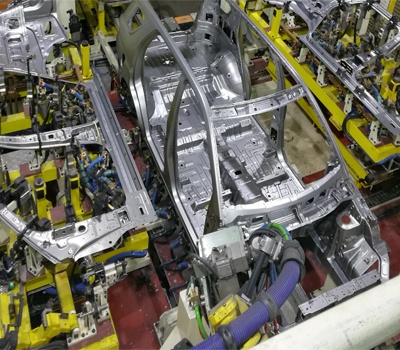 Automobile Body Production Line Welding Fixtures
 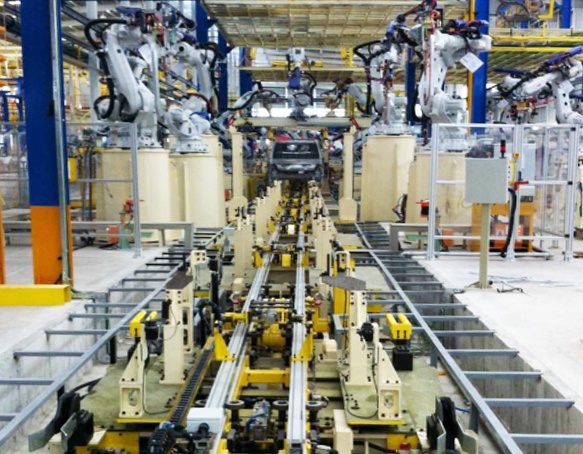 Automotive Body Welding Automated Manufacturing Solutions
 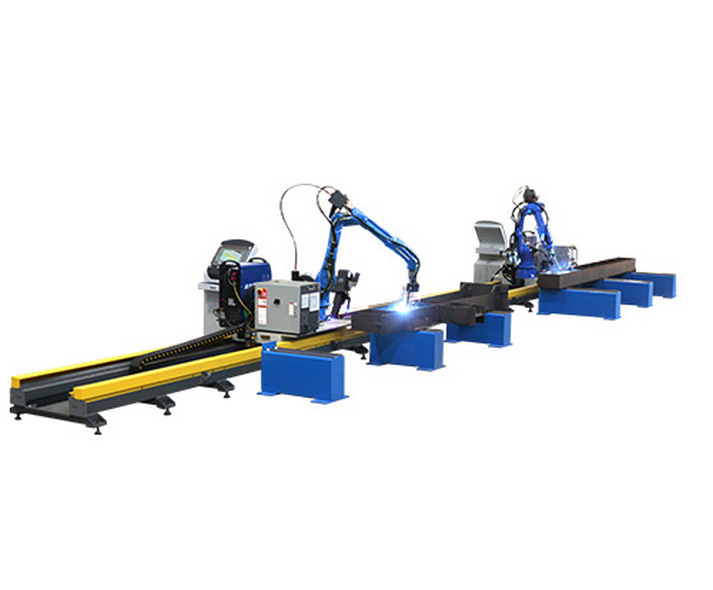 Free-Teaching Programming Welding Robot Cell For I Beam Welding
 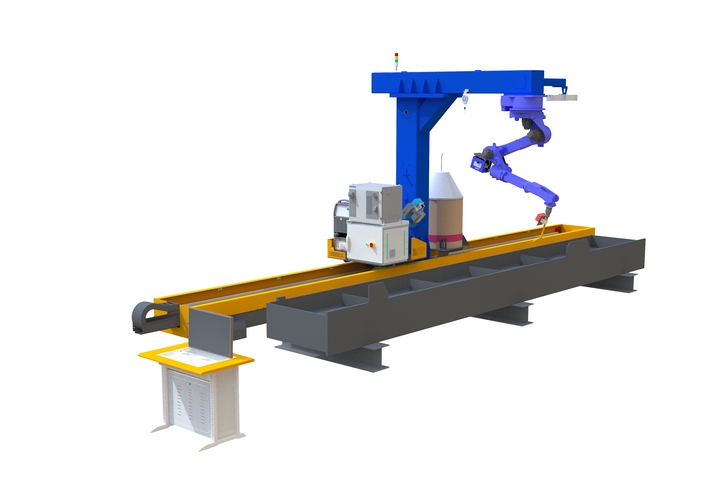 No Programming Required Robotic Welding Systems for H beam Welding Line