+86 15633683072
Modern battery material production involves handling volatile organic solvents such as dimethyl carbonate (DMC) and ethyl methyl carbonate (EMC)—flammable liquids that create explosive atmospheres when their vapours mix with air in the presence of an ignition source. At the same time, lithium hexafluorophosphate (LiPF₆)—the core electrolyte salt—is highly moisture-sensitive; residual LiPF₆ inside drums can decompose into hydrofluoric acid, further complicating the container cleaning process.
Cleaning these drums manually under such hazardous conditions is risky. Improper cleaning can cause ignition of residual solvents, HF burns from chemical residues, accumulation of flammable vapors, and cross-contamination in the lithium battery production chain.
This is why explosion-proof drum cleaning systems are engineered specifically for hazardous environments. In this guide, we will explore the risks associated with cleaning hazardous drums, the key engineering features of explosion-proof drum cleaning systems, and how modern automation ensures safe and efficient cleaning in lithium battery production facilities.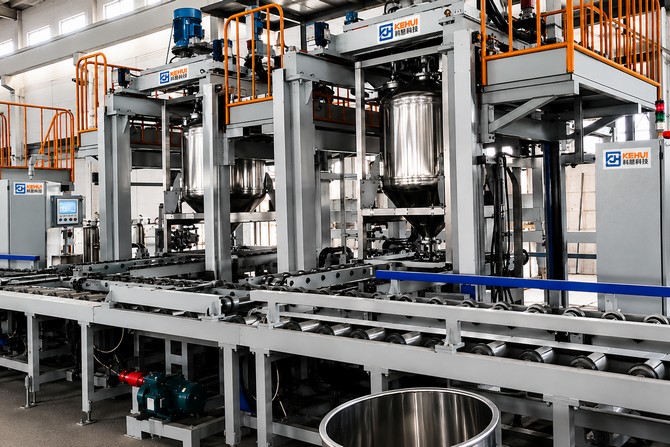
The safety challenges in cleaning LiPF₆ and electrolyte drums arise from both the chemical and physical properties of the residues. The electrolyte used in lithium batteries contains three key components: a lithium salt (typically LiPF₆ or LiBF₄), high-purity organic solvents, and additives. The carbonate solvents—DMC, EMC, and DEC—have flash points as low as 19–25°C, classifying them as flammable liquids that can release explosive vapours even at normal room temperatures.
When a drum that has contained these materials is opened for cleaning, residual solvent vapours can escape into the surrounding air. The cleaning process itself—high-pressure washing, spraying, or rinsing—may generate additional solvent mist. If this accumulated vapour reaches a sufficient concentration (typically 1–8% by volume in air) and meets an ignition source such as a spark from a standard electric motor, a static discharge, or a hot surface, an explosion can result.
Static electricity presents a particular risk during high-pressure washing: the rapid movement of liquid against metal surfaces can build up considerable electrostatic charge, which may discharge as a spark capable of igniting flammable vapours.
Beyond the explosion risk, LiPF₆ itself is a hazardous substance. According to safety data sheets, LiPF₆ causes skin and eye irritation, can damage organs through prolonged or repeated exposure, and must be kept away from heat, sparks, open flames, and hot surfaces. When LiPF₆ comes into contact with water, it hydrolyzes and releases highly corrosive and toxic hydrogen fluoride (HF), which attacks human tissue and corrodes equipment.
These risks mean that hazardous liquid cleaning at any lithium battery material facility is not an ordinary cleaning task—it requires specialized, explosion-proof solutions. For any electrolyte handling system, the cleaning of drums, IBC totes, and process tanks must be engineered to eliminate both chemical and ignition hazards.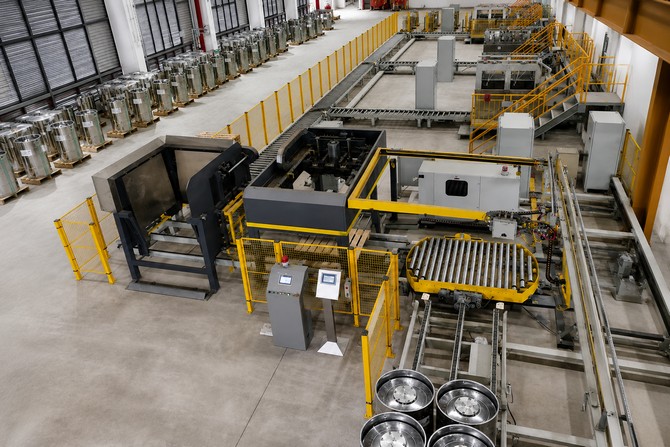
Explosion-proof drum cleaning systems are designed to operate safely in environments where flammable gases, vapours, or combustible dusts may be present. The term “explosion-proof” refers not to the system being able to withstand an external explosion, but rather to the system being designed so that any internal ignition is contained and cannot ignite the surrounding atmosphere.
The European standard for equipment used in hazardous areas is ATEX (from “ATmosphère EXplosible”), which describes the directives regulating equipment in potentially explosive atmospheres. ATEX defines three zones based on the likelihood and duration of explosive atmospheres: Zone 0 (continuously present), Zone 1 (likely during normal operation), and Zone 2 (possible but unlikely to occur for short periods). Most industrial drum washing areas handling electrolyte containers fall within Zone 1 or Zone 2 environments.
For equipment to be ATEX-certified, it must incorporate specific design features. The next sections detail the key engineering requirements.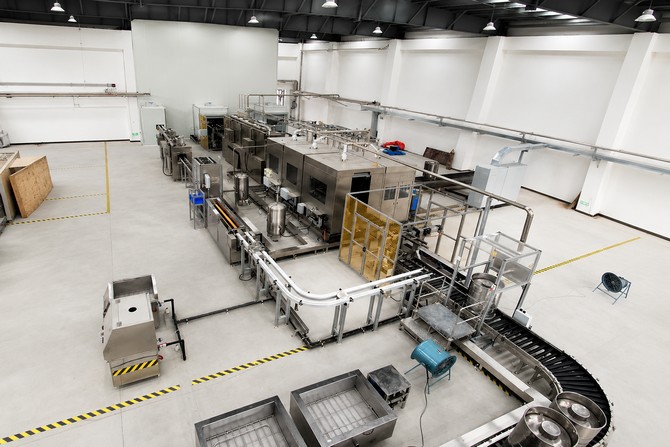
Effective drum cleaning systems for hazardous chemical applications must incorporate several critical safety elements.
All electrical components used in hazardous areas must be designed for explosive atmospheres—including washing pumps, drive motors, electrical control systems, and extraction fans. ATEX-certified motors are engineered to prevent excessive surface temperatures and minimize the risk of sparking.
High-pressure washing and liquid flow can accumulate static electricity on equipment surfaces. Professional drum cleaning systems incorporate comprehensive grounding systems that dissipate electrical charge. All components—drum supports, wash lances, pipework, and machine frames—must remain electrically bonded to a common earth point to prevent static discharge.
To further minimize ignition risks, explosion-proof drum cleaning systems are manufactured from materials that reduce spark potential. Typical materials include stainless steel construction (which is robust but conductive when properly bonded), brass fittings for certain connections, and conductive seals and gaskets.
Ventilation is perhaps the most critical passive safety measure when washing containers that previously held solvents. Industrial drum washing installations should include vapour extraction systems, ventilation ducting, extraction fans positioned to remove vapours from the washing area, and in some cases, continuous air monitoring to detect flammable gas concentrations.
In well-designed cleaning chemical tanks applications, the ventilation system maintains the atmosphere below the lower explosive limit (LEL) at all times.
For electrolyte tank cleaning applications where solvent is used as a cleaning medium, the system may operate under a nitrogen blanket. By maintaining an inert atmosphere inside the wash chamber—with oxygen concentration kept below levels that support combustion—the risk of explosion is virtually eliminated.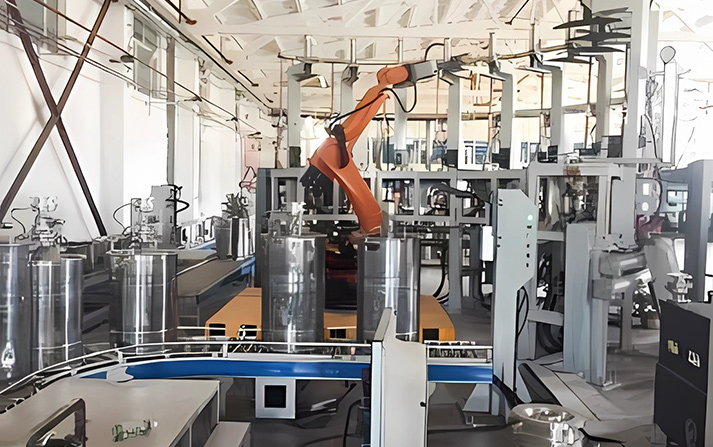
Manual cleaning of electrolyte drums exposes operators to multiple hazards simultaneously: direct contact with HF residues, inhalation of solvent vapours, and the risk of static spark ignition. In contrast, automated explosion-proof drum cleaning systems allow operators to manage the entire washing process from a remote HMI (Human-Machine Interface) located well outside the hazardous zone.
Key automation features include:
Sealed wash chambers with interlocked doors—Prevent opening during operation and contain any ignition within the enclosure.
Programmable wash cycles—Eliminate operator variability and ensure consistent results for each container.
Real-time sensor monitoring—Including dew point sensors for moisture control, pressure transducers for impact monitoring, and conductivity meters for chemical concentration verification.
Automatic shutoff—Triggered by deviations in pressure, temperature, or vapour concentration.
Data logging—Complete traceability for quality audits and regulatory compliance.
When integrated into a full electrolyte handling system, automated cleaning equipment can handle everything from pre-rinse to final nitrogen drying without any manual intervention, dramatically improving both safety and efficiency.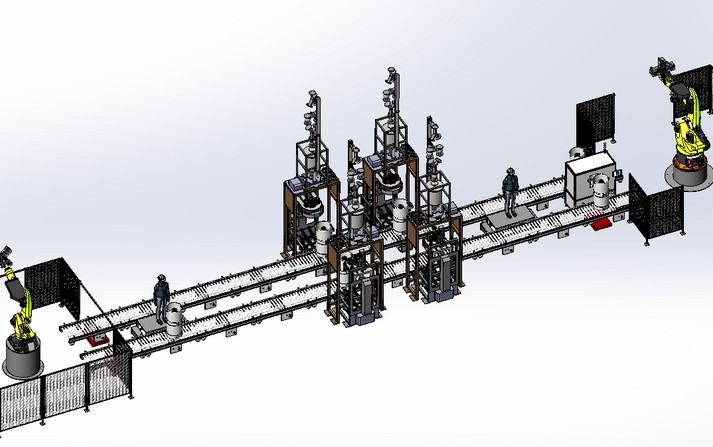
The term LiPF₆ handling encompasses not only the safe transfer and storage of lithium hexafluorophosphate but also the cleaning of containers that have contained this material. As noted earlier, LiPF₆ decomposes upon contact with moisture. Even microscopic amounts of water can trigger the hydrolysis reaction, producing HF and phosphorus oxyfluoride compounds.
The thermal decomposition of LiPF₆ is central to HF formation, producing PF₅, POF₃, and HF in a feedback cycle in which HF both forms from and accelerates further electrolyte breakdown. This means that any cleaning process that introduces moisture without also removing LiPF₆ residues will worsen the contamination rather than solving it.
Explosion-proof drum cleaning systems designed for LiPF₆ handling typically incorporate:
Solvent pre‑rinse using DMC or EMC—Dissolves LiPF₆ before any aqueous chemicals are introduced.
Closed‑loop solvent recovery—Captures and recycles expensive cleaning fluids, reducing operating costs by 50–60%.
Heated nitrogen drying—Removes residual moisture to dew points below -40°C.
Corrosion‑resistant wetted parts—PTFE‑lined piping and Hastelloy valves resist HF attack.
For electrolyte tank cleaning where fixed tanks or large vessels are being cleaned, similar principles apply: the cleaning head must enter through manways, follow a programmed path to cover all internal surfaces, and operate under a nitrogen blanket.
In lithium battery production, every step of material handling must be engineered for purity, consistency, and safety. At facilities producing LiPF₆ crystals and electrolyte formulations, hundreds of drums and IBC totes are processed daily.
Before implementing automated explosion-proof drum cleaning systems, operators would manually hose out drums with solvent or water, scrub interior surfaces with brushes, and visually inspect for residues. This method led to inconsistent results, HF exposure incidents, and an average cleaning time of 15–20 minutes per drum.
After upgrading to automated explosion-proof systems, facilities such as Do-Fluoride have achieved dramatic improvements: cleaning time reduced from 18 minutes to 5 minutes per drum, labour cut from 4 operators per shift to 1, solvent consumption reduced by 54% through closed‑loop recirculation, and zero operator exposure to HF or solvents.
These systems integrate seamlessly into a modern electrolyte handling system, connecting with downstream filling lines and upstream container tracking to create an end-to-end material management workflow.
When evaluating drum cleaning systems for battery material production, consider the following factors:
| Factor | Consideration |
|---|---|
| Residue type | Are you cleaning only LiPF₆, only solvents, or both? Does the system need both aqueous and solvent cycles? |
| Container type | Standard 200L drums? IBC totes (275–330 gallons)? Stainless steel carriers? |
| Throughput | How many containers per shift? Single-station or multi-station configuration? |
| Hazardous zone classification | What ATEX or NEC zone does your cleaning area fall under? Zone 1 or Zone 2? |
| Integration | Will the cleaning system be stand-alone or integrated with a larger electrolyte handling system? |
| Data requirements | Do you need batch traceability, audit logs, or MES integration? |
Explosion-proof drum cleaning systems are not optional for lithium battery production facilities handling LiPF₆ and carbonate solvents—they are a fundamental requirement for safe and compliant operation. The combination of flammable solvents, reactive lithium salts, and manual handling creates too many risks to manage without purpose‑built automation.
Modern drum cleaning systems address these challenges through ATEX-rated electrical components, static grounding, vapour extraction, and inert atmosphere controls. When integrated into a comprehensive electrolyte handling system, they enable consistent, high‑throughput cleaning while eliminating operator exposure to both explosive atmospheres and toxic HF residues.
For reliable hazardous liquid cleaning and electrolyte tank cleaning, Kehui offers turnkey explosion-proof drum cleaning systems with robotic automation, solvent recirculation, nitrogen drying, and complete safety interlocking. Contact our engineering team to discuss your container cleaning requirements and receive a customised proposal.
Zhengzhou Kehui Technology Co., Ltd
Email: info@zzkehui.com





 Chinese
 English
 OA
OA Current location:
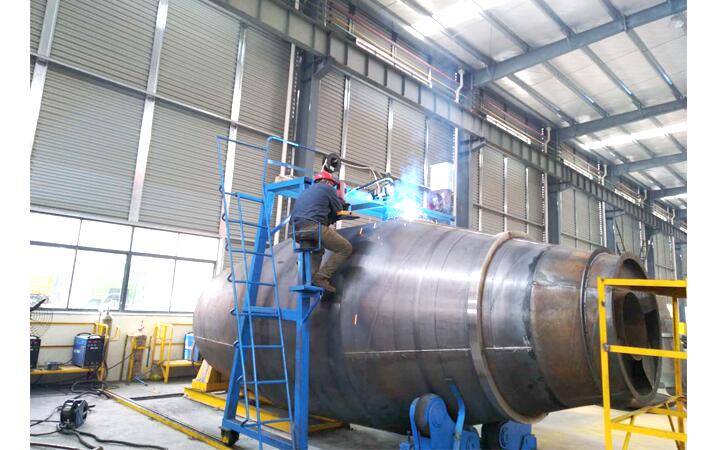 Concrete Mixer Drum Robotic Welding Solutions
  Automobile Body Production Line Welding Fixtures
  Automotive Body Welding Automated Manufacturing Solutions
 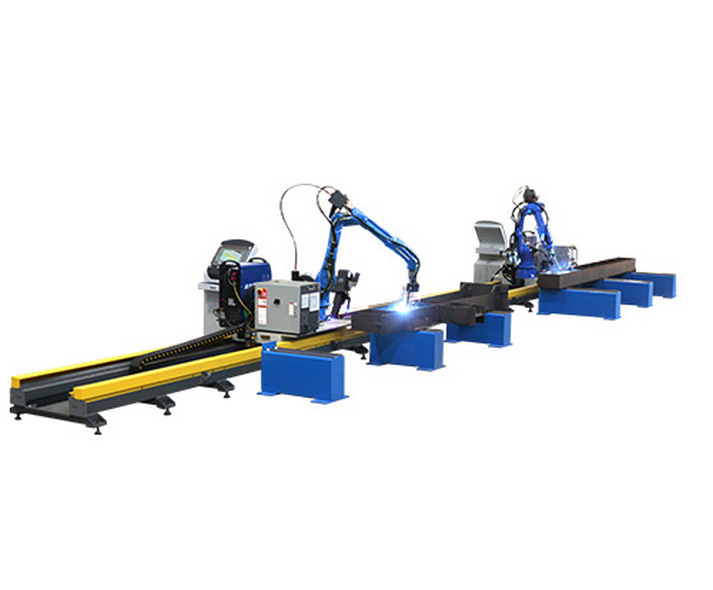 Free-Teaching Programming Welding Robot Cell For I Beam Welding
 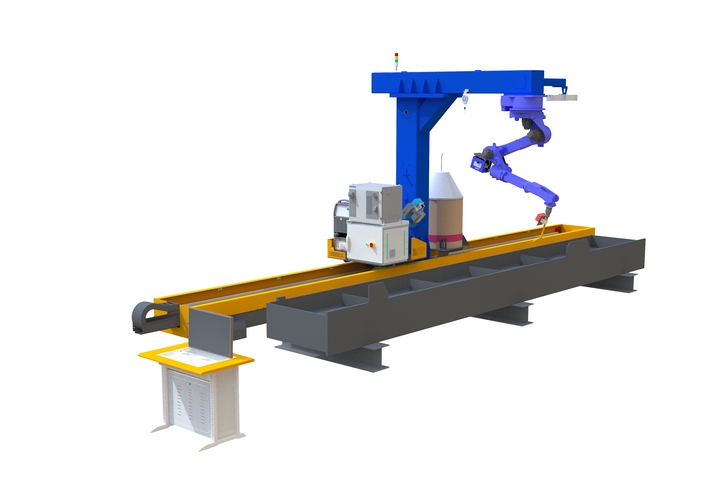 No Programming Required Robotic Welding Systems for H beam Welding Line