Ask most people what orbital welding is used for, and they’ll give you the standard answer: pipelines, pharmaceutical lines, semiconductor gas systems. All true. All incomplete.
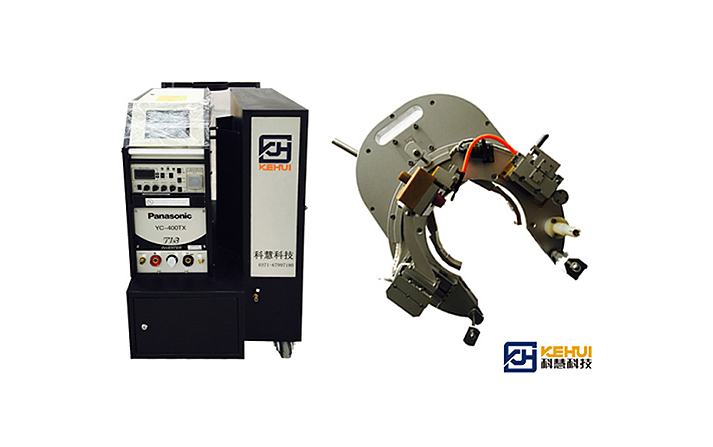
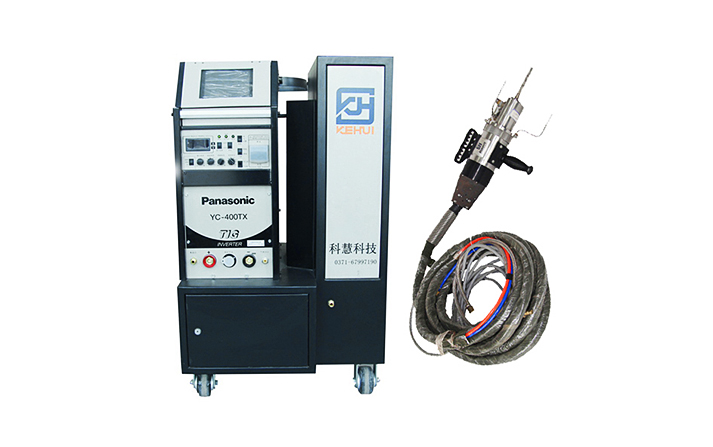
We’ve been building orbital welding system equipment since 1994. We’ve shipped to over fifty countries. And we’ve seen tube orbital welding applied in places that never make it into the glossy brochures – from shipyards in Southeast Asia to desalination plants in the Middle East to food processing facilities in Europe.
Here’s what orbital welding system technology is actually used for, beyond the obvious. And why getting the orbital welding procedures right matters more than the machine itself.
The Obvious Applications (Briefly)
Before we get to the unusual, let’s acknowledge the standard uses. An orbital welding system is used wherever weld quality needs to be repeatable and documented.
- Pharmaceutical and biotech: Clean steam, water-for-injection, process piping. No oxidation allowed. - Semiconductor: Ultrapure gas and chemical lines. One bad weld contaminates an entire fab. - Food and beverage: Sanitary tubing for dairy, breweries, juice processing. Easy to clean, no bacteria traps. - Oil and gas: Pipeline construction, offshore platforms, refinery process piping. - Power generation: Boiler tubes, heat exchangers, nuclear facilities.
These are the applications you’ll find in any orbital welding system brochure. But the real story is what happens when engineers get creative.
Tube Orbital Welding in Places You’d Never Expect
Tube orbital welding isn’t just for new construction. Some of the most interesting uses are in repair and modification.
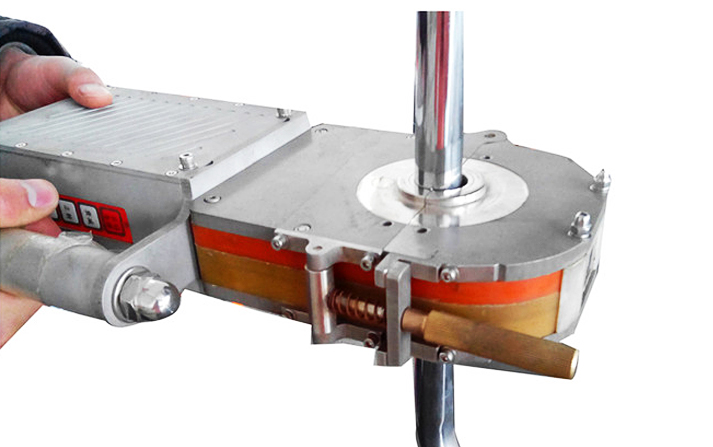
We had a customer in Australia who needed to weld stainless steel tubes inside an existing heat exchanger. The bundle was so tight that no human hand could fit. They used a miniaturized orbital welding system head that crawled into the gap. The tube orbital welding process ran automatically. The welds were perfect. No one could have done it manually.
Another customer in the marine industry used tube orbital welding to repair seawater cooling lines on a ship while it was still in dry dock. The orbital welding system clamped onto pipes that had been corroded for years. The orbital welding procedures had to account for variable wall thickness and contaminated material. It worked. The ship sailed on schedule.
These aren’t the clean-room applications you see in marketing videos. They’re dirty, tight, high-stakes jobs where tube orbital welding is the only option.
Orbital Welding Procedures for Unusual Materials
Most people think orbital welding system equipment is only for stainless steel and carbon steel. Not true. We’ve developed orbital welding procedures for materials that most shops won’t touch.
Nickel alloys (Inconel, Hastelloy): Used in chemical processing and high-temperature applications. Orbital welding procedures for nickel require tighter heat control than stainless. The material is more sensitive to hot cracking. Our orbital welding system has been used to weld Inconel 625 in offshore oil equipment.
Duplex and super duplex: Common in seawater systems and desalination plants. Orbital welding procedures for duplex need to maintain the ferrite/austenite balance. Too much heat and you lose corrosion resistance. Our orbital welding system has run duplex welds that passed the most stringent testing.
Titanium: Used in aerospace and chemical plants. Tube orbital welding on titanium requires perfect gas coverage – even more than stainless. A closed-head orbital welding system is mandatory. We’ve supplied systems for titanium tube welding in European aerospace manufacturing.
Copper-nickel: Used in marine cooling systems. Orbital welding procedures for copper-nickel are different because the material conducts heat so quickly. Our orbital welding system parameters for Cuni run at higher amperage and faster travel speed than stainless.
If you’re only using tube orbital welding on 304L, you’re missing most of what an orbital welding system can do.
The Documentation Application
Here’s an application that nobody thinks about until they need it: traceability.
When a weld fails in a pharmaceutical line or a nuclear facility, the operator needs to know exactly what happened. An orbital welding system records every parameter – amperage, voltage, travel speed, gas flow, interpass temperature. The orbital welding procedures are stored with the weld data.
This isn’t a feature you use every day. But when a regulatory audit happens, or a weld fails unexpectedly, the orbital welding system data is the difference between fixing the problem and guessing.
We’ve seen customers choose our orbital welding system over cheaper alternatives specifically for the data logging. Not for the welding. For the documentation. That’s an application that doesn’t show up in the brochure, but it’s real.
Orbital Welding Procedures for Out-of-Position Welding
Another overlooked application: welding in positions that are impossible for humans.
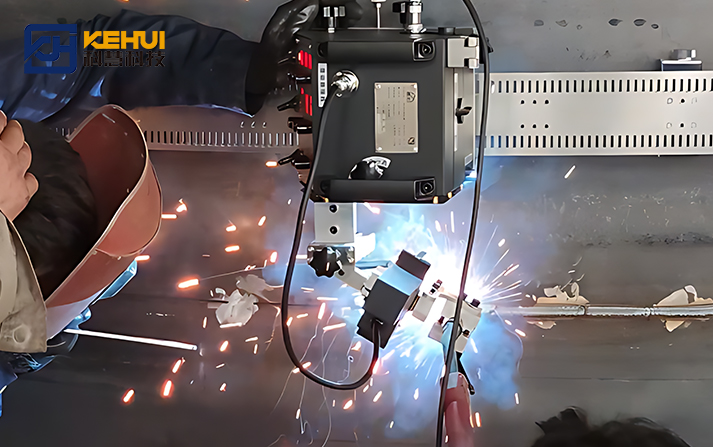
Manual welders can’t weld upside down inside a 6-inch pipe for hours. An orbital welding system doesn’t care. The head rotates around the pipe. Gravity doesn’t affect the arc the same way. The tube orbital welding process is the same at 12 o’clock and 6 o’clock.
We’ve supplied orbital welding system equipment for confined space welding in nuclear reactor vessels. The operator stood outside the vessel. The orbital welding head went inside on a cable. The orbital welding procedures were qualified on mockups, then run in the actual vessel. No human hand could have done the job.
This is where tube orbital welding becomes not just convenient but essential. Some joints simply cannot be welded manually. An orbital welding system makes them possible.
What Orbital Welding Procedures Actually Control
To understand what an orbital welding system is used for, you have to understand what orbital welding procedures control. Here are the key variables that make or break a weld.
Heat input: The orbital welding system manages amperage and travel speed to control how much heat goes into the weld. Too little and the root doesn’t fuse. Too much and you burn through or damage the material properties.
Arc length: The orbital welding system maintains a consistent distance between the tungsten and the workpiece. Manual welders drift. An orbital welding head doesn’t.
Gas coverage: The orbital welding system controls pre-flow, post-flow, and purge timing. For tube orbital welding on reactive materials, this is critical.
Oscillation: The orbital welding system can wiggle the arc side to side to widen the bead. Orbital welding procedures define the oscillation width, frequency, and dwell time at the edges.
Interpass temperature: For multi-pass welds, the orbital welding system monitors and enforces cooling between passes. Orbital welding procedures set the maximum temperature before the next pass can start.
These are the levers that orbital welding procedures pull. The orbital welding system executes them. The result is a weld that’s identical from joint to joint, operator to operator, shift to shift.
When to Use Tube Orbital Welding vs. Manual
Here’s a practical question we get all the time: when should you use tube orbital welding instead of manual TIG?
Use tube orbital welding when:
- You have more than 50 identical joints. The orbital welding system pays for itself in consistency. - The joint is in a hard-to-reach position. Tube orbital welding heads fit where hands don’t. - You need documentation. An orbital welding system records everything. - The material is sensitive. Orbital welding procedures control heat and gas more precisely than a human. - You have multiple operators. An orbital welding system makes them all perform the same.
Use manual TIG when:
- You have one or two joints. Setup time for the orbital welding system isn’t worth it. - The pipe diameter is very large (above 8 inches). Tube orbital welding heads for big pipe are expensive. - The fit-up is terrible. Manual welders can compensate in ways an orbital welding system can’t.
The decision isn’t about which is “better.” It’s about which is right for the job.
What Our Orbital Welding System Has Done
After 31 years, our orbital welding system equipment has been used for:
- Welding stainless steel tubes inside a nuclear reactor containment building. - Repairing copper-nickel cooling lines on a naval vessel during active duty. - Installing pharmaceutical water-for-injection lines in six different countries. - Building heat exchangers for a geothermal power plant in Iceland. - Welding titanium tubes for an aerospace test facility.
Each application required custom orbital welding procedures. Each one was different. Each one worked because the tube orbital welding process was matched to the job, not forced into a one-size-fits-all solution.
How to Develop Orbital Welding Procedures for Your Application
If you’re new to tube orbital welding, developing orbital welding procedures can seem intimidating. It doesn’t have to be.
Start with the material. Look up recommended heat input ranges for your alloy. Set your orbital welding system parameters to the middle of that range.
Weld a test coupon. Cut it. Look at the cross-section. Is the root fully fused? Is there undercut? Adjust parameters accordingly.
Repeat. Document everything. That’s how orbital welding procedures are born – not from theory, but from testing on your actual pipe.
We help customers do this every day. When you buy our orbital welding system, we don’t just ship the machine. We send an engineer to your shop. He works with you to develop orbital welding procedures on your pipe, with your material, for your application. Then he trains your operators to run those orbital welding procedures without help.
That’s what 31 years of tube orbital welding experience looks like.
Ready to Explore What Orbital Welding Can Do for You?
If you’ve been wondering what orbital welding system technology is used for beyond the obvious applications, the answer is: almost anything that involves welding pipe or tube with repeatable quality.
From nuclear reactors to desalination plants, from ship repair to aerospace manufacturing, tube orbital welding solves problems that manual welding can’t touch. And orbital welding procedures make those solutions repeatable and documented.
We’ve been building orbital welding system equipment since 1994. We’ve shipped to over fifty countries. We’ve developed orbital welding procedures for materials and applications that most shops have never seen.
If you have a welding problem that manual methods aren’t solving, call us. Tell us what you’re welding. We’ll tell you whether tube orbital welding with our orbital welding system can help – and if it can, we’ll develop the orbital welding procedures to make it work.
Because after 31 years, we’ve learned that the question “what is orbital welding used for” doesn’t have a single answer. It has as many answers as there are welding problems. And we’ve probably seen most of them.





 Chinese
 English
 OA
OA Current location:
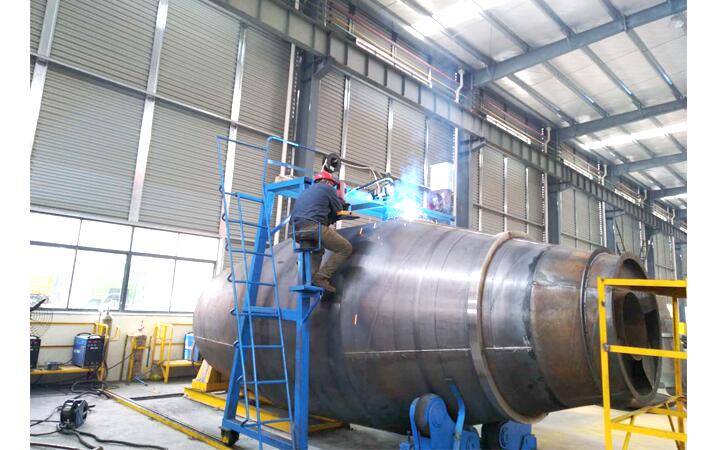 Concrete Mixer Drum Robotic Welding Solutions
 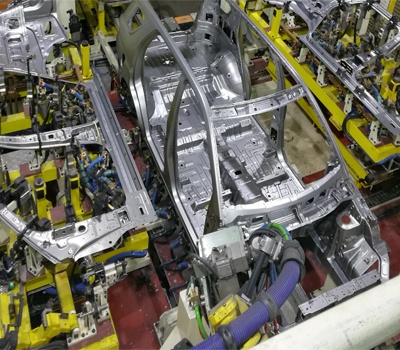 Automobile Body Production Line Welding Fixtures
 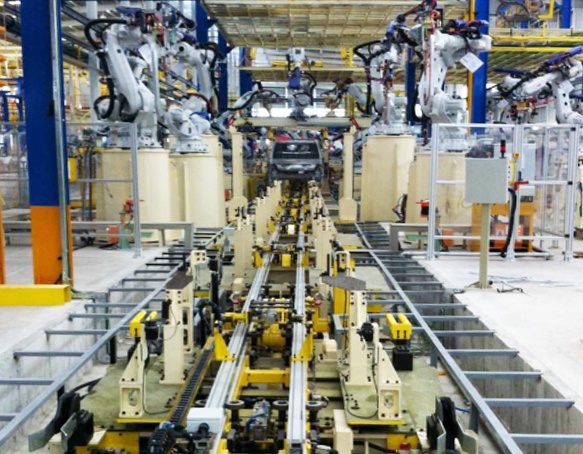 Automotive Body Welding Automated Manufacturing Solutions
 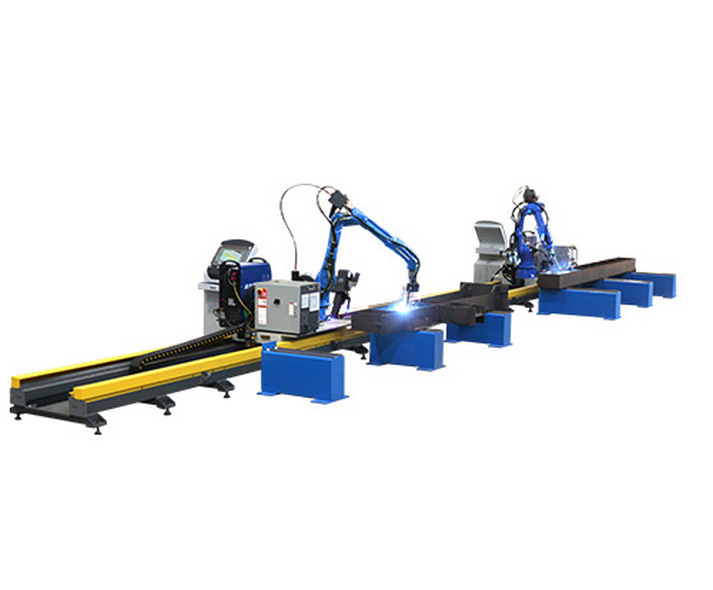 Free-Teaching Programming Welding Robot Cell For I Beam Welding
 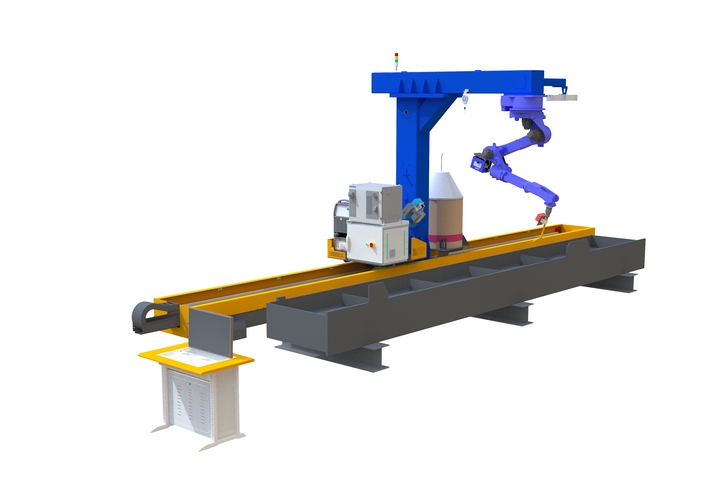 No Programming Required Robotic Welding Systems for H beam Welding Line