+86 15633683072
Orbital welding is often presented as a "set it and forget it" solution. Load the pipe, clamp the head, press start, and walk away. That’s the promise. But in reality, even the best automatic orbital welder can produce defective welds if the fundamentals are overlooked.
The difference between a pass and a reject often comes down to small details—things that don’t show up in the brochure. Here are the most common orbital welding problems we’ve seen across thousands of installations, and how to fix them.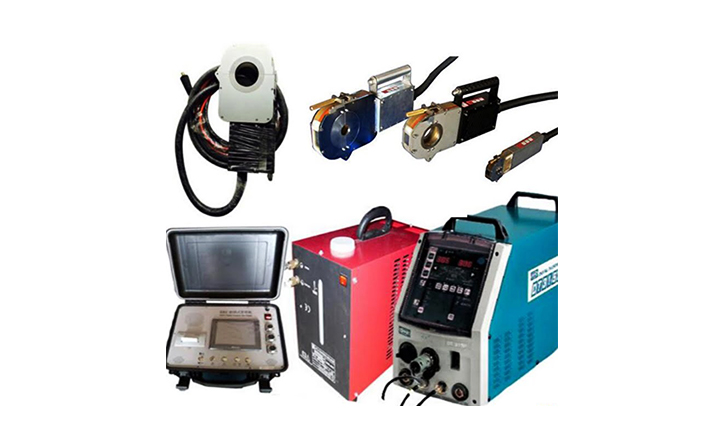
This is the most frequent cause of welding quality issues in orbital welding. Operators assume the pre‑loaded program will work for their material. It usually doesn’t.
The problem: Improper parameter settings—especially insufficient heat input—are a primary cause of fusion defects. Too little heat and the metal doesn’t fuse properly. Too much heat and you get burn‑through or weakened material. Errors in amperage can also cause filler metal to fall out of the weld because the substrate fails to bond properly.
The fix: Calibrate welding parameters (current, voltage, travel speed) according to the specific pipe material and thickness. Run test welds on scrap material first to confirm optimal settings. Never assume that a program that worked on one batch will work on another—material chemistry varies, and your orbital welding equipment settings should reflect that.
Pro tip: Double‑check your weld schedule before every job. Loose connections in the welding circuit can interrupt current flow and cause amperage errors that are easily preventable.
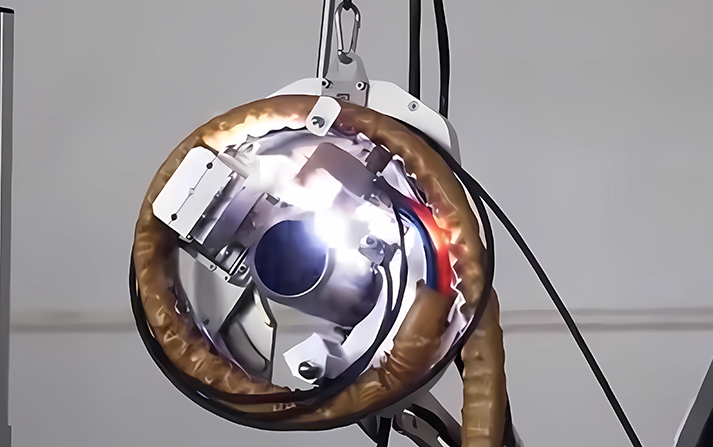
Orbital welding is a precision process. It does not tolerate dirt, oil, or oxide on the pipe surface.
The problem: Contamination of the weld area can completely render a product useless. A grey haze or gritty appearance on the weld surface confirms contamination. Foreign matter on the workpiece, insufficient cleaning, or impurities in the parent material can all introduce defects. Rusty or soiled pipe surfaces are also a common culprit.
The fix: Clean pipe surfaces thoroughly with isopropyl alcohol or specialty cleaning products before welding. Remove all oils, oxides, dirt, and burrs from the edges. Let cleaning solutions fully evaporate before starting the weld to prevent contamination. Also inspect and clean your orbital welding equipment, including filler wire and torch, to prevent contaminants from entering the weld pool.
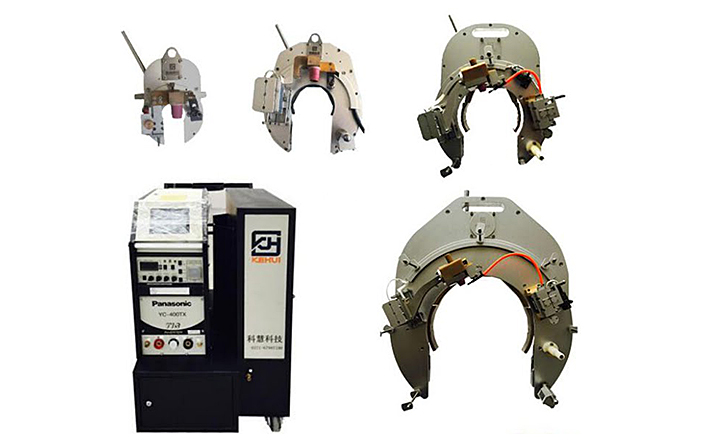
The automatic orbital welder can’t compensate for poor pipe preparation.
The problem: Orbital weld heads are not designed to support long lengths of tubing. If larger‑diameter tubes aren’t tack‑welded in position before welding, thermal expansion during welding can create gaps. Excessive gaps between joints increase the likelihood of incomplete penetration, leading to weak spots. Insufficient purging of tacks can also cause the weld bead to deviate around the tack, resulting in lack of penetration.
The fix: Ensure proper fit‑up before welding. Check that collets are clean and the workpiece sits flush. Use proper fittings, precise measurements, and effective machining methods to achieve tight, uniform gaps. Tack‑weld larger diameter tubes in position to prevent them from shifting during welding.
Pro tip: A well‑prepared fit‑up is the foundation of high‑quality pipe welding. If the gap varies around the circumference, even the best pipe welding automation system will struggle.
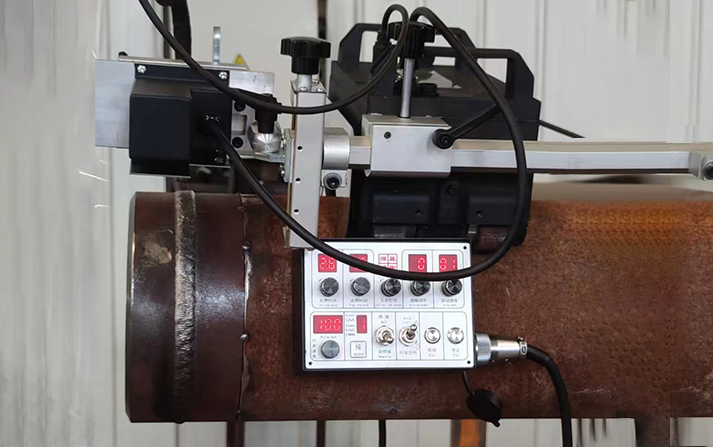
Root oxidation is one of the most common orbital welding problems in stainless steel welding.
The problem: The weld bead turns blue, grey, or black—a clear sign of sugaring or oxidation. This happens when oxygen reaches the root during welding. Inadequate inert gas coverage is a primary cause of weld contamination. In high‑spec applications, internal cleanliness and flow performance are critical, and root oxidation can trigger immediate rejection.
The fix: Monitor oxygen levels before striking the arc. For stainless steel, oxygen should be below 50 ppm. Ensure proper pre‑purge and post‑purge times. Check all seals on the orbital welding equipment to prevent leaks. If you see discoloration on the root, stop and investigate the purge system before continuing.
Pro tip: High‑quality welds require dual shielding on some materials. A simple flowmeter reading isn’t enough—measure oxygen concentration at the vent port.
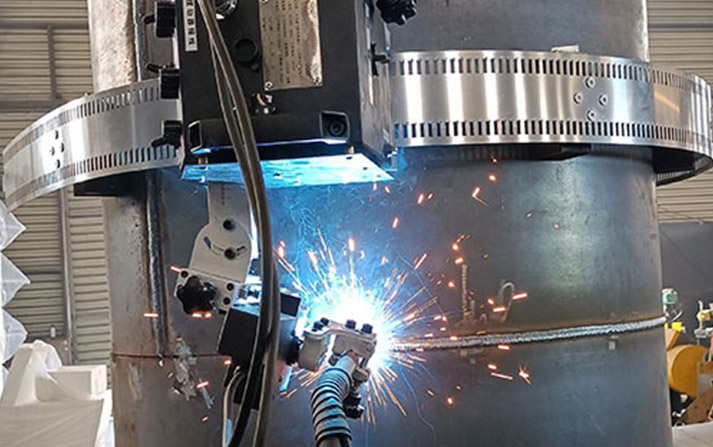
Consumables degrade over time. Many operators change tungsten only when it looks obviously damaged—by then, the damage is already done.
The problem: A worn or contaminated tungsten can cause arc instability, wandering, and fast burn‑up. Grease, dirt, or oxidation on filler wires can introduce impurities. Worn feed liners in wire feed systems are also a common issue. These problems don’t show up immediately—they develop gradually, making them harder to diagnose.
The fix: Implement a regular consumable inspection schedule. Replace tungsten electrodes before they show visible wear, not after. Check filler wires for contamination. Inspect nozzles and collets for damage. For wire feed systems, replace liners at regular intervals.
Pro tip: A damaged or worn electrode tip leads to inconsistent penetration and weaker weld structure. The cost of a tungsten is nothing compared to the cost of a rejected weld.
Drafts, temperature swings, and humidity all affect weld quality.
The problem: Exposure to drafts, humidity, or temperature variations can cause fluctuations in heat input and lead to lack of fusion. Environmental temperature can affect the material prior to welding. Even the most advanced automatic orbital welder can’t compensate for a draft blowing away the shielding gas.
The fix: Maintain a stable environment with controlled temperature, humidity, and airflow. Use wind screens if welding outdoors. For field work, consider preheating the workpiece before welding and shielding the surface from heat sources. Time operations according to the environment—don’t weld in the middle of a windy afternoon if you can weld in the morning.
Pro tip: Orbital welding equipment is precision machinery. Treat the welding environment with the same care you treat the machine itself.
Most orbital welding problems aren’t caused by machine failure—they’re caused by operator error, poor preparation, or neglected maintenance. The difference between a shop that struggles and one that produces high‑quality pipe welding consistently isn’t the equipment. It’s the discipline around setup, parameter verification, and preventive maintenance.
Pipe welding automation doesn’t eliminate the need for skilled operators. It changes their role—from torch manipulator to process supervisor. The best operators know how to troubleshoot orbital welding equipment, read the signs of an impending problem, and stop before the machine produces a defect.
If you’re looking for equipment that helps improve weld consistency, you can also read our guide [Why Choose KEHUI Orbital Welding Machine].
Answer: A black weld bead is typically caused by oxidation—oxygen reaching the weld zone during welding. Check your purge gas flow, ensure all seals on the welding head are intact, and verify that oxygen levels are below 50 ppm before starting. Inadequate inert gas coverage is a common cause.
Answer: Orbital welds fail inspection for several reasons: lack of fusion (often from incorrect parameters or poor fit‑up), contamination (from dirty pipe or equipment), oxidation (from inadequate purge), or tungsten inclusions. Most failures trace back to setup issues that are entirely preventable with proper procedures.
Answer: For most stainless steel and carbon steel applications, 100% argon is standard. For austenitic stainless steels, an argon‑hydrogen blend (95/5 or 98/2) can improve wetting and penetration. For titanium and duplex stainless, use pure argon only—hydrogen can cause embrittlement. The right gas depends on your material and application.
Answer: Consistency comes from discipline: calibrate welding parameters for each material batch, clean pipe surfaces thoroughly, ensure proper fit‑up, monitor purge gas quality, and maintain a regular consumable replacement schedule. The most consistent shops treat every weld like a test weld.
Answer: Yes—the role changes from torch manipulation to process supervision. Operators must understand welding parameters, material behavior, purge gas management, and troubleshooting. The best pipe welding automation systems still require skilled people to set them up, monitor them, and intervene when something goes wrong.
Answer: Yes—stainless steel is one of the most common materials for orbital welding, especially in semiconductor, pharmaceutical, and food processing applications. However, stainless requires careful purge gas management to prevent oxidation. A closed‑head orbital welding equipment system is typically recommended for thin‑wall stainless to ensure complete gas coverage and contamination‑free welds.
Zhengzhou Kehui Technology Co., Ltd
Email: info@zzkehui.com





 Chinese
 English
 OA
OA Current location:
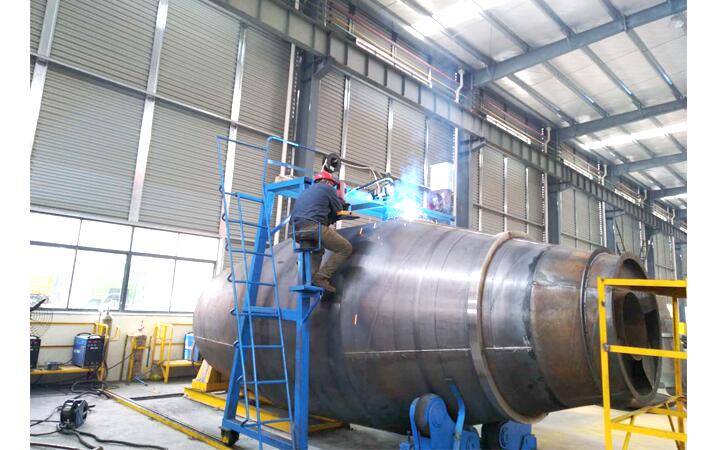 Concrete Mixer Drum Robotic Welding Solutions
 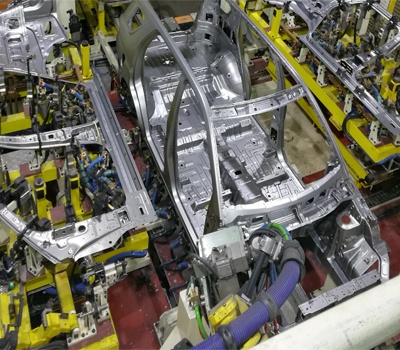 Automobile Body Production Line Welding Fixtures
 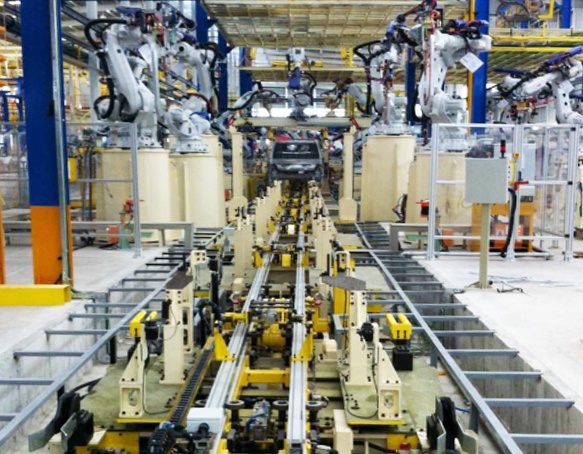 Automotive Body Welding Automated Manufacturing Solutions
 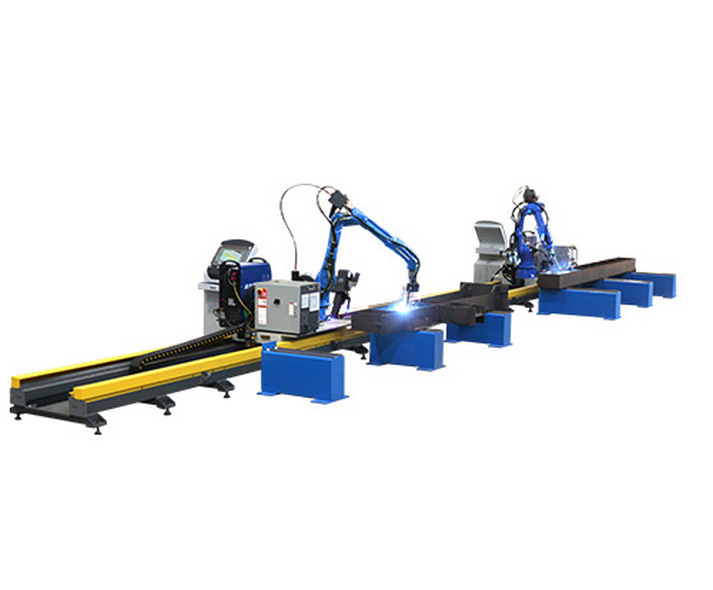 Free-Teaching Programming Welding Robot Cell For I Beam Welding
 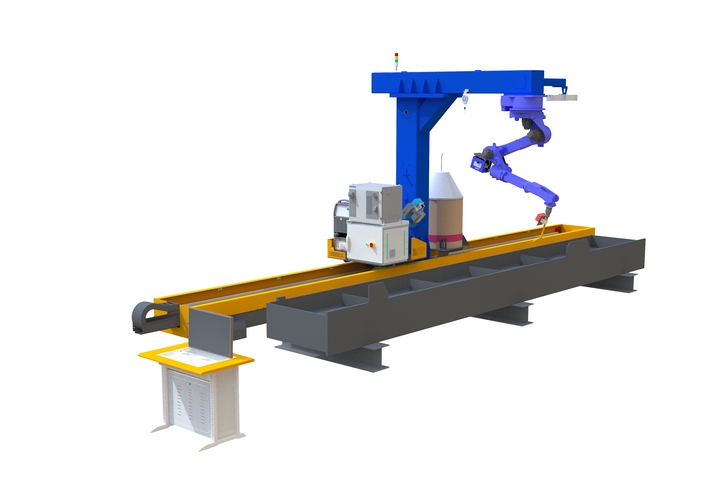 No Programming Required Robotic Welding Systems for H beam Welding Line