+86 15633683072
I remember watching a veteran welder in a Midwestern shop—thirty years of experience, hands steady as a rock. He was welding tubes into a fire-tube boiler, moving from one joint to the next with practiced ease. But when we sectioned his welds, we saw the truth: penetration varied from 40% to 80% around the circumference. On some tubes, he nailed it. On others, he didn't. And he had no way of knowing which was which until hydrotest.
That's the dirty secret of boiler tube welding—even the best welders can't maintain perfect consistency across hundreds of joints. Fatigue, awkward angles, and the physics of the puddle all work against them. And every inconsistent tube to tubesheet joint is a potential failure waiting to happen.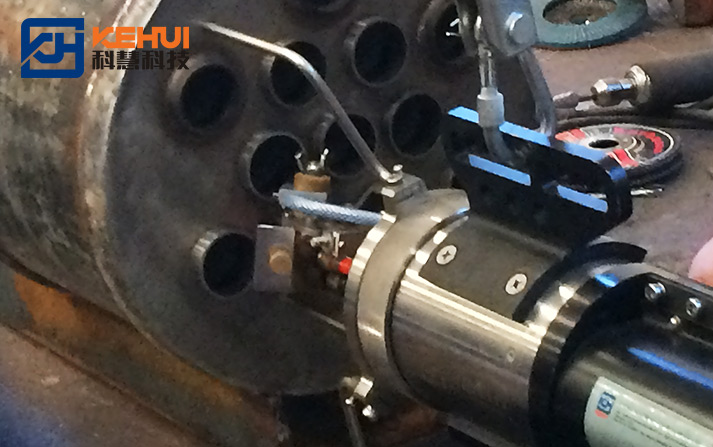
Walk onto any boiler shop floor. A welder is hunched over a tubesheet, torch in hand, weaving around a tube. The bundle is tight—maybe 50mm between centers. They can barely see the root. Their arm is braced against adjacent tubes. They've already done 50 joints today.
Here's what happens that they can't control:
Arc length changes as the torch orbits. At the top of the tube, gravity helps; at the bottom, the puddle sags. Skilled welders compensate, but never perfectly.
Travel speed fluctuates with fatigue. The first weld of the shift is slower, more deliberate. By lunch, speed picks up. By 3 PM, it's a rush.
Gas coverage gets disrupted when the torch angle changes, letting air into the weld zone.
Research confirms that incomplete penetration and porosity are the dominant defects in manual TIG welding boiler tubes. These aren't just cosmetic—they create stress risers that crack under thermal cycling. One fabricator we worked with was scrapping 12% of their boiler tube sheet welding because of these issues. Their welders were certified, experienced, and motivated. But the job was simply too demanding for human consistency.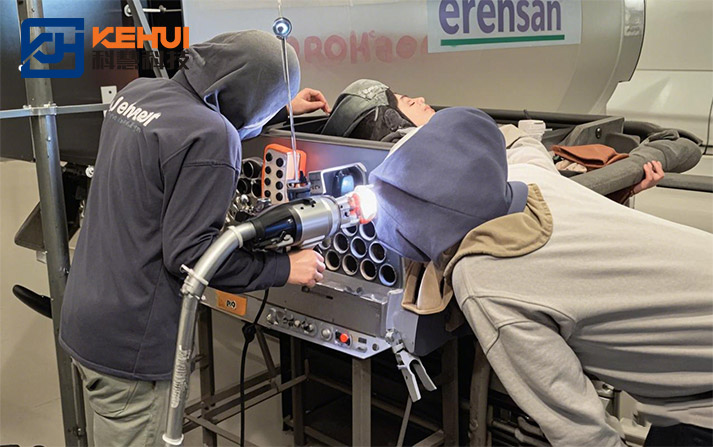
Sticking with manual boiler tube welding isn't just about quality—it's about money.
Rework. Each failed weld means grinding out, re-prepping, and re-welding. That takes time and risks damaging the tubesheet hole. One rework might cost $200 in labor and materials. Multiply that by 100 failures per bundle, and you're bleeding profit.
Scrap. When a weld fails catastrophically, you plug or replace the tube. Each scrapped tube costs $50–$200, plus the labor to install it.
Field failures. A leaking tube to tubesheet joint in a running boiler erodes adjacent tubes, leading to bundle replacement and customer litigation. One petrochemical company spent $2 million on an emergency repair because of a single failed joint.
Labor shortage. Boiler tube welding is physically brutal. Welders burn out, develop repetitive strain injuries, and leave the trade. The pool of skilled manual tube welders is shrinking, and wages are climbing.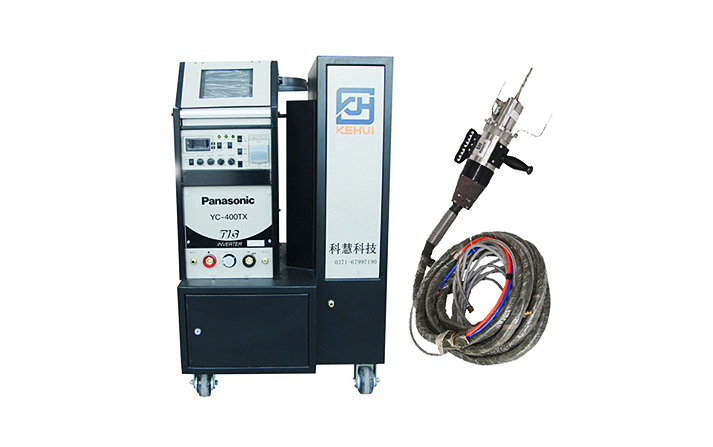
Enter orbital welding for boiler tubes. Instead of a human hand guiding the torch, a mechanized head rotates the arc 360° around a stationary tube. The head centers itself on the tube ID with expanding mandrels, ensuring the tungsten is perfectly concentric. Arc length is electronically controlled. Travel speed is governed by precision gears. Current pulses per a schedule tuned to the material.
The result? Every weld is identical to the last. Penetration variation drops to under 0.2mm. Porosity is virtually eliminated. A tube to tubesheet welding machine doesn't get tired, distracted, or rushed.
We've seen fabricators cut reject rates from 10% to under 1% after switching. One operator can run two or three heads simultaneously, inspecting welds while the machines work. Productivity jumps 40–60% overnight. And the equipment pays for itself in rework savings within months.
Different boiler types benefit in different ways:
Power plant boilers – thin-walled superheater tubes demand precise heat input. Orbital welding for boiler tubes delivers exact parameters every time, avoiding burn-through or lack of fusion.
Feedwater heaters – high pressure and temperature require full-strength tube to tubesheet joints. Automation ensures consistent throat thickness and fusion, critical for thermal fatigue resistance.
Waste heat boilers – massive tubesheets with thousands of tubes. Manual welding would take weeks; a tube to tubesheet welding machine with multiple heads finishes in days, with near-zero defects.
Nuclear steam generators – traceability is non-negotiable. Automated systems log every parameter for every weld, providing proof of quality.
ASME Section I and Section VIII mandate specific requirements for tube-to-tubesheet attachments. Qualifying a procedure under Section IX involves welding mock-ups, sectioning, and macro-etch inspection. Manual procedures are hard to replicate consistently across production. With an automated system, the qualified parameters are stored and executed exactly the same way on every joint. No variation, no surprises.
We build tube to tubesheet welding machine systems. Every week, we get calls from shops frustrated with manual welding. They've tried everything—different filler metals, preheat, post-weld treatments. Nothing fixes the inconsistency.
We invite them to our facility, run samples on their material, and show them the difference. They section the welds and see perfect fusion, consistent penetration, no porosity. Then we design a system for their tube sizes and joint geometries. Within a month, their reject rates tank, their throughput soars, and their welders stop dreading tube bundles.
Boiler tube welding is too critical for guesswork. Every tube to tubesheet joint carries load, resists pressure, and endures thermal cycles. Manual welding can't deliver the consistency required for reliable, long-lasting boilers. Orbital welding for boiler tubes can.
If you're still welding by hand, ask yourself: how much rework are you accepting? How many field failures are you risking? How much productivity are you losing?
The answers will point you to automation.
Consistency. Manual TIG welding boiler tubes varies with the welder's fatigue and technique. Orbital welding for boiler tubes uses a mechanized head that maintains constant arc length, travel speed, and heat input on every weld. The result is uniform penetration and defect-free tube to tubesheet joints, which you can't get with manual methods.
Yes, even for smaller shops. The payback comes from reduced rework and scrap. If you weld more than 500 tubes per year, the savings from cutting reject rates from 10% to 1% will cover the equipment investment within 12–18 months. Plus, you gain the ability to bid on higher-quality jobs that demand automation.
Absolutely. Orbital welding for boiler tubes systems work with carbon steel, stainless, chrome-moly, nickel alloys, and titanium. You program schedules for each material and wall thickness. For dissimilar joints (e.g., stainless to carbon steel), the system controls dilution with precise pulse parameters and filler wire.
Typically one week. The skill shifts from torch manipulation to programming, setup, and monitoring. Most certified welders adapt quickly—they already understand weld metallurgy and procedure. A good equipment supplier provides on-site training to get your team productive fast.
ASME Section I covers power boilers; Section VIII covers pressure vessels. Tube-to-tubesheet attachments must meet specific size and quality criteria. Procedures are qualified per Section IX, including macro-etch examination of mock-ups. An automated system helps you consistently reproduce the qualified procedure, ensuring code compliance on every joint.
Incomplete fusion or penetration at the tube-to-tubesheet interface. This creates a weak spot that cracks under thermal fatigue. Manual boiler tube welding is prone to this because arc length and travel speed vary. Orbital welding for boiler tubes eliminates those variables, giving you full fusion every time.
Zhengzhou Kehui Technology Co., Ltd
Email: info@zzkehui.com





 Chinese
 English
 OA
OA Current location:
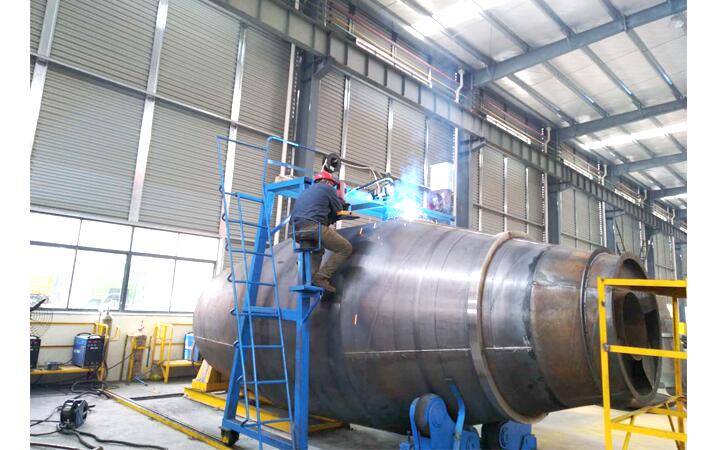 Concrete Mixer Drum Robotic Welding Solutions
 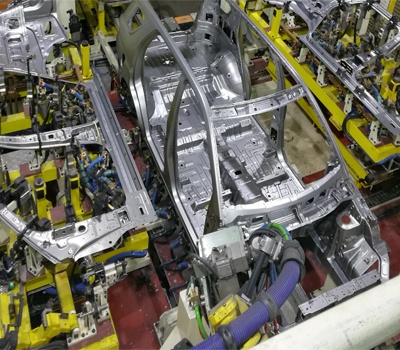 Automobile Body Production Line Welding Fixtures
 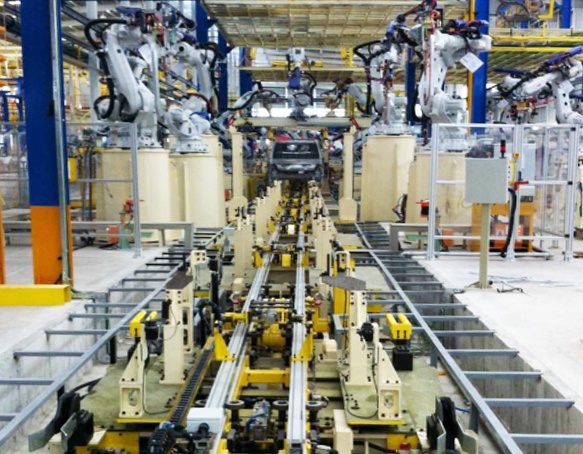 Automotive Body Welding Automated Manufacturing Solutions
 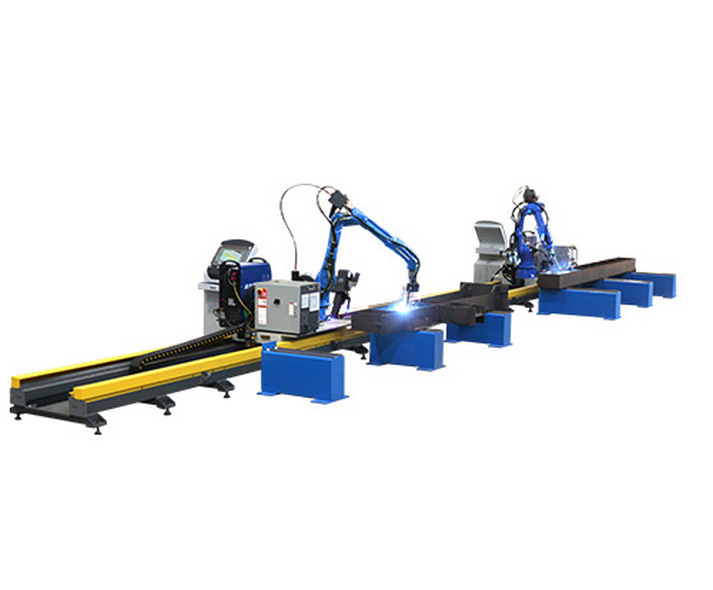 Free-Teaching Programming Welding Robot Cell For I Beam Welding
 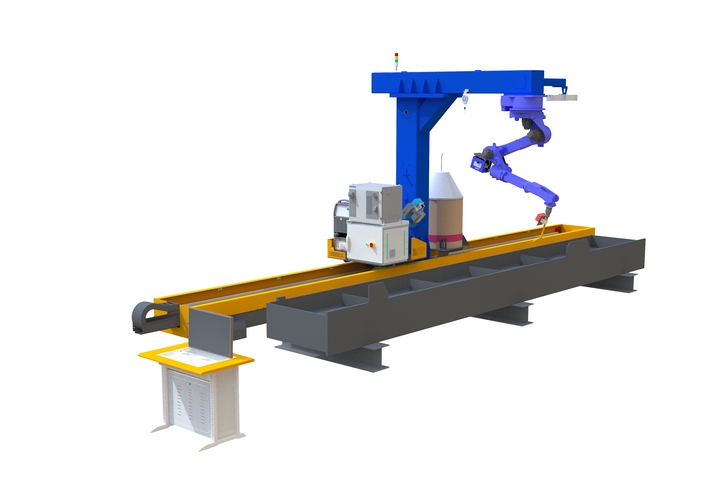 No Programming Required Robotic Welding Systems for H beam Welding Line