Automatic Tube to Tubesheet Welding for Power Plant Equipment
2025-12-22 16:10:59
1. Why Power Plant Equipment Requires Automatic Tube to Tubesheet Welding
In power plant applications, tube to tubesheet joints are exposed to high pressure, elevated temperatures, and continuous thermal cycling. Under such conditions, Automatic Tube to Tubesheet Welding is not just a productivity upgrade but a necessity to ensure long-term operational reliability.
Manual welding often leads to inconsistent penetration and variable weld quality. By contrast, Automatic Tube to Tubesheet Welding provides repeatable weld geometry and controlled heat input, which are critical for boilers, condensers, and heat exchangers used in power generation systems.
2. Orbital Welding Tube to Tubesheet: A Proven Technical Approach
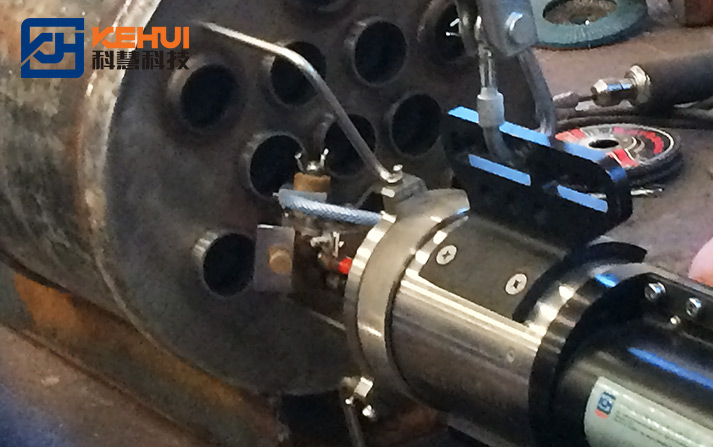
Orbital welding tube to tubesheet technology enables the welding torch to rotate precisely around the tube axis while maintaining constant arc length and travel speed. This approach is particularly suitable for dense tube layouts commonly found in power plant heat exchangers.
Using orbital welding tube to tubesheet methods significantly reduces the risk of lack of fusion and uneven bead formation, especially when welding alloy steel or stainless steel tubes.
3. Tube to Tubesheet Welding Machine Configuration
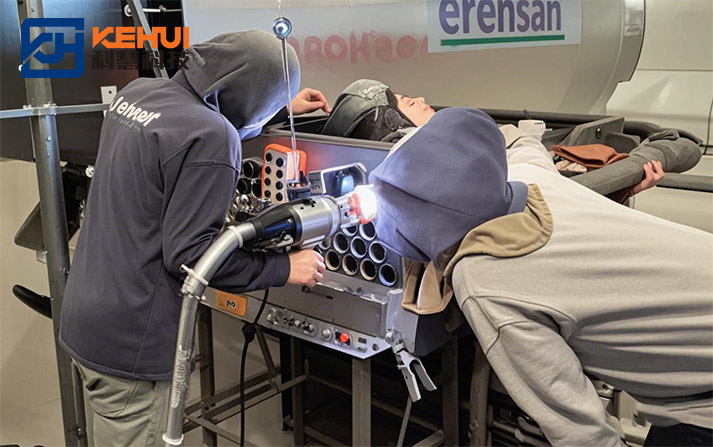
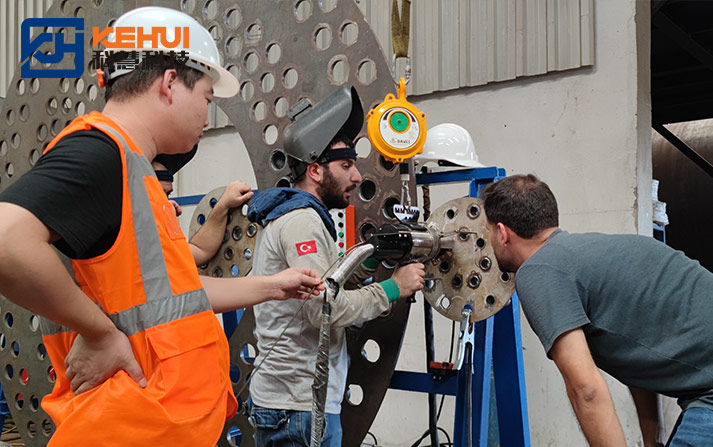
A modern tube to tubesheet welding machine for power plant equipment typically integrates a digital TIG welding power source, precision torch positioning system, and programmable control unit. Welding parameters can be stored and recalled to ensure consistent quality across hundreds or thousands of identical joints.
An orbital welding machine for tube to tubesheet welding is often designed with compact welding heads to access tight tube pitches while maintaining stable arc characteristics.
4. Tube to Tubesheet Orbital Welding Machine in Power Applications
The tube to tubesheet orbital welding machine is widely applied in:
By adopting Automatic Tube to Tubesheet Welding, power equipment manufacturers can achieve higher weld integrity, improved fatigue resistance, and reduced rework rates.





 Chinese
 English
 OA
OA Current location:
 Concrete Mixer Drum Robotic Welding Solutions
 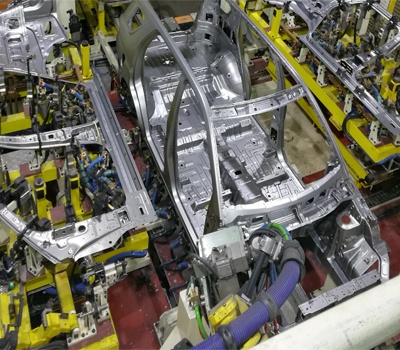 Automobile Body Production Line Welding Fixtures
 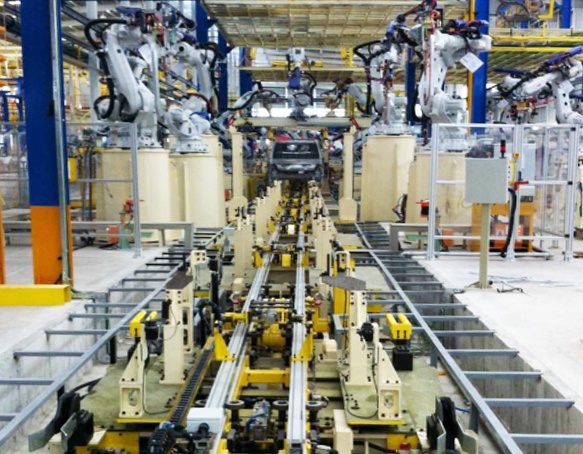 Automotive Body Welding Automated Manufacturing Solutions
 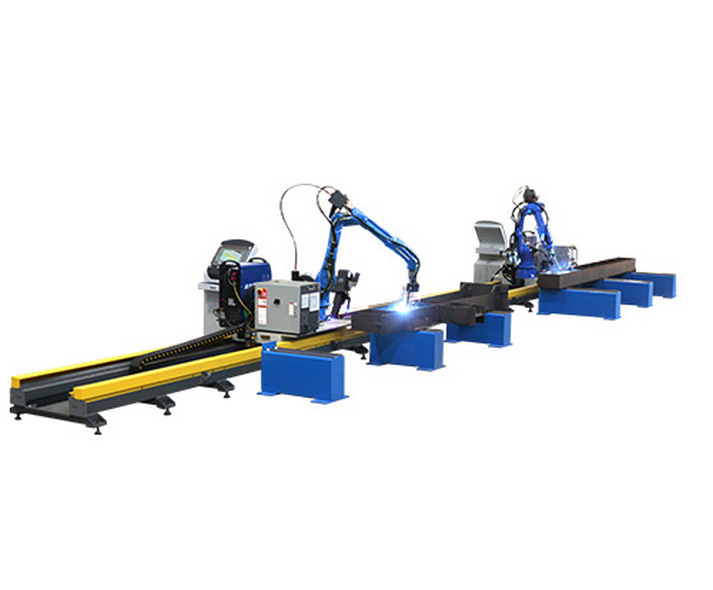 Free-Teaching Programming Welding Robot Cell For I Beam Welding
 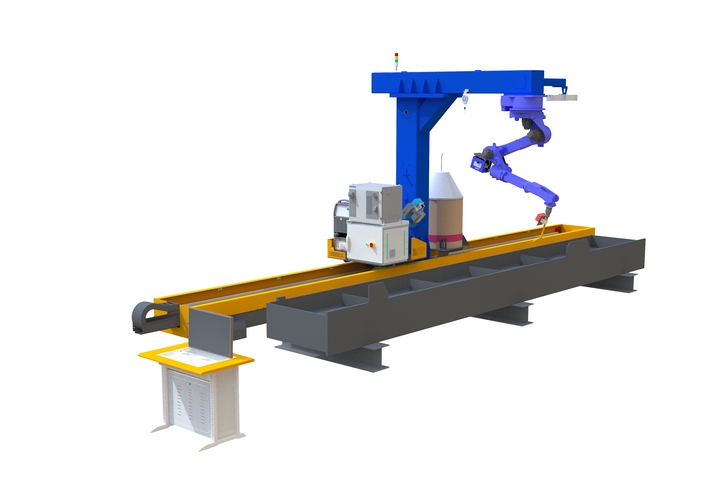 No Programming Required Robotic Welding Systems for H beam Welding Line